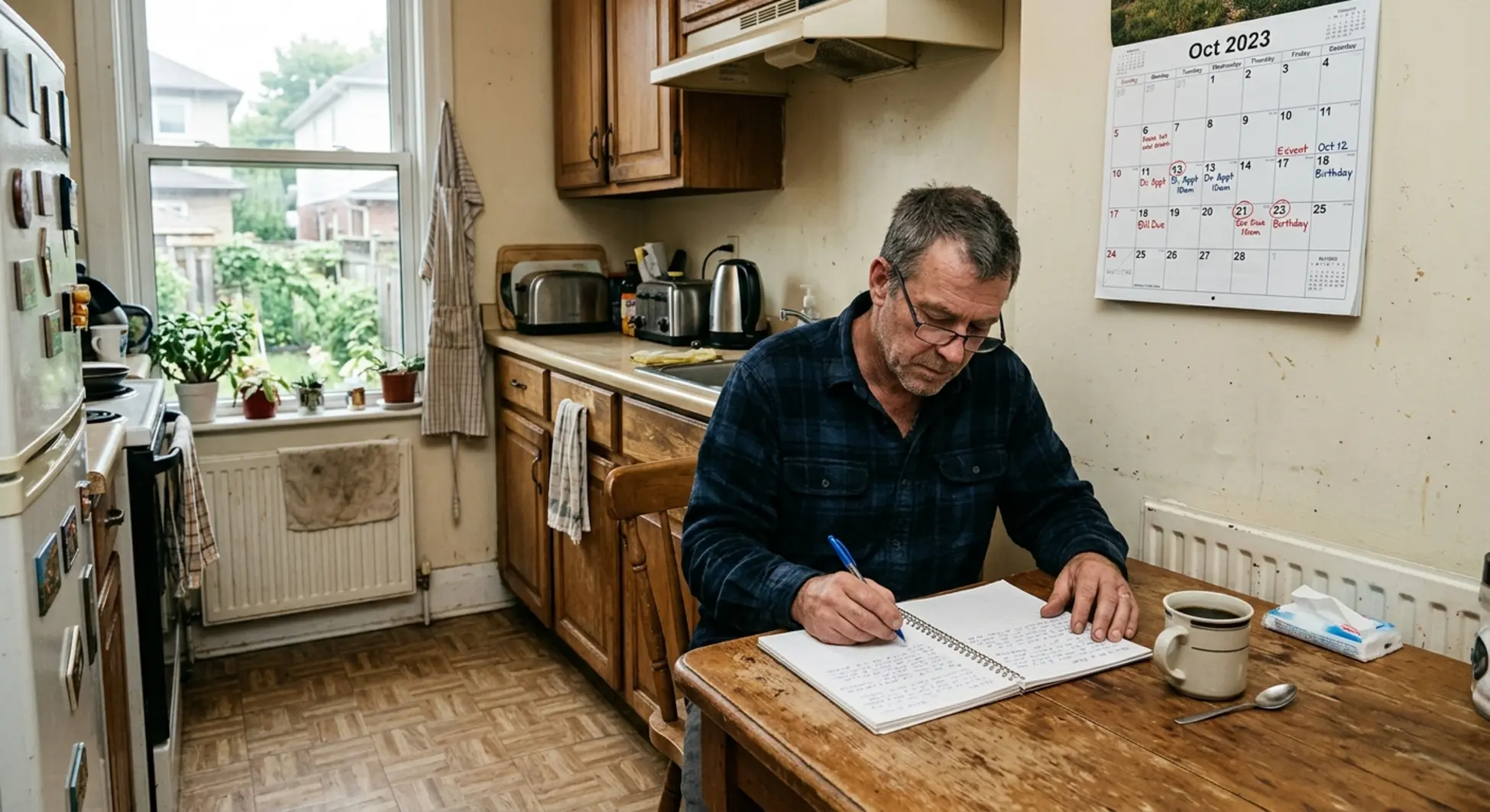
You did the hardest part. Seriously — congratulations. You put down the shovel and stopped digging. After 30, 60, or 90 days in treatment, you’ve built a foundation of tools, insights, and maybe the first real clarity you’ve felt in years. And now you’re standing at the discharge door, feeling something that nobody warned you about: equal parts hopeful and terrified. Because you know — even if you can’t quite say it out loud — that the real test isn’t surviving treatment. It’s surviving Tuesday afternoon when you’re back in the real world, the old neighborhood, the old patterns, with no therapist down the hall and no scheduled group session to anchor you.
That gap — between completing treatment and building an independent life — is where most relapses happen. Not because people aren’t trying. Not because treatment failed. But because structure disappears almost overnight, and the brain in early recovery is not yet equipped to fill that void on its own. This is exactly what sober living exists to bridge. And if you’re researching sober living in San Antonio with drug testing and accountability built in, you’re already asking the right questions.
This guide covers everything you actually need to know: what daily-tested sober living looks like from the inside, how drug testing and accountability work, what it costs, how to vet a home and avoid predatory operators, and what to expect when you walk through the door for the first time. No sales pitch. No vague promises. Just real information so you can make a confident, informed decision — for yourself or for someone you love.
Key Takeaways
- Most relapse happens in the first 3–6 months after treatment, when structure disappears — sober living closes that gap with daily accountability and peer support.
- Structured sober living is not rehab, not a halfway house, and not a lockdown — it’s housing plus accountability, designed for men who are ready to rebuild their lives.
- Daily breathalyzer testing and every two weeks observed urine drug screens are the backbone of accountability in high-quality homes — testing is a safety net, not a punishment.
- San Antonio sober living costs typically range from $700–$1,200 per month for structured, staff-supervised homes — far less than the $5,000–$30,000+ cost of a relapse and re-treatment episode.
- NARR certification, transparent written policies, and experienced staff are the green flags that separate quality homes from predatory operators.
- A stay of 3–6 months — not 30 days — is where real, lasting change happens; recovery is a lifestyle built through consistency, not a program to complete on a schedule.
The Gap Between Treatment and Independent Life: Why Sober Living Matters
Treatment gives you tools. A sober living home gives you the environment to actually use them. That distinction matters more than most people realize when they’re standing at the end of a residential program, discharge paperwork in hand, feeling like they’ve crossed the finish line. Treatment is not the finish line. It’s the starting block. And the stretch between leaving a structured clinical environment and standing on your own two feet in independent life — that stretch is where the race is actually won or lost.
National data consistently shows that individuals leaving treatment without a structured transitional housing plan face significantly higher relapse risk. The research isn’t subtle about it: the first 3–6 months after discharge are the most vulnerable period in early recovery. The reasons are straightforward. Clinical support disappears. Daily scheduling disappears. The built-in peer community disappears. And the triggers — stress, boredom, old relationships, financial pressure — don’t disappear at all. They’re right there waiting.
San Antonio has a robust ecosystem of treatment centers, including inpatient programs, residential facilities, and intensive outpatient programs (IOPs). What’s harder to find is quality structured transitional housing that bridges the gap between clinical care and independent living. That’s the specific problem sober living solves — and why the structure, accountability, and brotherhood it provides aren’t optional extras. They’re the whole point.
It’s Normal to Feel Scared About Sober Living
You’ve just finished treatment, and now you’re facing the real world without a clinical safety net. Fear, doubt, and skepticism about moving into a sober living home are completely normal reactions. Sober living isn’t about removing your freedom — it’s about giving you the structure and peer support you need to rebuild your life while you’re still building the internal resources to sustain it on your own.
A sober living home bridges the gap by providing three things that treatment ends and independent life doesn’t yet offer: accountability (daily testing, curfews, rules with real consequences), peer support (other men in recovery who understand what you’re going through), and daily structure (work requirements, meeting attendance, chores, financial literacy training). Together, these create the scaffolding that lets you rebuild your life without the whole thing collapsing under you.
What Is Sober Living? How It Differs from Rehab, Halfway Houses, and Peer Housing
The term “sober living” gets used loosely, and that looseness causes real confusion for people trying to make an important decision. So let’s be precise. Sober living is housing plus accountability. It is not clinical treatment. There are no doctors, therapists, or medication management services at a sober living home — those are treatment center services. What sober living provides is a structured, substance-free living environment where residents are held accountable through testing, rules, and peer community while they rebuild their lives. To understand what sober living really means versus other housing types, the distinctions matter.
Sober Living vs. Treatment Centers
Treatment centers provide detox, individual therapy, group therapy, psychiatric care, and medical supervision. They are clinical environments staffed by licensed professionals. A typical residential treatment stay runs 30–90 days and is often covered (at least partially) by insurance. Sober living assumes you’ve completed that phase and are ready for the next one. It’s not a step down from treatment — it’s a step forward into a structured version of real life. Treatment is time-limited by design; sober living is flexible, typically running 3–12 months based on where you are in your recovery.
Sober Living vs. Halfway Houses
Halfway houses are often court-ordered, legally defined, and more restrictive in ways that can feel punitive rather than supportive. They may have less resident autonomy, more institutional rules, and less focus on building life skills. Sober living, by contrast, is voluntary and resident-focused. Men in sober living keep their phones, choose their own jobs, select their meetings, and maintain their identity as adults. The rules exist to support recovery — not to replicate incarceration. For a deeper look at the differences between sober living and halfway houses in Texas, the distinction is worth understanding before you choose.
Structured vs. Peer-Run Sober Living
Peer-run homes — like the Oxford House model — rely on resident self-governance. Residents vote each other in, manage the house collectively, and hold each other accountable without paid staff. These homes can work well for men who are further along in recovery with a strong existing support network. But for men in early recovery who need external structure, peer-run models often lack the oversight and testing frequency that prevents relapse from becoming a full-blown episode. Structured homes employ staff, conduct frequent testing, enforce clear rules, and intervene early when a resident is struggling. Research consistently shows that structured environments produce better retention and lower relapse rates in early recovery — particularly in those critical first six months.
What Does NARR Certification Actually Mean?
NARR (National Alliance for Recovery Residences) certification means a home has met established standards for operations, resident rights, and ethical practices. In Texas, the state affiliate is TROHFA (Texas Recovery Oriented Housing Association). NARR certification is voluntary — Texas has no mandatory state licensing for sober living homes — but it functions as a third-party verification that the home is serious about quality and accountability. If a home is NARR-certified or actively pursuing certification, that’s a meaningful green flag worth asking about.
Daily-Tested Accountability: How Drug Testing and Structure Work
This is the part that makes some people nervous — and understandably so. Daily testing, observed urine screens, zero-tolerance policies. It can sound harsh before you understand what it’s actually for. Here’s the honest truth: testing is not surveillance. It’s not punishment. It’s a safety net that catches you before a bad night becomes a bad week, and before a bad week becomes a full relapse. The daily structure that supports long-term recovery at a quality sober living home is built on testing protocols that are consistent, fair, and transparent from day one.
Breathalyzer Testing: Daily Check-Ins That Work
Daily breathalyzer testing is the first line of accountability. It’s quick, non-invasive, and provides immediate results. At Drew’s Sober Living, breathalyzer testing begins on day one — no grace period, no exceptions. In early recovery, alcohol is often the most accessible relapse substance, and daily testing catches use before it escalates. The frequency may adjust as residents demonstrate stability over time, but the breathalyzer remains a cornerstone of the program throughout your stay. Think of it less like a checkpoint and more like a daily commitment made visible.
Drug Screening: Bi-Weekly Urine Tests and Observed Testing
Bi-weekly urine drug screens test for opioids, stimulants, benzodiazepines, methamphetamine, and other substances. At Drew’s, these screens are observed — meaning staff witness the sample collection. Observed testing is the gold standard in accountability because it prevents tampering and ensures the integrity of results. Some residents bristle at this initially. But observed testing isn’t about distrust — it’s about creating a system that actually works, one that protects the whole community and gives every resident’s results real meaning. Results are typically available within 24–48 hours, allowing for quick intervention if needed.
What Happens If You Test Positive or Refuse a Test
Most structured sober living homes, including Drew’s, operate a zero-tolerance policy: one positive test or a refusal to test results in immediate dismissal. This is not arbitrary cruelty. It’s a boundary that protects the entire community — including you. When you know the consequence upfront, there are no surprises, no negotiations, no “just this once.” The clarity of the rule is part of what makes it work. And importantly, that boundary is what makes the home safe for every other resident who is doing the work.
Zero Tolerance Includes Legal Substances
Drew’s zero-tolerance policy covers drugs, alcohol, and banned substances — including Kratom, K2, and CBD. Refusing or failing a test carries the same consequence as a positive result: immediate dismissal. This applies from day one. If you’re currently using any of these substances, be honest about it before you move in — not after.
Wondering If Daily Testing Is Right for You?
If you’re not sure whether this level of structure fits your situation, that’s exactly what a preliminary conversation with Drew’s is for. No pressure — just honest information about how the program works and whether it’s the right fit for where you are in your recovery.
The Daily Structure: What a Day in Sober Living Actually Looks Like
Structure gets a bad reputation because people confuse it with restriction. They’re not the same thing. Restriction takes things away. Structure gives you a framework to build on. When you’re in early recovery, your brain is still recalibrating — dopamine systems are off, decision-making is impaired, and the absence of a schedule creates exactly the kind of idle time that cravings love. You can’t build a new life from your bed at 2:00 PM every afternoon. The daily structure at a quality structured sober living program isn’t oppressive — it’s the opposite of oppressive. It’s the thing that makes the rest of your recovery possible.
Here’s what nobody tells you about structure: after a few weeks, you stop fighting it and start relying on it. The alarm goes off, you know what you’re doing today, you have somewhere to be and something to show for it at the end of the day. That feeling — of being a functional person with a real life — is what you’ve been trying to get back. Structure is how you get there. Not in spite of the rules. Because of them.
At Drew’s Sober Living, residents are up by 10 AM on weekdays unless they’re at a job, in class, or doing volunteer work. That’s not a harsh rule — it’s a minimum baseline that prevents the isolation and stagnation that derail early recovery. The day builds from there: work or productive activity, a 12-step meeting, house chores, and the daily breathalyzer check-in. By the time evening comes, you’ve done something real with your day. That compounds over weeks and months into something that actually looks like a life.
Work and Productivity: Building Financial Stability
After the 30-day probationary period, residents at Drew’s are required to work at least 30 hours per week. During probation, the requirement is 20 hours of productive activity — which can include job searching, volunteering, or coursework. The work requirement isn’t about keeping you busy. It’s about giving you something to build toward. Employment provides structure, purpose, identity, and financial independence — all of which are protective factors in long-term recovery. Many residents report that getting and keeping a job is the single biggest turning point in their sobriety. It gives you something to lose. That matters. Financial literacy training — budgeting, savings, credit rebuilding — is built into the program because a man can’t stay sober if he can’t pay rent. Money is part of recovery, full stop.
12-Step Meetings: The Peer Support Foundation
Daily 12-step meeting attendance is non-negotiable at Drew’s. Seven meetings per week — that’s the requirement. Research from multiple peer-reviewed studies, including Cochrane Reviews and work published in the Journal of Studies on Alcohol and Drugs, consistently shows that active 12-step participation is one of the strongest predictors of long-term sobriety. Meetings connect you to a recovery community, a potential sponsor, and people who have lived through what you’re going through. That connection is not sentimental — it’s functional. It’s other men who will notice when you’re slipping and say something before it becomes a crisis.
Curfews and Probation: The First 30 Days
The first 30 days at Drew’s are the probationary period, and the rules are stricter during this time: 10 PM curfew on weeknights, 11 PM on weekends, no overnight passes, and the 20-hour productivity requirement. This is when you prove you’re serious. It’s when the home gets to know you and you get to know the home. After probation, curfews adjust based on demonstrated responsibility and time in the program. The probationary period isn’t punishment for something you did — it’s the foundation on which everything else is built.
Cost of Sober Living in San Antonio: What You’ll Actually Pay
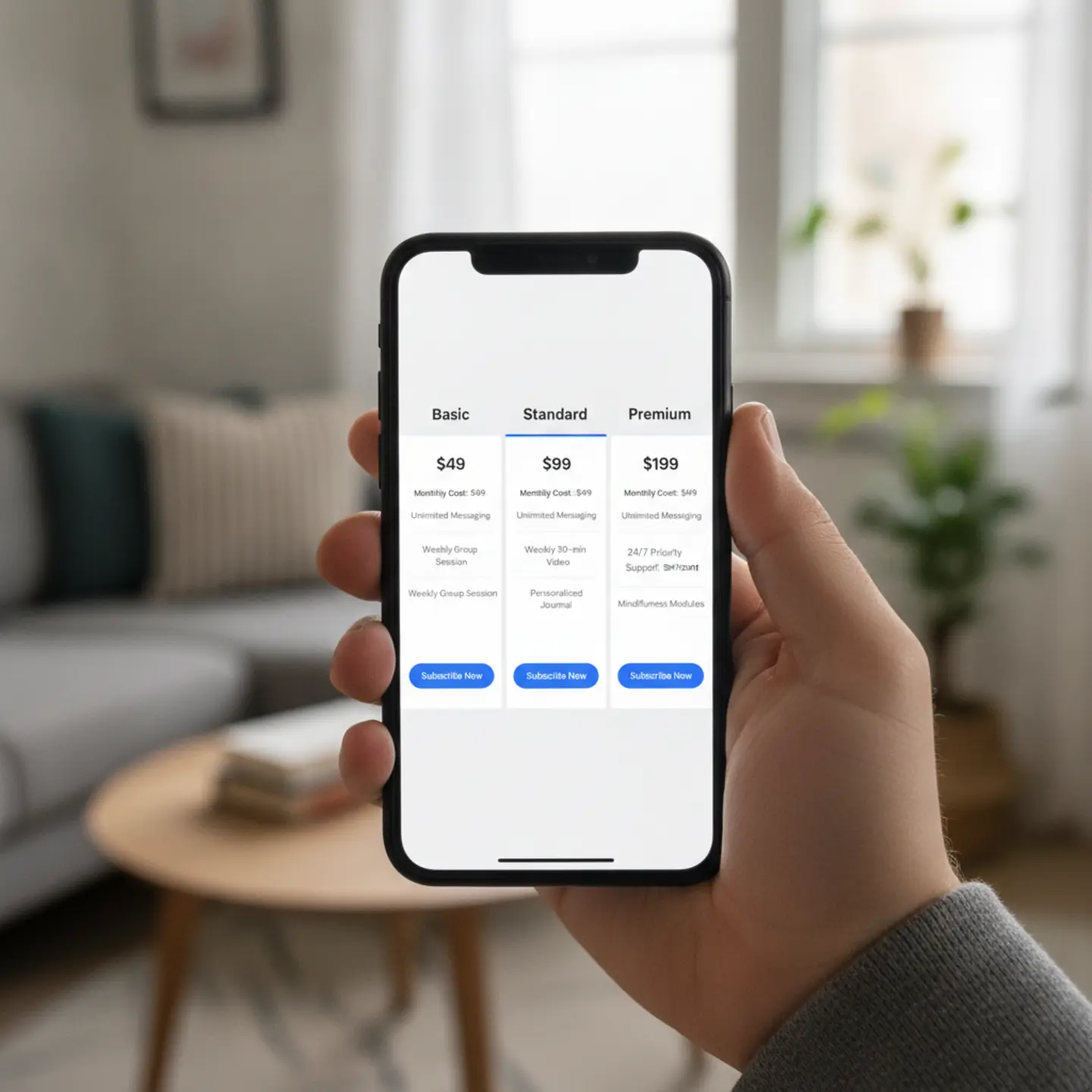
Let’s talk numbers, because vague answers about cost don’t help anyone make a real decision. Sober living in San Antonio ranges widely depending on structure level and amenities. Peer-run homes with minimal oversight typically cost $400–$700 per month. Structured mid-tier homes — like Drew’s — generally run $700–$1,200 per month and include daily testing, staff oversight, and structured programming. Higher-end homes with private rooms, on-site amenities, or integrated case management can run $1,200–$2,000 or more per month. For a detailed breakdown of sober living costs in San Antonio and what’s included, the range reflects real differences in what you’re getting.
Breaking Down the Monthly Cost
Monthly rent at a structured home covers housing, utilities, internet, and basic amenities. Staff salaries, insurance, maintenance, and property costs are built into the fee — which is why structured homes with more oversight cost more than peer-run models. At Drew’s, move-in requires a $100 move-in fee plus two weeks of rent upfront. That’s it — no hidden administrative fees, no surprise charges. Beyond rent, residents should budget for food ($200–$400/month), transportation, phone ($40–$80/month), 12-step literature ($30–$100 one-time), and drug testing fees where applicable. Total monthly cost for a resident — rent plus food, transportation, and incidentals — typically runs $1,200–$1,800 depending on employment and lifestyle.
The Financial Case for Staying 3–6 Months (vs. 30 Days)
A 30-day stay costs $700–$1,200 at a mid-tier structured home. A 6-month stay costs $4,200–$7,200. That sounds like a lot — until you compare it to the cost of relapse. A single re-treatment episode runs $5,000–$30,000 depending on level of care and length of stay. Emergency room visits for overdose or related health crises add thousands more. Lost income during a relapse period can amount to $10,000–$50,000 over time. Legal costs, if relapse leads to legal trouble, add another layer. The math is not close. Sober living is not an expense — it’s an investment that prevents costs that are orders of magnitude larger.
The Real Cost of Relapse Is Much Higher Than Sober Living
A 6-month stay in structured sober living costs roughly $4,200–$7,200. A single relapse and re-treatment episode can cost $5,000–$30,000 — and that’s before factoring in lost income, emergency medical care, legal costs, and the damage to relationships and employment that takes years to repair. Sober living is not the expensive option. Relapse is.
Insurance, Medicaid, and Financial Assistance
Most private insurance does not cover sober living costs because sober living is classified as housing, not clinical treatment. Texas Medicaid does not directly cover sober living fees. Some county mental health authorities — including the Center for Health Care Services in Bexar County — have limited grant funds or sliding-scale options for transitional housing, but eligibility is strict and funding is scarce. Veterans may qualify for VA-supported housing programs. If financial assistance is a concern, contact Drew’s directly to discuss your situation — there may be options worth exploring that aren’t publicly advertised.
Ready to Understand Your Options?
Pricing, availability, and whether sober living is the right next step for you or your loved one — these are exactly the questions we’re set up to answer. Reach out for a straightforward conversation with no obligation and no sales pressure.
Choosing a Sober Living Home: Red Flags and Green Flags
Not all sober living homes are created equal. San Antonio, like any large market, has a mix of quality operators and predatory ones. The absence of mandatory state licensing for sober living homes in Texas means anyone can hang a sign and start charging rent. That makes vetting critical — not just for quality of life, but for your recovery. Knowing what to look for in a quality sober living home in San Antonio is the difference between a program that supports your recovery and one that exploits your vulnerability.
Red Flags That Signal a Low-Quality or Predatory Home
Vague policies, pressure to commit quickly, hidden fees, poor living conditions, lack of verifiable credentials, or operators who avoid answering detailed questions about testing and rules are all warning signs. Patient brokering — where an operator receives kickbacks for referrals — is illegal and a serious red flag. Trust your gut. If something feels off when you’re asking basic questions, it probably is.
Questions to Ask Before Moving In
Before you commit to any sober living home, ask these questions directly and evaluate the answers carefully. Transparent, specific responses indicate a quality operator. Vague, evasive, or pressured responses indicate the opposite.
Your Sober Living Vetting Checklist
- “What is your NARR certification status?” — Certification indicates adherence to established quality and ethical standards.
- “How often are residents tested, and is it observed?” — Frequency and method matter; observed testing is the more rigorous standard.
- “What happens if someone tests positive or refuses a test?” — Clear, upfront consequences protect everyone in the house.
- “What is the daily structure? What are expectations for work, meetings, and chores?” — Structure is the point; a home that can’t answer this clearly doesn’t have it.
- “Can I speak with a current resident or recent alumnus?” — Real feedback from people who’ve lived there is invaluable.
- “What is the full cost breakdown, and what is included?” — Transparency about money prevents surprises and signals integrity.
- “What is your policy on CBD, Kratom, and other legal substances?” — Zero-tolerance homes are clearer about this than homes with inconsistent enforcement.
Red Flags: Signs of a Predatory or Low-Quality Home
Specific red flags to watch for: vague or evasive answers about policies, testing, or costs; high staff turnover or unprofessional staff behavior; poor living conditions or lack of basic maintenance; pressure to move in quickly without adequate time to ask questions; guaranteed outcomes or promises of “cures” (no legitimate recovery program makes these claims); aggressive unsolicited marketing; lack of verifiable credentials, NARR affiliation, or online reviews; and any indication of patient brokering, where the operator receives referral fees rather than providing genuine housing and support.
Green Flags: Signs of a Quality Home
Green flags look like this: NARR certification or a clear path toward it; detailed written policies on every aspect of the program; experienced staff with professional credentials and personal recovery backgrounds; willingness to answer detailed questions without hesitation; verifiable reviews and testimonials from residents and families; clear communication protocols with treatment centers and referral partners; and a genuine focus on resident well-being and long-term recovery — not just filling beds. For families doing this research, the family resources at Drew’s offer a clear picture of what a quality program looks like from the outside.
Sober Living for Court-Ordered Residents: What You Need to Know
Court-ordered sober living is a legitimate alternative to incarceration or more restrictive probation conditions, and it’s more common than many people realize. If you’re being referred by a court, a probation officer, or a parole board, sober living can satisfy the housing and accountability requirements while giving you a real chance at rebuilding your life rather than just serving time. Drew’s program works with court-referred residents and understands the specific documentation and reporting requirements that come with those placements.
Texas does not have a mandatory state licensing framework for sober living homes, which means the specific requirements for court-referred residents are typically set by the referring court, probation officer, or parole board — not by the state. That means you need to confirm that the sober living home you’re considering is willing and able to meet those specific requirements before you move in.
Documentation and Reporting Requirements
For court-referred residents, documentation typically includes proof of residency (a letter from the home confirming your address and move-in date), signed and dated drug test results submitted on the schedule required by the court or probation officer, attendance logs for 12-step meetings and work, and periodic progress reports documenting compliance with house rules and program requirements. Quality sober living homes that work with court-referred residents have systems in place for this — they know what’s needed and they provide it accurately and on time.
Compliance and Consequences
Violating house rules or failing a drug test while under court supervision can trigger a report to the court, which may respond with increased supervision, additional conditions, or re-incarceration. The home’s job is to provide accurate, timely reporting — not to advocate for or against you with the court. Compliance is entirely the resident’s responsibility. The good news is that the same accountability structure that makes sober living effective in general — daily testing, clear rules, real consequences — also makes it a credible and verifiable option for courts and probation officers who need to know their requirements are being met.
The Role of 12-Step Meetings and Peer Accountability in Sober Living
12-step participation is not optional at Drew’s Sober Living, and it’s not optional for a reason. The research on this is about as consistent as addiction research gets: active participation in AA or NA — attending meetings regularly, finding a sponsor, working the steps — is one of the strongest predictors of long-term sobriety. Cochrane Reviews, studies in the Journal of Studies on Alcohol and Drugs, and decades of clinical observation all point in the same direction. The peer support and accountability that come from active 12-step engagement are not replaceable by willpower alone. 12-step participation and peer accountability in recovery work together in ways that individual effort simply cannot replicate.
Brotherhood in sober living is not about group hugs and trust falls. It’s about the guy across the hall noticing that you haven’t been yourself for three days and saying something. It’s about helping the new guy find a meeting when he doesn’t know the city yet. It’s about someone who’s been where you are looking you in the eye and telling you the truth — not what you want to hear, but what you need to hear. That’s what peer accountability actually looks like. And it’s more powerful than any rule or consequence.
Finding a Sponsor and Working the Steps
At Drew’s, residents are required to find a sponsor within the first 30 days of their probationary period. A sponsor is someone with solid sobriety who guides you through the 12 steps — not a therapist, not a friend, but someone who has done the work and can walk you through it. Working the steps is not optional and not symbolic. It’s the core of 12-step recovery, and it provides a structured process for the kind of honest self-examination that makes lasting change possible. Most sober living homes that require 12-step participation also require residents to show proof of meeting attendance — sign-in sheets, sponsor contact information, or step-work documentation.
How Peer Accountability Prevents Relapse
Living with other men in recovery means you are never isolated with your thoughts and cravings. Isolation is one of the most reliable predictors of relapse — and sober living structurally prevents it. Peers notice behavioral changes, mood shifts, withdrawal from common areas, and the subtle signs of someone who is struggling before they’ve made a decision to use. Direct feedback from someone who has been exactly where you are is often more powerful than any clinical intervention. The brotherhood at Drew’s is functional — it’s built on showing up for each other, every day, in the small and large ways that make recovery sustainable.
Transitioning from Treatment to Sober Living: What to Expect
The transition from a treatment center to a sober living home is one of the most important moments in early recovery — and one of the most underplanned. The best transitions are coordinated: your treatment center communicates with the sober living home before your discharge date, a discharge summary is prepared and shared, and you arrive knowing what to expect rather than figuring it out as you go. Drew’s accepts applications during the final weeks of treatment and works directly with clinical teams to coordinate the handoff. The admissions process at Drew’s is designed to make this transition as smooth as possible.
Before You Move In: Coordination with Your Treatment Team
Notify your treatment center of your sober living placement as early as possible — ideally two to four weeks before your discharge date. Request a discharge summary that includes your medications, medical history, and clinical recommendations. Confirm that the sober living home has received your information and is prepared for your arrival. If you’re on medication-assisted treatment (MAT), confirm the home’s policy on MAT before you move in — policies vary, and this is not a conversation to have on your first day. The application process at Drew’s includes a preliminary interview that covers these specifics so there are no surprises.
Your First Week: Orientation and Probation
Your first day in sober living includes a tour of the house, a review of all house rules, an explanation of the testing protocol, and introduction to your housemates. You’ll be assigned a house chore, given your curfew schedule, and told what’s expected of you during the 30-day probationary period. The first week is often disorienting — not because the rules are harsh, but because you’re adjusting to a new environment, new people, and a new rhythm. That adjustment is normal. Most residents report that by the end of the first week, the structure starts to feel less like constraint and more like ground under their feet.
The Emotional Shift: From Clinically Supported to Peer-Supported
Treatment provides therapy, medical care, and professional support. Sober living provides structure and peer accountability. That shift can initially feel like a loss — like the safety net has been pulled away. It hasn’t. It’s changed shape. Peer support is often more powerful than clinical support precisely because it comes from people who have lived what you’re living. The men in your house are not your therapists, but they are your community. And community — real, functional, accountable community — is what sustains recovery when the clinical chapter ends.
In the Final Weeks of Treatment and Thinking About What’s Next?
A sober living home can be the bridge that makes the difference between completing treatment and actually staying sober in the real world. Get in touch to discuss your specific situation, timeline, and whether Drew’s is the right fit for where you are right now.
Top Sober Living Homes in San Antonio: Compared and Reviewed
San Antonio’s sober living market includes peer-run homes, structured mid-tier homes, and higher-end options with additional amenities. The right choice depends on where you are in recovery, what level of structure you need, and what you can realistically afford. Here’s an honest overview of what the market looks like and where Drew’s Sober Living fits within it.
Drew’s Sober Living: Structured Accountability Across Three Houses
Drew’s Sober Living operates three men’s recovery residences across the San Antonio metro area and New Braunfels, with 27 total beds. Each house runs the identical program — same rules, same testing protocols, same expectations — so the experience is consistent regardless of which location you’re placed in.
Chittim House — North San Antonio (10 beds)
Located in a quiet, peaceful neighborhood in North San Antonio. Chittim House is well-suited for men who benefit from a calmer residential environment while maintaining access to the city’s employment opportunities and 12-step community. Ten beds means a close-knit group where accountability is personal and peer support is immediate. Learn more about Chittim House.
Evergreen House — Central San Antonio (8 beds)
Centrally located in San Antonio, Evergreen House offers proximity to the city center, which makes it a strong fit for men focused on employment access and building their recovery network in the heart of the city. Eight residents means a tight community where everyone knows everyone. Learn more about Evergreen House.
Chapel Bend — New Braunfels (9 beds)
Located in New Braunfels, one of the fastest-growing cities in Texas, Chapel Bend offers a smaller-city feel and a slower pace that some men find genuinely helpful in early recovery. Still close enough to San Antonio for employment opportunities, but removed from some of the urban triggers that can complicate early sobriety. Learn more about Chapel Bend.
Across all three houses, the program is the same: daily breathalyzer testing beginning on day one, every two weeks observed urine drug screens, a strongly encouraged 30 hour work week after probation, daily 12-step meeting attendance, financial literacy training, assigned house chores, and a 30-day probationary period with a 10 PM weeknight curfew and no overnight passes. Move-in requires a $100 move-in fee plus two weeks of rent upfront. Monthly rent falls in the $700–$1,200 range — specific pricing is available on inquiry. Drew’s coordinates directly with treatment centers and accepts applications during the final weeks of inpatient or residential treatment.
Other Structured Homes in San Antonio: General Market Overview
The broader San Antonio market includes peer-run homes at the lower end of the cost spectrum ($400–$700/month), structured mid-tier homes like Drew’s ($700–$1,200/month), and higher-end homes with private rooms or integrated case management ($1,200–$2,000+/month). Peer-run homes offer less oversight and less frequent testing, which makes them a better fit for men further along in recovery who have a strong existing support network. Higher-end homes may include additional services but don’t necessarily produce better outcomes — the research supports structure and accountability more than amenities. When evaluating any provider, apply the same vetting questions outlined earlier: NARR status, testing protocol, staff experience, and resident feedback. For a broader look at supervised versus independent living options in San Antonio, the comparison is worth understanding before you decide.
Frequently Asked Questions About Sober Living in San Antonio
What happens if I fail a drug test at a sober living home?
At most structured sober living homes, including Drew’s, a positive drug test or a refusal to test results in immediate dismissal from the program. This is not arbitrary — it’s a boundary that protects every other resident in the house and the integrity of the recovery environment. The consequence is communicated clearly before you move in, so there are no surprises. If you’re struggling with cravings or feel like you’re close to using, the right move is to talk to a staff member or your sponsor before it becomes a test result.
How often will I be drug tested in sober living?
In early recovery, expect frequent testing — at Drew’s, that means daily breathalyzer check-ins beginning on day one, plus every two weeks urine drug screens throughout your stay. That works out to more than 14 breathalyzer tests per week in the early weeks, with urine screens twice a month. As you demonstrate stability over time, the frequency of some testing may adjust, but testing remains a cornerstone of accountability throughout your stay. The goal is not to catch you — it’s to keep you safe and give your results real meaning.
Is drug testing observed in sober living?
At Drew’s, urine drug screens are observed — meaning a staff member witnesses the sample collection. This is considered the gold standard in accountability because it prevents tampering and ensures the integrity of results. Not all sober living homes conduct observed testing; some rely on unobserved collection or primarily use breathalyzers. When vetting a home, ask specifically whether testing is observed — the answer tells you a lot about how seriously the program takes accountability.
Can I use CBD oil, Kratom, or other legal substances if I’m in sober living?
No — at Drew’s, the zero-tolerance policy covers all mood-altering substances, including CBD oil, Kratom, and K2, even though these substances are legal. These substances can interfere with recovery, may trigger drug tests, and create ambiguity in an environment that depends on clarity. The policy is the same for everyone, and it applies from day one. Always clarify a home’s specific policy on legal substances before you move in — and if a home is vague or inconsistent on this point, that’s a red flag about their overall standards.
Do I have to attend 12-step meetings if I live in sober living?
Yes — at Drew’s, daily 12-step meeting attendance (AA or NA) is a non-negotiable program requirement, seven days a week. This is not a suggestion or a preference; it’s a core part of the program. The requirement exists because research consistently shows that active 12-step participation is one of the strongest predictors of long-term sobriety, and because the peer connection that comes from regular meeting attendance is something the house alone cannot replicate. You’ll also be required to find a sponsor within your first 30 days and begin working the steps.
What’s the difference between a sober living home and a halfway house?
Halfway houses are often court-ordered, legally defined, and more institutionally structured — residents may have less autonomy and fewer choices about their daily lives. Sober living homes are voluntary, resident-focused, and designed to support men who are ready to rebuild their lives with structure and accountability rather than under court mandate. Treatment centers provide clinical services like therapy and medical supervision; sober living homes provide none of that — they provide housing, peer accountability, and daily structure. Understanding these distinctions helps you choose the right environment for where you actually are in recovery. For a full comparison, the Drew’s FAQ page covers the most common questions in detail.
Most men who come to Drew’s arrive the same way: cautious, a little skeptical, and carrying the weight of everything they’re trying to leave behind. The first week is the hardest. The rules feel foreign, the house feels unfamiliar, and the work of early recovery feels relentless. But something shifts around week three or four. The structure stops feeling like a cage and starts feeling like solid ground. The breathalyzer in the morning becomes a ritual, not an imposition. The meeting at night becomes the best part of the day. The guy in the next room becomes someone you’d actually call if things got hard.
That’s what sober living is supposed to do. Not fix you — you’re not broken. Not complete your recovery — that’s a lifetime of daily decisions. But give you the scaffolding to rebuild, the brotherhood to lean on, and the structure to practice being the person you’re trying to become. Three to twelve months. Not thirty days. Real change takes longer than insurance covers, and it’s worth every week.
You did the hardest part. Now let’s build something that lasts.
You’ve Got Questions — We’ve Got Straight Answers
Whether you’re considering sober living for yourself or for someone you love, the conversation doesn’t have to be complicated. Reach out to Drew’s for a confidential, no-pressure discussion about how the program works, what’s available, and whether it’s the right fit for your situation. No judgment. No sales pitch. Just real information from people who’ve been there.
Drew’s Sober Living · Men’s Recovery Residences in San Antonio & New Braunfels, TX