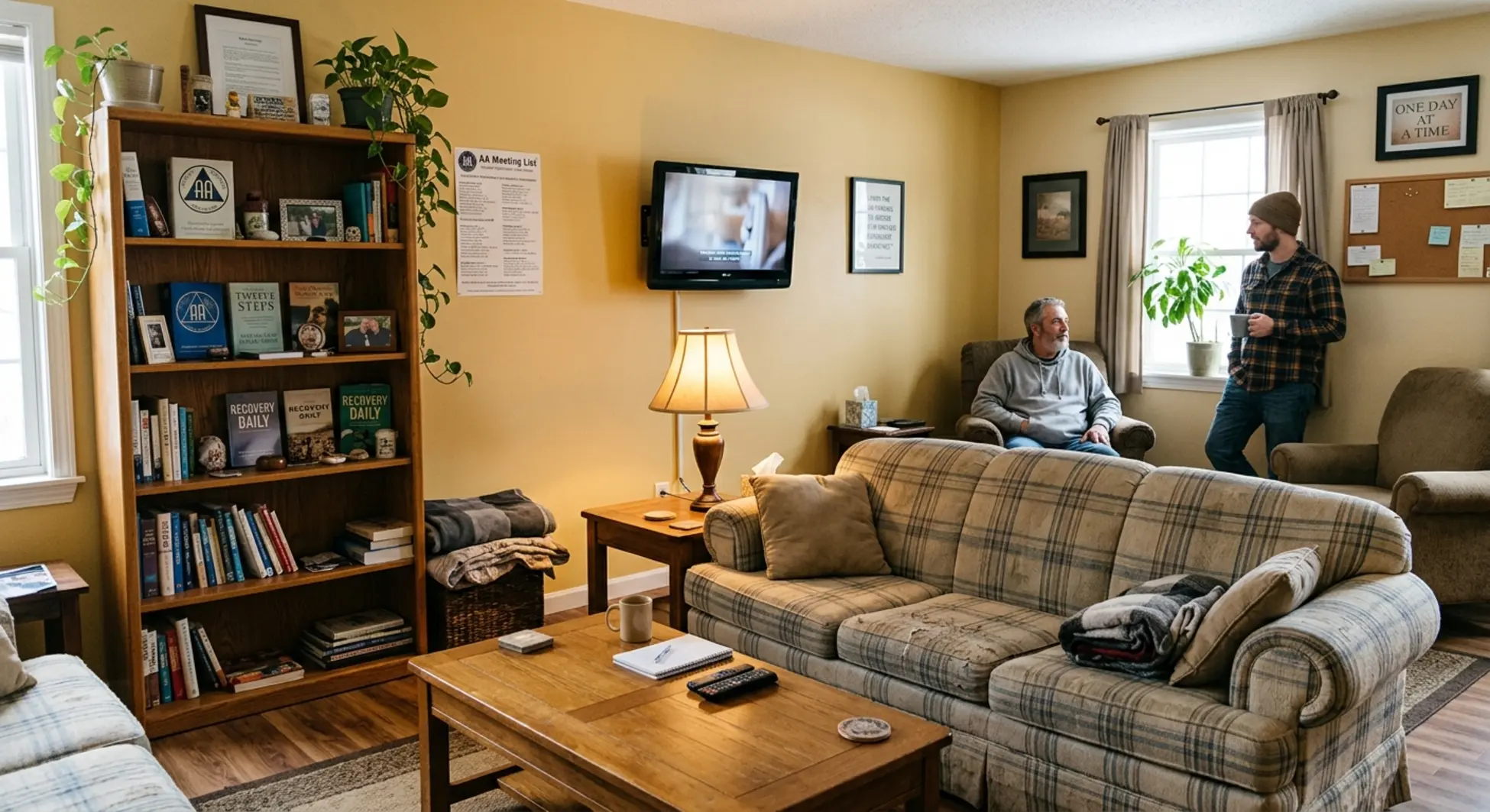
His last day of inpatient treatment. Thirty days sober. Bags packed by the door. The counselor shook his hand and said, “You’ve got the tools now.” And standing there, he felt something he hadn’t expected — not relief, not confidence, but a cold, quiet terror. Because the question wasn’t whether he wanted to stay sober. He did. Desperately. The question was: where does he go right now, tonight, and what’s actually going to keep him sober when nobody’s watching? That question — the one that hits hardest in the parking lot of a treatment center — is exactly what this post is about.
If you’re weighing supervised sober living against going straight to independent living in San Antonio, you’re not being indecisive. You’re being smart. These are genuinely different paths with genuinely different outcomes, and the research is clear enough that the choice matters more than most people realize. This post walks through both options honestly — costs, structure, risks, and the data on what actually happens to men who choose each path in early recovery.
No scare tactics. No judgment. Just a straight look at what the evidence shows, what each path actually costs, and how to figure out which one fits where you are right now. Whether you’re the man making this decision or a family member trying to help someone you love, you’ll have a clearer picture by the end of this.
Key Takeaways
- Between 40–60% of men relapse within the first year after treatment, with the highest risk concentrated in the first 90 days — this is the window both supervised and independent living are designed to address.
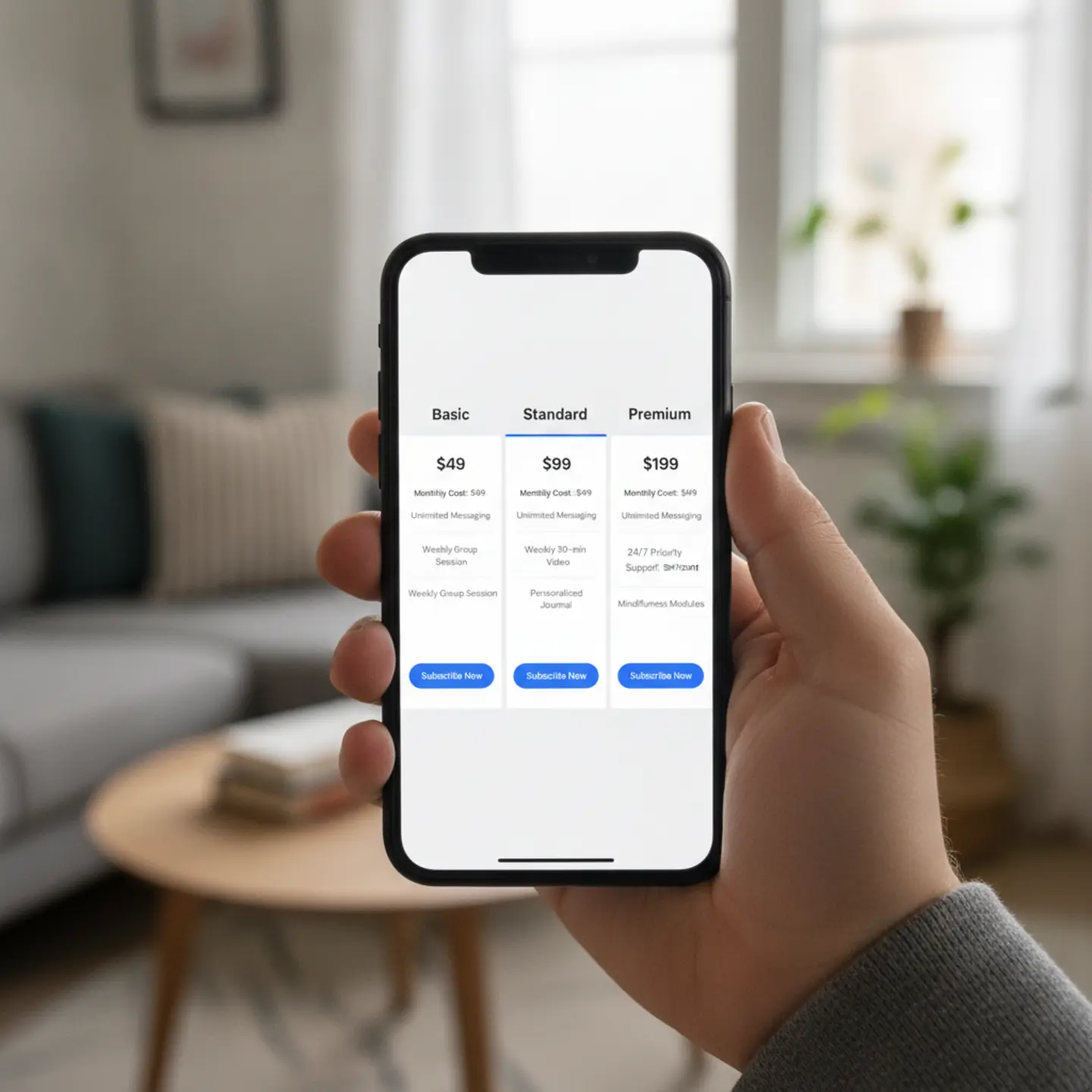
- Supervised sober living in San Antonio ranges from $500/month (peer-run Oxford House model) to $1,500+/month for structured, operator-managed residences — and most homes offer sliding scales or state-funded options.
- Men in structured sober living show relapse rates of 20–30% in the first year; men who jump straight to independent living show rates of 40–60% — that gap is not small.
- Independent living works best for men with at least one year of continuous sobriety, stable employment, a strong sober support network, and a demonstrated history of managing life without substances.
- A single relapse leading to an ER visit and re-admission to treatment can cost $5,000–$30,000+ — more than a full year of supervised sober living.
- The optimal stay in structured sober living is 6–18 months; shorter stays under 3 months are associated with significantly higher relapse risk.
- Texas does not mandate licensure for all sober living homes — knowing how to verify a legitimate residence protects you from predatory operators.
The Treatment-to-Life Gap: Why the First 90 Days After Rehab Are the Most Critical
Treatment works. That’s not in question. But treatment is a controlled environment — meals are handled, schedules are set, substances aren’t available, and the people around you are all oriented toward the same goal. The moment you walk out the door, every single one of those conditions changes. You’re back in the real world, with real stress, real financial pressure, and real access to the same substances that put you in treatment in the first place.
Research consistently shows that 40–60% of men relapse within the first year after completing treatment, and the risk is highest in the first 90 days. That’s not a statistic meant to frighten you — it’s a well-documented, predictable phase of recovery that has nothing to do with weakness or lack of willpower. It has to do with the fact that the brain is still rewiring, coping skills are still new and untested, and the environment most men return to hasn’t changed at all.
The four biggest relapse drivers in early recovery aren’t mysterious: environmental triggers (old places, old people, old patterns), isolation, financial stress, and unstructured time. Treatment gives you tools to recognize and manage these. But recognizing a trigger in a therapy session and managing it at 11 PM on a Tuesday when you’re alone in an apartment are two completely different things. That gap — between “I’m sober in a controlled environment” and “I’m sober in my actual life” — is where most men stumble. It’s not a character flaw. It’s a predictable transition that requires intentional support.
Both supervised sober living and independent living are attempts to answer the same question: what comes next? They just answer it very differently. Understanding those differences — and being honest about where you actually are in your recovery — is what this comparison is built to help you do. Drew’s Sober Living is one example of a structured recovery residence in San Antonio and New Braunfels built specifically to close that gap between treatment and independent life.
What Is Supervised Sober Living? The Structure That Changes Lives
Supervised sober living is a substance-free residential environment with clear rules, peer accountability, and structured daily expectations. It is not a treatment center. There are no therapists on staff, no medical personnel, and no clinical services. What there is: a house full of men who are all committed to staying sober, a set of requirements that make relapse harder and recovery easier, and an operator who enforces those requirements consistently.
The rules aren’t arbitrary. Daily breathalyzer testing, drug testing every two weeks, work requirements, curfews, and 12-step meeting attendance all exist because consistency and accountability are the actual foundation of early recovery — not inspiration, not motivation, not willpower. Motivation comes and goes. Structure stays. The men who do best in sober living aren’t the ones who feel inspired every morning. They’re the ones who show up to the breathalyzer, go to work, come home, go to a meeting, and do it again the next day. That repetition, over months, is what builds a real foundation.
Residents in supervised sober living maintain genuine autonomy. They choose their own jobs, keep their phones, make their own decisions about their lives — within the structure. It’s accountability without surveillance. The goal isn’t to control anyone. It’s to create an environment where the path of least resistance leads toward recovery, not away from it. Drew’s men’s recovery residences in San Antonio and New Braunfels operate on exactly this model — structure that supports, not structure that suffocates.
Daily Life in a Structured Sober Living Home
A typical day in a structured sober living home follows a rhythm that most men in early recovery haven’t had in years. That rhythm itself is therapeutic — it replaces the chaos of active addiction with predictability and purpose.
Morning
Wake-up by 10 AM on weekdays (unless at work, class, or a volunteer commitment). Personal hygiene, breathalyzer test, house check-in or morning meeting. The day starts with accountability before it starts with anything else.
Daytime
Employment, active job searching, IOP or therapy appointments, vocational training. Assigned house chores. The strongly encouraged 30 hour work week (after probation) keeps men engaged and financially moving forward.
Evening
12-step meetings — daily attendance is standard. Curfew adjusts based on time in the program and demonstrated responsibility. During the first 30 days: 10 PM weeknights, 11 PM weekends. Structured house activities and peer support fill the hours that used to be the most dangerous.
Ongoing Testing
Daily breathalyzer testing begins on day one. Bi-weekly drug screening. Documented proof of meeting attendance. This isn’t about distrust — it’s about creating a system where accountability is built into the environment, not dependent on individual willpower at the worst possible moment.
Common Program Requirements (San Antonio Area)
Across San Antonio’s structured sober living homes, the operational requirements follow a recognizable pattern. Move-in fees typically run $100–$500, covering initial testing supplies and administrative costs. Weekly rent ranges from $150–$400+ depending on the facility tier and what’s included. Full-time employment or an active job search is standard after the probationary period. Drug testing is frequent and random — every two weeks at minimum, daily breathalyzer in most structured homes.
Regular 12-step or other recovery support group attendance is expected, and most homes require documented proof. Typical length of stay runs 3–12 months, with 6–9 months being the research-supported sweet spot for sustained recovery outcomes. Shorter stays are associated with higher relapse risk; longer stays with proper transition planning lead to the best long-term results. You can read more about what a full program looks like on Drew’s program page.
The Real Costs of Supervised Sober Living in San Antonio
Cost is one of the first questions men and their families ask, and it deserves a straight answer. In San Antonio in 2026, supervised sober living breaks down into roughly three tiers. Peer-run homes operating on the Oxford House model — where residents collectively manage the house and costs are shared — run approximately $500–$750 per month. These are the most affordable option and work well for men with significant prior sobriety who need a substance-free environment more than intensive structure.
Mid-range structured facilities, where a professional operator manages the property, enforces rules, and provides more direct support, typically run $800–$1,500 per month. This tier includes most of the accountability-based residences in San Antonio and represents the best combination of structure and affordability for men in early recovery. Higher-end recovery residences with private rooms, enhanced amenities, and integrated therapeutic support run $1,500–$3,000+ per month.
Move-in costs typically include a move-in fee (often $100–$500) plus two weeks of rent upfront. Many San Antonio homes offer sliding scales based on income, scholarships, or accept state-funded beds through the Texas Health and Human Services Commission (HHSC). Veterans may be eligible for VA programs including HUD-VASH, Per Diem, or SSVF to cover costs. For a detailed breakdown of what sober living actually costs across Texas, the Texas sober living cost guide is worth reading before you make any decisions.
What the cost includes matters as much as the number itself. Supervised sober living isn’t just rent — it’s structure, peer support, daily accountability, life skills development, and a significantly lower relapse risk. When you’re comparing costs, you have to compare the full picture, not just the monthly line item. That’s where the hidden costs of independent living come in.
Hidden Costs of Independent Living (The Real Comparison)
Independent living looks cheaper on paper. A shared room in San Antonio runs $500–$900 per month; a studio apartment $900–$1,500+. But those numbers don’t include security deposits of one to two months’ rent, utility setup fees of $50–$200, furnishings, household supplies, food, and transportation. For a man just out of treatment — often unemployed or underemployed, with depleted savings — the upfront cost of independent living can be more financially destabilizing than a structured sober living home.
Then there’s the cost of relapse. A single relapse within the first six months of independent living that leads to an ER visit and re-admission to residential treatment runs $5,000–$30,000 or more. Add potential legal fees, lost employment, and the compounding financial damage of a recovery that has to start over, and the math changes dramatically. Financial stress is itself a major relapse trigger — and independent living, without the support infrastructure of a recovery residence, often leads directly to financial crisis. That crisis then feeds the very thing you’re trying to avoid.
Why Sober Living Isn’t Expensive — Relapse Is
A month in supervised sober living costs $800–$1,500. A single relapse, ER visit, and return to treatment costs $5,000–$30,000 or more. A six-month stay in structured sober living might run $5,000–$9,000 total. A single relapse and re-treatment episode can exceed that in a weekend. When you look at it this way, structure isn’t a luxury — it’s the most cost-effective path to long-term sobriety.
What Is Independent Living in Recovery? Freedom, Risk, and Reality
Independent living means renting an apartment, room, or shared housing without the structure, rules, or built-in accountability of a recovery residence. No curfews. No mandatory testing. No house rules. No peer oversight. Complete autonomy over your schedule, your environment, and your decisions. For a man who’s been in treatment — where every hour is accounted for — that freedom can feel like exactly what he’s been waiting for.
It’s worth being honest about the genuine benefits of independent living: privacy, autonomy, and the ability to move at your own pace. For the right man at the right time in his recovery, independent living is not just appropriate — it’s the natural next step. The problem isn’t independent living itself. The problem is timing. Research consistently shows that men who attempt independent living immediately after treatment — without a significant period of structured recovery — have substantially higher relapse rates, greater housing instability, and higher rates of re-admission to treatment than men who spend time in a structured sober living environment first.
Independent living works. For men with one or more years of continuous sobriety, stable employment, a strong sober support network, and a demonstrated history of managing life without substances, it’s exactly where they should be. The question isn’t whether independent living is a valid path — it is. The question is whether it’s the right path right now, for where you actually are. The bridge between treatment and independent life exists precisely because most men aren’t ready for that jump immediately out of a 30-day program.
The Real Risks of Early Independent Living
The risks of jumping straight to independent living in early recovery aren’t theoretical. They’re the specific, documented reasons why relapse rates are so much higher for men who skip the transitional phase. Environmental triggers are first — proximity to old using environments, old using friends, and old patterns. Moving back into the same apartment, the same neighborhood, or the same social circle that surrounded active addiction is one of the most reliable predictors of relapse, regardless of how strong someone feels leaving treatment.
Isolation is the second major risk. Peer support is one of the strongest predictors of sustained recovery, and independent living requires you to build that support network from scratch, on your own, while also managing rent, employment, and the daily demands of early recovery. That’s a lot to do simultaneously. Without the built-in community of a recovery residence, loneliness becomes a real and immediate threat — and loneliness in early recovery is a direct path to relapse.
Financial stress, unstructured time, and the absence of any immediate safety net round out the picture. When a man in a sober living home starts struggling, there are people around him who notice. When a man in an independent apartment starts struggling, there’s often no one there to say anything until it’s too late.
Freedom Without Structure Is How Relapse Happens
In early recovery, autonomy feels like a reward you’ve earned. But men who jump straight to independent living relapse at rates 2–3 times higher than those in structured environments. The freedom you want is real and it’s coming — but it’s on the other side of stability, not before it. Rushing that timeline doesn’t accelerate recovery. It undermines it.
When Independent Living Actually Works
Independent living is the right move when the foundation is actually there. The key indicators: significant prior sobriety — ideally at least one year post-treatment, not just post-detox. A strong, established support network that includes a sponsor, sober friends, and supportive family. Stable employment and enough financial resources to handle unexpected costs without crisis. A history of successful independent living before addiction took hold. And a demonstrated, tested ability to manage triggers and stress without substances — not just in theory, but in practice, over time.
If you’re checking most of those boxes, independent living may genuinely be the right next step. If you’re checking one or two of them and hoping the others will fall into place, that hope is worth examining honestly. The men who thrive in independent living after recovery didn’t skip the foundation-building phase — they completed it first.
Head-to-Head: Supervised vs Independent Living — What the Research Shows
The research on recovery housing outcomes is consistent enough to be useful. Men in structured sober living environments show relapse rates of 20–30% within the first year. Men who attempt independent living immediately after treatment show relapse rates of 40–60% in the same window. That’s not a marginal difference — it’s the difference between a path where most men stay sober and a path where most men don’t.
Employment outcomes follow a similar pattern. Studies consistently show 60–80% of sober living residents employed or in school within six months of entry. The structure, work requirements, and accountability of a structured environment with daily accountability creates the conditions for employment stability that independent living, without support, often can’t replicate in early recovery. Housing stability data shows the same trend — sober living residents maintain housing at significantly higher rates than men who attempt independent living in the first year after treatment.
The cost comparison over time tells the full story. A 6–18 month stay in supervised sober living runs approximately $5,000–$18,000 total. Independent living appears cheaper upfront — but when relapse costs, re-treatment, ER visits, legal fees, and lost employment are factored in, the total cost of a failed independent living attempt frequently exceeds the cost of a full supervised sober living stay. The research isn’t saying supervised living is perfect or that independent living never works. It’s saying that timing matters, and that the evidence strongly favors a transitional period before full independence.
The Comparison: What the Research Actually Shows
| Factor | Supervised Sober Living | Independent Living |
|---|---|---|
| Accountability | High — daily testing, peer monitoring, house rules | Low — entirely self-driven |
| Autonomy | Structured — curfews and requirements within adult freedom | Complete — no external requirements |
| Relapse Risk | Lower — 20–30% in first year | Higher — 40–60% in first year |
| Monthly Cost | $500–$1,500+ (includes structure and support) | $400–$2,000+ (excludes support infrastructure) |
| Best Timing | 0–18 months post-treatment | 1+ year sober, stable foundation |
| Peer Support | Built-in — brotherhood, house community | Must be built externally from scratch |
| Employment Outcomes | 60–80% employed or in school within 6 months | Highly variable, no structural support |
| Long-Term Cost | $5,000–$18,000 for 6–18 months | Lower upfront; relapse costs can exceed $30,000 |
How to Know Which Path Is Right for You: An Honest Self-Assessment
Here’s where the decision gets personal. The research gives you the averages, but you’re not an average — you’re a specific man with a specific history, specific strengths, and specific vulnerabilities. The right path is the one that fits where you actually are, not where you wish you were or where someone else thinks you should be.
Work through these questions honestly. Not the way you’d answer them in a discharge interview — the way you’d answer them at 2 AM when you’re being straight with yourself.
Honest Questions to Ask Before Choosing Your Path
- Do I have a strong sober support network outside of treatment right now — people I can call at any hour who will actually show up? (If no, supervised living gives you that network built in.)
- Can I handle significant financial stress — unexpected bills, job loss, a bad week — without using? Have I actually done that before? (If uncertain, supervised living teaches this skill in a supported environment.)
- Do I have stable employment or a clear, realistic path to it within the next 30 days? (If no, supervised living provides the structure and accountability that makes employment more likely.)
- Have I successfully lived independently — managing rent, bills, and daily life — before addiction took over? (If no, supervised living bridges that gap before you’re managing it alone.)
- Am I willing to follow house rules and submit to daily testing and accountability? (If the honest answer is “not really,” independent living might feel less restrictive — but relapse risk is significantly higher.)
- If I relapsed tonight, would anyone know? Would anyone intervene? (If the answer is no, that’s important information about your current safety net.)
The honest answer for most men finishing a 30-day treatment program is that supervised sober living is the safer, smarter bridge. Not because they’re weak — but because the foundation isn’t fully built yet, and building it in a supported environment is simply more likely to work than building it alone. Most men benefit from 6–12 months in supervised sober living before attempting independent living. That’s not a sentence about failure. It’s a sentence about what the data actually shows. Men’s sober living in San Antonio and New Braunfels through Drew’s can help you assess where you are and whether the program is the right fit.
You’re not choosing between “recovery” and “no recovery.” You’re choosing between two different timelines. Supervised sober living isn’t a consolation prize for men who aren’t ready for real life — it’s the environment where men build the real life they actually want. The guys who come through it and move into independent living with a year of sobriety, a job, a savings account, and a real support network? They didn’t take a detour. They took the direct route.
Most sober living homes have a probation period — typically the first 30 days — with stricter rules and closer monitoring. Think of it as a test run, not punishment. If you can’t handle structure for 30 days, independent living is going to be much harder. If you thrive in it, you’re building the foundation for real independence. That’s not a trick. That’s just how it works.
Not Sure Which Path Is Right for You?
You don’t have to figure this out alone. Schedule a preliminary call with Drew’s to talk through your situation, ask honest questions about the program, and find out whether supervised sober living is the right fit for where you are right now. No commitment required — just a real conversation.
Regulatory Requirements and How to Verify a Legitimate Sober Living Home in San Antonio
Texas does not mandate licensure for all sober living homes, which means the quality and ethics of operators vary significantly. Understanding the regulatory landscape protects you from predatory operators and helps you identify residences that are actually committed to resident outcomes.
Legitimate homes are typically either NARR-certified or HHSC-registered. The National Association of Recovery Residences (NARR) provides voluntary certification that signifies adherence to best practices, peer-developed standards, and ethical guidelines — it goes beyond basic safety requirements to address the quality and effectiveness of the recovery program itself. The Texas Health and Human Services Commission (HHSC) licensing applies to facilities providing specific levels of care and ensures minimum health, safety, and staffing standards. You can verify HHSC-licensed facilities directly through the Texas HHSC website and NARR-certified residences through the NARR directory.
Red Flags That Signal a Predatory or Substandard Operator
Unwillingness to provide documentation about ownership, staffing, or program structure. No clear house rules or written lease agreement. Pressure to pay large upfront fees before you’ve seen the house or spoken with staff. Claims of guaranteed sobriety or specific outcomes. Isolation from external support — discouraging contact with sponsors, therapists, or VA services. Any of these should prompt you to keep looking. A legitimate operator welcomes your questions and has nothing to hide.
If you encounter problems with a licensed facility, file a complaint with Texas HHSC. For deceptive practices — financial exploitation, false advertising, or fraudulent billing — the Texas Attorney General’s Consumer Protection Division handles complaints under the Deceptive Trade Practices Act. For unlicensed operations running illegally, report to HHSC or local authorities. A structured men’s recovery residence that operates transparently will always be willing to answer your questions directly, provide documentation, and connect you with current or former residents who can speak to their experience.
The Role of Community and Brotherhood in Supervised Recovery Living
The rules matter. The testing matters. The structure matters. But ask most men who’ve been through a good sober living program what actually kept them sober, and they’ll tell you it was the other men in the house. Peer support is one of the strongest predictors of sustained recovery in the research literature, and the reason isn’t complicated: other men who have been through the same thing understand it in a way that no amount of therapy or clinical intervention can fully replicate.
Brotherhood in sober living isn’t sentimental. It’s functional. It’s the guy across the hall who notices you haven’t been to a meeting in three days and says something about it. It’s helping the new resident find a meeting on his first night. It’s someone holding you accountable at 9 PM on a Friday when the urge hits hardest — not because it’s their job, but because they’ve been there and they know what’s at stake. That kind of accountability doesn’t exist in an empty apartment. You can’t build it overnight. But in a structured sober living home, it’s already there on day one.
Isolation is a relapse trigger. Community is a relapse preventative. Independent living requires you to build your sober support network from scratch, while simultaneously managing rent, employment, and the daily demands of early recovery. Supervised sober living provides the community built-in — and the relationships formed in those houses often become the foundation of long-term recovery: sponsors, accountability partners, sober friends who show up when it matters. The brotherhood of men committed to recovery at Drew’s isn’t a marketing phrase. It’s the actual mechanism by which the program works.
This is also why sober living outperforms independent living in early recovery on every outcome measure that matters. It’s not just the rules — it’s the people. Structure creates the conditions. Brotherhood does the work. If you’re curious about what that looks like across Drew’s three houses, the house overview page gives you a real picture of each location and what kind of resident tends to thrive there.
Frequently Asked Questions
What’s the main difference between living in a sober house and living on my own after rehab?
Sober living homes provide a structured, drug-free environment with house rules, peer support, and built-in accountability mechanisms — daily breathalyzer testing, curfews, work requirements, and regular drug screening. Independent living offers complete autonomy but provides none of that infrastructure, which creates real risk in early recovery when environmental triggers, isolation, and unstructured time are the primary drivers of relapse. Research consistently shows men in sober living have relapse rates of 20–30% in the first year, compared to 40–60% for men who go straight to independent living after treatment. The difference isn’t about willpower — it’s about environment and support.
Is sober living really necessary if I feel “cured” after treatment?
Treatment provides the initial tools, but feeling strong at the end of a 30-day program and being ready for independent life are genuinely different things. The brain is still rewiring, coping skills are still new and untested, and the environment you’re returning to hasn’t changed. Sober living offers a crucial bridge — a place to practice using those tools in real-world conditions, build a sober support network, and develop the financial and employment stability that makes independent living actually viable. Research shows this transitional phase significantly reduces relapse risk, and most men benefit from at least 6–12 months of structured sober living before attempting full independence.
How much does sober living actually cost in San Antonio, and can I afford it?
In 2026, costs in San Antonio range from approximately $500/month for peer-run Oxford House-model homes to $800–$1,500/month for structured, operator-managed residences. Many homes offer sliding scales based on income, scholarships, or accept state-funded beds through HHSC — making them more accessible than they appear at first glance. Veterans may be eligible for VA programs including HUD-VASH or SSVF. The more important cost comparison is against the alternative: a single relapse, ER visit, and return to treatment can cost $5,000–$30,000 or more — often exceeding a full year of supervised sober living costs.
How long should I plan to stay in supervised sober living?
Research supports optimal stays of 6–18 months for sustained recovery outcomes. Stays shorter than three months are associated with significantly higher relapse risk — the foundation simply isn’t built yet. Very long stays beyond 18 months without active transition planning can lead to over-dependence on the structure rather than developing genuine independence. The right duration depends on individual progress: stable employment, financial stability, a real sober support network, and demonstrated ability to manage triggers and stress without substances. Most men benefit from at least 6–9 months.
What happens if I can’t afford sober living but need a safe place to live in recovery?
Start with low-cost options: Oxford Houses operate on a peer-run model with shared costs and are among the most affordable structured options available. Contact local non-profits — Haven for Hope, the Salvation Army, and veteran-specific organizations in San Antonio — for potential referrals or state-funded beds. HHSC maintains a directory of licensed facilities and may have information on subsidized placements. If you’re a veteran, the VA offers Residential Rehabilitation Treatment Programs (RRTP) and other housing support programs. The key is reaching out — there are more resources available than most men realize, and a single phone call to a local provider can open doors that aren’t visible from a Google search.
When is it actually okay to move into independent living after rehab?
Independent living is generally appropriate after achieving genuine stability — typically at least one year of continuous sobriety, not just time since your last treatment discharge. The key indicators are stable employment with enough income to handle unexpected costs, a strong and active sober support network (a sponsor you actually talk to, sober friends, supportive family), financial stability, and a demonstrated ability to manage triggers and stress without substances in real-world conditions. If you’re uncertain whether you’re ready, that uncertainty is worth taking seriously. The recovery blueprint offers a practical framework for assessing where you are in building that foundation.
There’s a version of this story that ends well, and it usually starts with an honest decision made at a hard moment. A man finishes treatment, feels strong, and chooses the harder path — not the one that looks easier, but the one that actually builds something. He moves into a structured house. He hates the curfew for the first two weeks. He goes to meetings he wouldn’t have chosen on his own. He gets a job. He learns to budget. He starts talking to the other men in the house — really talking — and somewhere around month four, he realizes he hasn’t thought about using in three weeks. Not because the urge went away, but because his life got full enough that there wasn’t room for it anymore.
That’s what the bridge is for. Not to keep men dependent on structure forever — but to give them enough time to build a life that doesn’t need the substances to fill it. The men who make it through supervised sober living and into genuine independent life don’t look back and wish they’d skipped it. They look back and understand exactly why it mattered.
Recovery isn’t just possible. It’s a lifestyle built through consistency, accountability, and community — one day at a time, in a house full of men who are doing the same thing.
Ready to Take the Next Step Toward Long-Term Sobriety?
Whether you’re finishing treatment and trying to figure out what comes next, or you’re a family member trying to help someone you love find the right path — Drew’s Sober Living is here to listen. We’re not here to sell you on anything. We’re here to answer your questions honestly, help you understand your options, and figure out together whether supervised sober living in San Antonio or New Braunfels is the right fit for where you are right now. Reach out when you’re ready.
Drew’s Sober Living · Men’s Recovery Residences in San Antonio & New Braunfels, TX