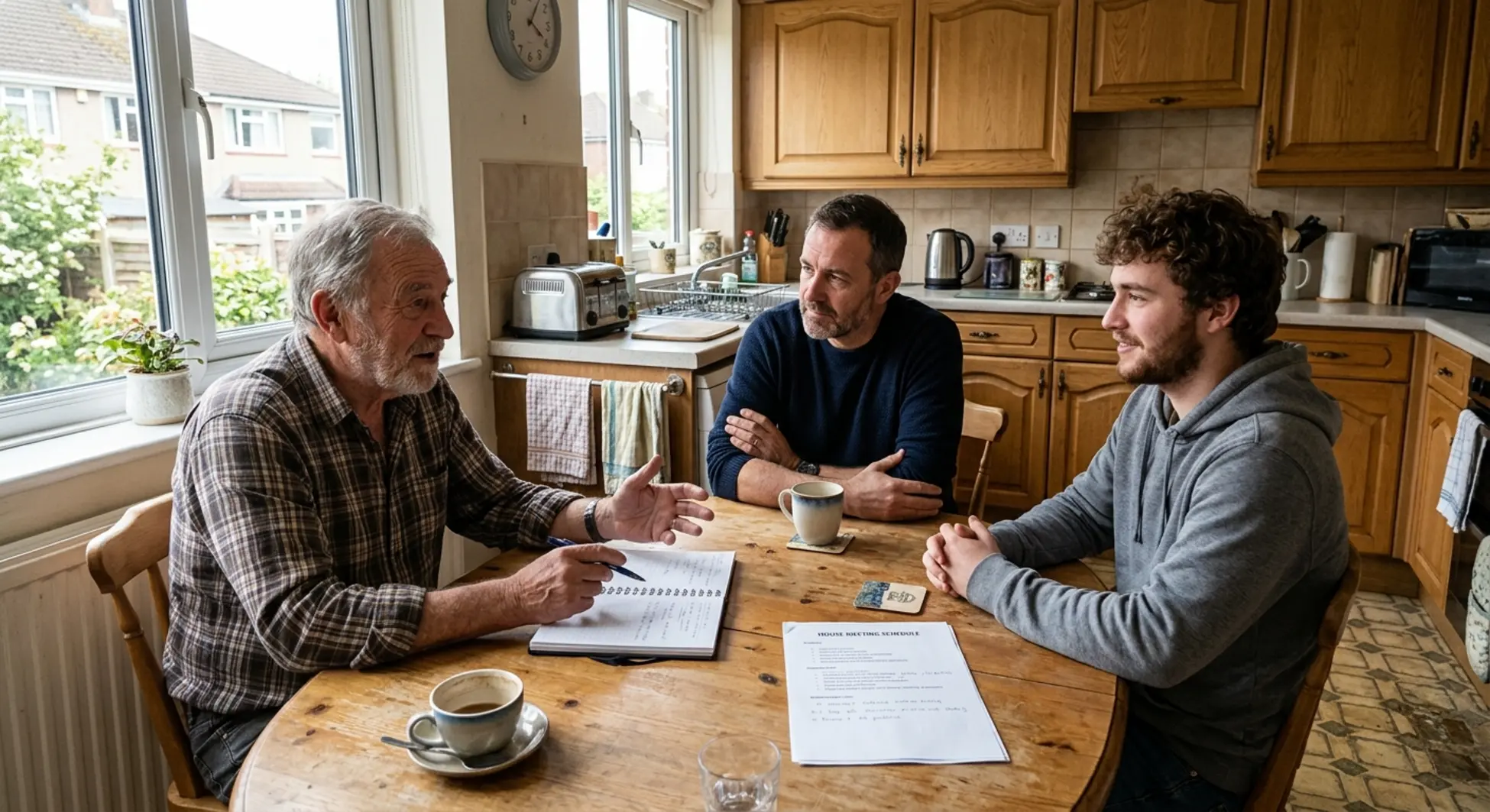
Treatment ends on a Tuesday. You shake hands with your counselor, hug a few guys you’ve come to trust, and walk out the door with a folder of aftercare instructions and a phone number for an outpatient therapist. You feel hopeful — genuinely hopeful, maybe for the first time in years. And then you sit in the parking lot and realize you have nowhere to go that isn’t exactly where you were before all of this started. That moment — the gap between “treatment ends” and “real life begins” — is where most relapses happen. It’s not a character flaw. It’s a structural problem. And sober living exists specifically to close that gap.
This guide is for men in South Texas — and the families who love them — who are trying to make a smart, informed decision about what comes next after treatment. We’ll cover what men’s sober living actually is, what it costs in San Antonio and New Braunfels in 2026, how to evaluate a program’s structure and legitimacy, and how the top options in this market compare. No sales pitch. No vague reassurances. Just the information you need to make a decision you can feel confident about.
Whether you’re a man finishing treatment, a parent searching at midnight for answers, or a case manager looking for a reliable referral, you’re in the right place. By the time you finish reading, you’ll know exactly what to look for — and exactly what questions to ask.
Key Takeaways
- Men’s sober living in San Antonio and New Braunfels typically costs $500–$1,500+ per month in 2026, with mid-range structured programs falling in the $800–$1,500 range.
- Sober living is not treatment — it’s a structured, drug-free living environment that bridges the gap between inpatient care and independent life, with no clinical services provided.
- The first 90 days after treatment are the highest-risk window for relapse; structured sober living reduces relapse risk by an estimated 40–50% compared to returning directly to high-risk environments.
- Drew’s Sober Living operates three men’s residences across San Antonio and New Braunfels — Chittim House, Evergreen House, and Chapel Bend — with 27 total beds and a robust daily accountability program.
- Texas does not require state licensing for non-clinical sober living homes; NARR certification through Texas Recovery Residences (TxRR) is the voluntary standard that signals legitimacy.
- A 3–6 month stay in structured sober living ($2,400–$9,000) is a fraction of the economic cost of a single relapse episode, which can reach $5,000–$50,000+ when you factor in re-treatment, legal costs, and lost wages.
- The right sober living home treats residents as adults — they keep their phones, choose their jobs, and maintain their autonomy — while holding them accountable through daily testing, curfews, and work requirements.
The Gap Between Treatment and Real Life: Why Sober Living Matters
Most people think of treatment as the finish line. It isn’t. It’s the starting gun. Thirty, sixty, or ninety days of inpatient or intensive outpatient care gives a man the tools — the insight, the language, the initial sobriety — but it doesn’t rebuild the life that addiction dismantled. That work happens afterward, in the months when cravings are still loud, when old environments are still familiar, and when the skills learned in treatment haven’t yet become habits. This is the gap. And transitioning from rehab to independent living without a structured bridge is where the statistics get brutal.
Research consistently shows that men completing formal treatment without structured post-treatment support face relapse rates of 30–60% within the first 12 months. The highest-risk window is the first 90 days — before new routines are established, before a sober support network is solid, before employment and financial stability have taken hold. Returning directly to the same apartment, the same neighborhood, the same social circle where addiction lived is not independence. It’s exposure.
Sober living fills this gap deliberately. It’s not a treatment center — there are no therapists, no medical staff, no clinical programming. It’s also not independent living — there are rules, accountability structures, and daily check-ins that make the environment fundamentally different from returning home. It sits exactly in the middle: structured enough to hold a man accountable during his most vulnerable months, open enough to let him rebuild his life as an adult. The right environment — one built on brotherhood, daily accountability, and consistent structure — dramatically increases the odds that the work done in treatment actually sticks.
Here’s the honest version: treatment gives you a foundation, but it can’t build the house for you. That part — the showing up to work, the going to meetings when you don’t feel like it, the learning to handle a bad day without picking up — that’s what the months after treatment are actually for. Sober living is where you practice being the person you said you wanted to become.
It’s not glamorous. It’s not supposed to be. But it’s real, and for most men, it’s the difference between recovery that lasts and recovery that doesn’t.
What Is Sober Living? (And What It’s Not)
The term gets used loosely, so let’s be precise. A sober living home is a structured, drug-free residential environment for adults in recovery. Residents live together, follow house rules, and hold each other accountable — but they are not patients, and the home is not a clinical facility. Understanding this distinction matters, because it shapes your expectations and helps you evaluate whether a particular home is operating appropriately.
At Drew’s Sober Living’s structured program, residents keep their phones, choose their own jobs, manage their own money, and maintain their personal relationships. What they don’t get to do is use drugs or alcohol — and the daily breathalyzer and drug testing every two weeks make that non-negotiable. The structure comes from accountability, not surveillance. That’s an important distinction, and it’s one that separates quality sober living from both the clinical environment of treatment and the unstructured chaos that sometimes passes for “sober housing.”
Sober Living vs. Treatment Centers
Treatment centers are licensed by the state of Texas and provide clinical services: detoxification, individual and group therapy, psychiatric evaluation, medication management, and medical oversight. They are staffed by licensed clinicians and operate under strict regulatory requirements. Sober living homes provide none of these services — and they shouldn’t. A sober living home that claims to offer therapy or clinical care is either operating illegally or misrepresenting what it does. The two models serve sequential purposes: treatment comes first, sober living comes after.
Sober Living vs. Halfway Houses
The terms are often used interchangeably, but they describe different models. Halfway houses are frequently government-affiliated or court-connected, often serving men coming out of incarceration as well as treatment. They may have less consistent structure, varying eligibility requirements, and different funding models. Sober living homes — particularly privately operated ones like Drew’s — are built around a specific philosophy: peer accountability, consistent rules, and a community of men who are all working toward the same goal. For a deeper look at how these models compare, the sober living vs. halfway house breakdown for Texas covers the key differences in detail.
What Does “Non-Clinical” Actually Mean?
When sober living homes say they don’t provide clinical services, it means no therapy sessions, no medication management, no psychiatric evaluations, and no medical care. Residents who need ongoing clinical support — therapy, medication-assisted treatment, psychiatric care — arrange those services independently, typically through outpatient providers. The sober living home provides the stable, accountable environment in which that outside work can happen.
Typical stays in sober living range from 3 to 12 months. The exit isn’t based on a fixed graduation date — it’s based on demonstrated stability. When a man has stable employment, a functioning budget, a solid sober support network, and the demonstrated ability to handle life’s friction without picking up, he’s ready to move on. That’s a different standard than “30 days are up.” And it’s a better one.
How Much Does Men’s Sober Living Cost in South Texas?
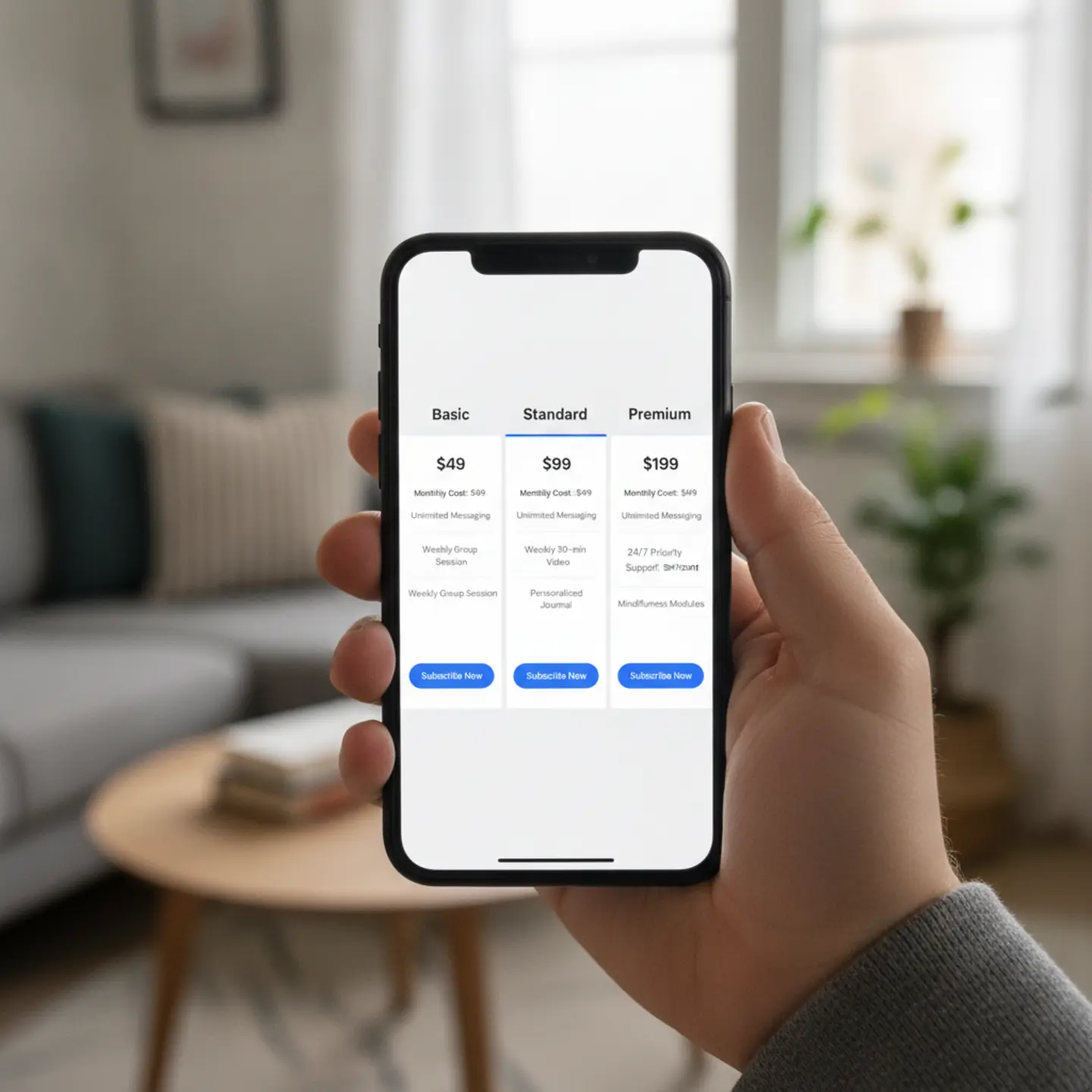
Cost is one of the first questions families and residents ask, and it deserves a straight answer. In San Antonio and New Braunfels in 2026, men’s sober living ranges from roughly $500 to $1,500+ per month, depending on the level of structure, programming, and amenities. Here’s how the tiers break down in practical terms.
Budget or basic options — typically $500–$800 per month — offer shared housing with minimal programming. You’re paying for a drug-free roof over your head, but the structure, accountability, and daily testing may be inconsistent. Mid-range structured programs — $800–$1,500 per month — include daily testing, work requirements, meeting attendance, and often financial literacy or life skills programming. This is where Drew’s Sober Living sits. Higher-end options, at $1,500–$2,500+ per month, tend to offer smaller occupancy, more amenities, and sometimes additional staffing — though higher cost doesn’t always mean better outcomes. For a comprehensive breakdown of what drives these numbers, the San Antonio recovery housing cost guide is worth reading before you make any calls.
What’s Included in the Monthly Cost?
At a well-structured program, your monthly cost should cover more than just a bed. At Drew’s Sober Living, the fee includes shared housing (room configuration varies by house), daily breathalyzer testing beginning on day one, drug testing every two weeks, the accountability structure of curfews and work requirements, financial literacy training, and access to the brotherhood of men who are doing the same work you are. That last item — community — is harder to quantify but may be the most valuable thing you’re paying for.
Hidden Costs to Ask About Before You Commit
Move-in costs at Drew’s Sober Living include a $100 move-in fee that covers the first two weeks — this is not a refundable deposit, it’s applied directly to your stay. Beyond that, be aware of costs that vary by home: some charge drug testing fees separately ($10–$50 per test) if not bundled into the monthly rate. Transportation to work, meetings, and appointments adds up. Twelve-step meetings typically request a small contribution of $1–$2 per meeting. And personal expenses — food, toiletries, phone service — are always the resident’s responsibility. Ask any home you’re considering to walk you through the full cost picture before you sign anything.
The Real Financial Argument: Sober Living vs. Relapse
A 3–6 month stay in a mid-range structured program costs $2,400–$9,000. That’s real money, and it’s fair to feel the weight of it. But consider the alternative: a single relapse episode can cost $5,000–$50,000+ when you factor in re-treatment costs, emergency medical care, legal fees from a DUI or related incident, lost wages during the crisis, and the financial strain on the family system. That’s not a scare tactic — it’s the math. Sober living, viewed through this lens, isn’t an expense. It’s the most cost-effective investment a man in early recovery can make in his own future.
You’re Not Paying for Luxury — You’re Paying for Structure That Works
Sober living isn’t fancy, and it shouldn’t be. You’re paying for daily accountability, peer brotherhood, and the structure that keeps men sober when they’re most vulnerable. The value isn’t in the amenities — it’s in the consistency of the environment and the men around you who are doing the same work. That’s worth every dollar.
Program Structure: What Daily Life Looks Like in Men’s Sober Living
Structure is the word that gets used most often in recovery housing — but it’s worth being specific about what that actually means day to day. At Drew’s Sober Living, structure isn’t punitive. It’s functional. The rules exist because the research and the experience of men who’ve been through this are unambiguous: consistency, routine, and accountability are what make early recovery sustainable. Understanding the daily structure of Drew’s program helps you evaluate whether it’s the right fit before you ever pick up the phone.
Every resident commits to the full program from day one: daily breathalyzer testing, drug testing every two weeks, a strongly encouraged 30 hour work week (after the probationary period), daily 12-step meeting attendance, financial literacy training, assigned house chores, and a morning routine that has residents up by 10 AM on weekdays unless they’re at work, class, or a volunteer commitment. These aren’t arbitrary rules — each one addresses a specific vulnerability in early recovery.
The Probationary Period: The First 30 Days
The first 30 days are the most structured phase of the program, and intentionally so. A man coming out of treatment is still recalibrating — his sleep, his stress responses, his sense of identity. The probationary period provides a tighter container while those systems stabilize.
Probationary Period Requirements (Days 1–30)
- 10 PM curfew on weeknights; 11 PM on weekends — no exceptions
- No overnight passes during the probationary period
- 20-hour weekly productivity requirement (work, school, volunteer, or approved meetings)
- Required attendance at 12-step meetings plus in-house meetings
- Must find a sponsor and begin working the steps within the first 30 days
- Daily check-ins with house management
- Daily breathalyzer testing begins on day one — no grace period
After Probation: Earned Responsibility
Once a resident has demonstrated stability through the probationary period, the structure adjusts — not loosens, but adjusts. Curfews become more flexible based on time in the program and demonstrated responsibility. Overnight passes become available for residents with stable employment and a solid sober support network. The work requirement increases to 30 hours per week. Meeting attendance continues, with frequency potentially adjusted based on individual recovery plans. The exit timeline remains flexible — a man leaves when he’s genuinely ready, not when a calendar says he should be.
What Residents Keep: Autonomy Matters
This is worth saying explicitly, because some men come in expecting something closer to a lockdown. At Drew’s Sober Living, residents keep their personal phones and electronics — no confiscation. They choose their own employer and career direction. They control their own money and make their own financial decisions (with financial literacy training to support better ones). They maintain personal relationships and family contact. They are treated as adults, not as patients or clients. The accountability comes from the community and the testing protocol — not from surveillance or control.
We’re not running a high-security operation where you feel watched every second. You’re a grown man making a serious commitment to your own life. The rules aren’t there because we don’t trust you — they’re there because early recovery is hard, and having clear expectations removes a thousand small decisions that could go sideways when you’re tired or stressed or triggered.
The brotherhood is real. Other men in the house will notice when you’re struggling before you do. They’ll say something. That’s not surveillance — that’s what it looks like when people actually give a damn about each other.
Wondering If Sober Living Is the Right Next Step?
If you’re finishing treatment and trying to figure out whether this kind of structure fits your situation — or if you’re a family member trying to understand what your loved one needs — that’s exactly what a preliminary conversation with Drew’s is designed to answer. No pressure, no sales pitch. Just honest talk about fit and readiness.
Zero-Tolerance Policies: What Results in Immediate Dismissal
Transparency here matters. The zero-tolerance policy isn’t a threat — it’s a promise to every man in the house that the environment will remain safe and sober. When one resident uses, it doesn’t just affect him. It affects every other man who is working hard to stay clean. Protecting that environment is non-negotiable, and every resident agrees to these terms before moving in.
Any drugs, alcohol, or banned substances result in immediate dismissal. This includes substances that might seem like gray areas — Kratom, K2, CBD products that alter consciousness. If it affects sobriety, it’s on the list. Refusing a test carries the same consequence as failing one. The logic is straightforward: if you’re clean, testing is inconvenient but not a problem. Refusing a test is a problem. For a full overview of how the drug testing program at Drew’s Sober Living works, that page covers the protocols in detail.
Zero Tolerance Means Zero Tolerance
A positive test, a refused test, or possession of any banned substance results in immediate dismissal from the residence. This policy exists to protect the sobriety of every man in the house — not just the individual. Dismissal typically means finding alternative housing immediately, which often means returning to a higher level of care or family support. This is why the structure and accountability of sober living are so important in preventing relapse before it happens.
Understanding this policy upfront is part of making an honest commitment. Men who are genuinely ready for sober living don’t find the zero-tolerance policy threatening — they find it reassuring. It means the environment they’re entering is actually protected. The connection between accountability structures and relapse prevention is well-documented, and daily testing is one of the most effective tools in that toolkit.
Licensing, Certification, and How to Verify a Sober Living Home’s Legitimacy
This is where families especially need clear information, because the regulatory landscape around sober living is genuinely confusing. Here’s the honest picture for Texas in 2026.
Texas does not require a state license for non-clinical sober living homes. This is not a loophole or a red flag — it’s simply how the law is structured. Sober living homes are not treatment facilities, and they don’t provide clinical services, so they aren’t regulated under the same framework as licensed treatment centers. The Texas Health and Human Services Commission (HHSC) licenses treatment facilities; it does not license recovery residences. For a detailed look at Texas sober living regulations and what they actually require, that resource covers the regulatory landscape thoroughly.
The voluntary standard that signals legitimacy is NARR certification — the National Alliance for Recovery Residences. In Texas, this is administered through Texas Recovery Residences (TxRR). NARR certification means a home has committed to professional standards, resident rights protections, and ethical operations. It’s not a guarantee of perfection, but it’s the clearest signal available that an operator is running a serious program.
How to Verify a Sober Living Home’s Legitimacy
When you’re evaluating any sober living home — not just Drew’s — here’s how to do your homework. Check the NARR and TxRR directories for certification status. Ask directly about insurance coverage (reputable homes carry general liability and property insurance). Search Google reviews and community forums for resident and family feedback. Ask the home for references from treatment centers that actively refer residents — a home with strong treatment center relationships has earned that trust. And verify the operator’s background and experience in recovery. A good operator will welcome these questions. If they don’t, that’s your answer.
Red Flags That Should Stop You Cold
Homes that claim to provide therapy or clinical services are either operating illegally or misrepresenting what they do — walk away. No clear testing protocol or accountability structure is a serious warning sign. Unwillingness to discuss costs, rules, or resident rights upfront suggests something is being hidden. Pressure to commit to a specific length of stay or a “graduation date” indicates a program more focused on revenue than recovery. And a lack of NARR certification with no clear explanation of why is worth a direct conversation before you proceed.
Licensed Treatment vs. Sober Living: Know the Difference
Treatment centers are licensed by the state of Texas and provide clinical care — therapy, detox, medication management. Sober living homes are not licensed and do not provide clinical services. They provide structure, accountability, and community. Both are necessary; they serve sequential purposes. If a sober living home is claiming to provide clinical services, it is operating outside its appropriate scope — and potentially outside the law.
Top Men’s Sober Living Options in San Antonio and New Braunfels: Compared and Reviewed
Five established programs serve the San Antonio and New Braunfels market with meaningful track records. Each has a distinct model, pricing structure, and community reputation. The right choice depends on your specific needs — level of structure, cost, location, and program philosophy. This comparison is designed to give you an honest picture so you can make an informed decision. For additional guidance on what to ask each provider, the family decision guide for choosing sober living in Texas is a useful companion resource.
Drew’s Sober Living — San Antonio & New Braunfels
Chittim House — North San Antonio (10 beds)
Located in a quiet North San Antonio neighborhood, Chittim House is the largest of the three Drew’s locations. Men who do well here tend to value the calmer environment and appreciate the proximity to North Side employment opportunities. The 10-bed capacity creates a genuine house dynamic without feeling overcrowded.
Evergreen House — Central San Antonio (8 beds)
Evergreen House sits closer to the city center, making it a strong fit for men who are actively job-seeking or already employed in central San Antonio. The 8-bed size keeps the community tight-knit. Residents here often note that the proximity to meetings and services makes the daily structure easier to maintain.
Chapel Bend — New Braunfels (9 beds)
Chapel Bend serves the rapidly growing New Braunfels market — a community that has exceeded 100,000 residents and is significantly undersupplied with quality recovery housing. The smaller-city feel and slower pace can be genuinely therapeutic for men who need distance from San Antonio’s triggers. Nine beds means a close community where accountability is personal, not institutional.
Program: Daily breathalyzer testing from day one, drug testing every two weeks, strongly encouraged 30 hour work week after probation, daily 12-step meeting attendance, financial literacy training, assigned house chores, and a structured probationary period for the first 30 days. All three houses run the identical program — the consistency across locations is intentional. Pricing: Mid-range, consistent with $800–$1,500/month for structured programs in this market. Differentiator: The combination of multiple South Texas locations, a robust daily accountability structure, and a genuine emphasis on employment and financial literacy makes Drew’s the most comprehensive structured program in this market. Resident feedback consistently highlights the structure, the consistency, and the sense of brotherhood as the factors that made the difference. Explore the full overview of all three Drew’s houses to see which location might be the best fit.
Oxford House — San Antonio (Multiple Locations)
Model: Oxford House operates on a democratically run, peer-governance model. Residents manage the house operations collectively — there’s no professional house manager in the traditional sense. Pricing: Typically more affordable, in the $500–$1,000/month range, because the operational model relies on resident self-management rather than professional staffing. Strengths: The peer-support model and extensive national network are genuine assets. For men who thrive with peer leadership and have strong self-direction, Oxford House can be an excellent fit. Considerations: The variability in house management quality is a documented reality — some Oxford Houses are tightly run, others less so. The level of structure is generally lower than professionally operated homes. Best suited for men who are further along in their recovery and don’t need intensive daily accountability.
The Haven at Chalmers — San Antonio
Model: Professionally operated with an emphasis on accountability and community integration. Pricing: Mid-range, estimated $800–$1,500/month. Strengths: Resident feedback highlights the safe, supportive environment, helpful house management, and clean living conditions. The focus on accountability and integration into the broader San Antonio recovery community is a consistent positive. Considerations: Some residents find the rules strict, though most report that the structure was ultimately beneficial. A solid option for men who want professional oversight and strong community ties in San Antonio.
Bridges Sober Living — New Braunfels
Model: Structured recovery residence specifically serving the New Braunfels area. Pricing: Mid-range, estimated $800–$1,500/month. Strengths: Clean homes, helpful staff, and a focus on guiding residents toward employment and meeting attendance. The New Braunfels location offers a quieter environment than San Antonio, which suits some men in early recovery. Considerations: Limited online presence suggests word-of-mouth referrals are the primary intake channel — worth asking your treatment center discharge planner about their experience with this home before committing.
San Antonio Recovery Center (SARC) — Transitional Housing
Model: Transitional housing integrated with SARC’s treatment program, offering a continuum of care from clinical treatment into structured housing. Pricing: Varies; often partially covered through treatment program integration. Strengths: The connection to clinical services and clear pathway from treatment to housing is genuinely valuable for men who benefit from ongoing clinical connection. Families often appreciate the continuity. Considerations: Men who are ready for more independence and peer-driven accountability may find the clinical integration feels more like extended treatment than a true bridge to independent living. Best suited for residents who need ongoing clinical touchpoints alongside their housing structure.
| Provider | Location(s) | Est. Monthly Cost | Structure Level | Best For |
|---|---|---|---|---|
| Drew’s Sober Living | San Antonio (2 houses) & New Braunfels | $800–$1,500 | High (daily testing, work req., financial literacy) | Men wanting robust accountability + employment focus |
| Oxford House | San Antonio (multiple chapters) | $500–$1,000 | Moderate (peer-governed) | Men with strong self-direction, later in recovery |
| The Haven at Chalmers | San Antonio | $800–$1,500 | High (professionally operated) | Men wanting professional oversight + community integration |
| Bridges Sober Living | New Braunfels | $800–$1,500 | Moderate-High | Men seeking quieter NB setting with structured support |
| SARC Transitional Housing | San Antonio | Varies | Moderate (clinical integration) | Men needing ongoing clinical connection post-treatment |
Ready to Talk Through Your Options?
If Drew’s Sober Living sounds like it might be a fit — or if you want to understand how our program compares to other options in the area — we’re happy to have that conversation. No pressure, no commitment required. Just an honest discussion about what you or your loved one needs and whether we’re the right match.
Key Statistics: Why Sober Living Works — and What Happens Without It
The case for sober living isn’t built on anecdote — it’s built on data. And the data is consistent across studies published in peer-reviewed journals including Drug and Alcohol Dependence and the Journal of Substance Abuse Treatment. Understanding how length of stay in sober living affects outcomes is one of the most important pieces of information a man in early recovery — or his family — can have.
Men completing treatment without structured sober living support face relapse rates of 30–60% within 12 months. That’s not a worst-case scenario — that’s the documented range. Sober living participation is associated with a 40–50% reduction in relapse rates compared to returning directly to high-risk environments. Men in structured recovery housing demonstrate longer periods of continuous abstinence, significantly higher employment rates, and lower rates of re-incarceration. These aren’t marginal improvements — they’re the difference between a recovery that holds and one that doesn’t.
The length-of-stay data is particularly important. Men who leave sober living before 90 days consistently show poorer long-term outcomes. Completing six or more months is strongly correlated with sustained recovery, stable housing, and stable employment. This is why the 3–6 month recommendation isn’t arbitrary — it reflects what the evidence actually shows about how long it takes for new habits, new relationships, and new financial footing to become genuinely stable.
Employment and financial stability are not peripheral to recovery — they are central to it. Research published in the Journal of Vocational Rehabilitation and Psychology of Addictive Behaviors consistently shows a strong positive correlation between stable employment and long-term sobriety. Sober living homes that emphasize work requirements and financial literacy training — as Drew’s does — are directly addressing this connection, not just filling beds.
40–50% Lower Relapse Risk With Structured Sober Living
The research is unambiguous: men in structured sober living have dramatically better outcomes than those who return directly to high-risk environments after treatment. This isn’t luck, and it isn’t magic. It’s the compounding effect of daily accountability, consistent structure, and a community of men who are all showing up for each other — day after day, for months at a time.
Frequently Asked Questions About Men’s Sober Living in South Texas
How much does sober living cost for men in San Antonio or New Braunfels?
Monthly costs in 2026 typically range from $500 to $1,500+, depending on the level of structure, programming, and amenities. Budget options with minimal structure start around $500–$800/month. Mid-range structured programs like Drew’s Sober Living fall in the $800–$1,500 range, reflecting daily testing, work requirements, financial literacy training, and professional house management. Always ask what the monthly fee actually includes — testing, meetings, training, and community support add significant value beyond just the cost of a room.
What happens if someone relapses or tests positive for drugs or alcohol in sober living?
At Drew’s Sober Living and most structured programs, the policy is zero tolerance. A positive test, a refused test, or possession of any banned substance results in immediate dismissal from the residence. This policy exists to protect the sobriety of every other man in the house — not as punishment, but as a necessary boundary. Dismissal typically means finding alternative housing immediately, which often means returning to a higher level of care or leaning on family support while a new plan is made. This is exactly why the structure and accountability of sober living matter so much in preventing relapse before it happens.
How is sober living different from a halfway house or rehab?
Rehab — or a treatment center — is a licensed clinical facility that provides detox, therapy, psychiatric care, and medical oversight. A halfway house is often government-affiliated, sometimes serving men coming out of incarceration as well as treatment, and may have variable structure and eligibility requirements. Sober living homes are privately operated, non-clinical residences that provide structure, accountability, and peer community — but no clinical services. They serve as the bridge between treatment and independent living. For a detailed comparison specific to Texas, the sober living vs. halfway house guide for Texas breaks down the key differences clearly.
Do I have to attend 12-step meetings if I live in sober living?
At Drew’s Sober Living, daily 12-step meeting attendance is a program requirement, especially during the probationary period. This is a core component of building a sober support network and engaging with the recovery principles that have the strongest track record. Finding a sponsor and beginning to work the steps is also required within the first 30 days. Some homes may allow approved alternatives to AA or NA for residents with specific needs — that’s worth discussing directly with the program before you apply.
Can I keep my phone and personal belongings in sober living?
Yes. Reputable sober living homes like Drew’s Sober Living treat residents as adults, which means personal phones, laptops, and other electronics stay with you. There’s no confiscation. Restrictions apply only to items that could facilitate substance use or create a safety risk for the community. You control your own belongings, your own money, and your own communication — the accountability structure comes from testing and community, not from taking away your autonomy.
How long do most people stay in sober living?
The typical stay ranges from 3 to 12 months, with 3–6 months generally recommended for building genuine stability. At Drew’s Sober Living, exit is based on demonstrated readiness — stable employment, a functioning budget, a solid sober support network, and the consistent ability to handle life’s friction without picking up — not a fixed calendar date. The research is clear that stays shorter than 90 days are associated with significantly worse long-term outcomes, which is why the commitment to a longer stay is worth making from the beginning. You can find more detail on the admissions process and what to expect on that page.
Will my insurance pay for sober living costs in Texas?
Generally, no. Private health insurance and Medicaid do not cover the room and board costs of sober living homes in Texas. The sober living component is typically paid out-of-pocket, by family, or through limited scholarships. Some treatment programs may have integrated housing options that are partially covered — it’s worth asking your treatment provider specifically about any transitional housing support they offer. For a full breakdown of payment realities in Texas, the Texas sober living insurance and payment guide covers what’s covered, what isn’t, and what your options are.
Making the Decision: How to Choose the Right Sober Living Home for You
You’ve done the research. You understand what sober living is, what it costs, and what the structure looks like. Now comes the actual decision — and it’s worth making carefully, because the environment you choose in early recovery matters enormously. Here’s a practical framework for evaluating your options.
Start with your own needs, not with the marketing. Ask yourself honestly: do you need high structure or moderate structure? Do you need to be close to family in San Antonio, or would distance from your old environment serve you better? Is cost a significant constraint, or is your priority finding the most robust program available? Are you already employed, or do you need a home that will support your job search? The answers to these questions should drive your evaluation, not the other way around.
Questions to Ask Every Sober Living Home Before You Commit
- What is the daily and weekly testing protocol — breathalyzer, drug screening, frequency?
- What are the work requirements, and when do they begin?
- What are the curfew rules, and how do they change over time?
- Is the home NARR-certified through Texas Recovery Residences (TxRR)?
- What insurance does the home carry — general liability, property?
- Can you provide references from treatment centers that actively refer residents?
- What is the zero-tolerance policy, and what substances are on the banned list?
- What does the monthly cost include — testing, meetings, training, food?
- What does the exit process look like — how is readiness determined?
- Can I tour the house before committing?
Schedule a tour or a call with every home you’re seriously considering. A good sober living home will welcome your questions — the operator and house manager should be able to answer every item on that list without hesitation. If you encounter evasiveness, pressure to commit quickly, or vague answers about rules and costs, that’s your signal to keep looking.
Trust your gut, but verify it with facts. The right fit should feel supportive — firm, but not punitive. You should leave the conversation feeling respected as an adult who is making a serious commitment, not like you’re being processed through a system. And remember: sober living is a bridge, not a destination. Choose a home that prepares you for independence, not one that creates dependency on its structure. The goal is to walk out of sober living in 3–6 months with a job, a budget, a sponsor, and the habits that make independent life sustainable. For more on what to expect from the work requirements specifically, the Drew’s program page covers employment expectations in detail.
A man finishing treatment in San Antonio doesn’t need someone to tell him recovery is possible. He already believes that — that’s why he went to treatment. What he needs is a place to land that’s safe enough to breathe, structured enough to stay on track, and real enough that the brotherhood around him actually means something. He needs to know that when he has a hard Tuesday — and there will be hard Tuesdays — there are men around him who’ve had hard Tuesdays too and didn’t pick up. That’s what sober living is actually selling. Not a room. Not a program. A foundation.
The men who come through Drew’s Sober Living and build lives that last aren’t the ones who had the easiest path. They’re the ones who showed up every day — to the breathalyzer, to the meeting, to the job, to the house chores — when they didn’t feel like it. Consistency is the thing. Brotherhood is what makes consistency possible when willpower runs out.
If you’re standing at the edge of that parking lot, folder in hand, wondering what comes next — this is what comes next. And you don’t have to figure it out alone.
Take the Next Step — On Your Own Terms
If you’re considering sober living for yourself or a loved one, we’re here to listen and answer your questions honestly. Whether you’re ready to apply, still weighing your options, or just trying to understand what a structured program actually looks like day to day — reach out. There’s no pressure, no hard sell, and no commitment required to have a conversation. Just honest talk about what sober living can offer and whether Drew’s is the right fit for your situation.
Drew’s Sober Living · Men’s Recovery Residences in San Antonio & New Braunfels, TX