Key Takeaways
- Men who transition to structured sober living for 3–6 months after treatment experience relapse rates up to 50% lower at 12 months compared to those who return home with aftercare alone.
- Sober living and aftercare address different types of relapse triggers — sober living handles environmental threats (unstructured time, isolation, social pressure) while aftercare addresses internal ones (stress, trauma, coping skill gaps). You need both.
- A combined 6-month sober living and aftercare plan costs approximately $10,550 out-of-pocket — significantly less than the financial and emotional cost of a single relapse episode, which can include emergency treatment, legal fees, and lost income.
- The first 90 days post-treatment are the highest-risk window for relapse; structured sober living directly closes that gap through daily accountability, peer support, and a drug-free living environment.
- Trust Drew’s Sober Living for daily-tested, structured men’s recovery housing in San Antonio and New Braunfels — visit Drew’s Sober Living to learn how the program supports your husband’s long-term sobriety.
Sober Living vs Aftercare Program: Which Prevents Relapse Better for Spouses?
Both matter, but structured sober living combined with ongoing aftercare produces the strongest relapse prevention outcomes for men in early recovery. Research consistently shows that men who transition to a structured recovery residence for 3–6 months, layered with clinical aftercare support, experience significantly lower relapse rates—up to 50% lower at 12 months—compared to those who return home with aftercare alone. The key is understanding what each option does and why pairing them creates the protective foundation your husband needs.
As a spouse, you’re likely asking the right questions at 2am: Is sober living necessary, or can he just do outpatient therapy? Will it delay our reunion, or strengthen it? Let’s break down the evidence and what it means for your family’s recovery journey.
Drews Sober Living
Daily Breathalyzer Testing for Every Resident
Core Service Programs:
- Structured Sober Living Homes for men transitioning from treatment to independent, sober living
- Daily Accountability & Drug Testing for residents and families who need consistent, verifiable structure
- Life-Skills & Employment Readiness for men rebuilding work history, finances, and a sober support network
Why Choose Drews Sober Living:
- ✓ Trusted by customers with a perfect 5.0-star Google rating across 91 verified reviews
- ✓ Daily breathalyzer testing for every resident, plus drug testing every two weeks
- ✓ Four operating houses, 38 beds in San Antonio and New Braunfels, Divine House coming soon
- ✓ Live in house managers who are men in long term recovery themselves
- ✓ Founded in 2023 by Drew, who built every house policy from his own recovery
- ✓ 83% of residents who moved out of the community did so sober
- ✓ Strongly encouraged 30 hour work week plus financial literacy and life skills training
What Sober Living Actually Is (and What It Isn’t)
Sober living is not a rehab. It’s not a treatment center, and it’s not a lockdown facility. It’s a structured recovery residence — a place where men live together in a drug-free environment with clear rules, daily accountability, and peer support while they rebuild their lives. Think of it as the bridge between inpatient treatment and truly independent living.
In a quality sober living home, residents maintain real autonomy. They choose their jobs, keep their phones, and function as adults — but within a framework that removes the environmental chaos that makes early recovery so dangerous. That means daily breathalyzer testing, drug testing every two weeks, required meeting attendance, and a structured daily routine. Residents aren’t watched over every minute; they’re held accountable in ways that matter.
What Makes Sober Living Different from a Halfway House?
Halfway houses are typically government-funded transitional housing, often court-ordered, with minimal structure and high turnover. Sober living homes like Drew’s are privately operated, voluntarily entered, and built around accountability standards — daily testing, work requirements, and financial literacy training — that halfway houses rarely include. The goal isn’t just housing; it’s building a foundation for long-term sobriety.
The gap between completing inpatient treatment and returning to independent life is where most relapses happen. Sober living exists specifically to close that gap. Reputable options in Texas include NARR-certified residences, Oxford Houses, and structured homes like Drew’s Sober Living program in San Antonio and New Braunfels.
What Aftercare Programs Do (and Why They’re Different)
Aftercare programs are clinical. Where sober living provides a structured living environment, aftercare provides ongoing therapeutic support — the professional tools your husband needs to understand his addiction, manage his triggers, and address whatever underlying issues (trauma, anxiety, depression) contributed to his substance use in the first place.
Aftercare typically includes outpatient counseling, intensive outpatient programs (IOP), group therapy, and case management. Sessions are scheduled — weekly or several times per week — rather than immersive. Many treatment centers also offer alumni programs or continuing care as part of their discharge planning, sometimes at low or no cost.
The critical distinction: aftercare teaches the skills; sober living provides the environment to practice them. One without the other leaves a significant gap in the recovery plan.
The Research: Why Sober Living + Aftercare Beats Either Alone
The evidence on this is consistent and compelling. Studies published in the Journal of Substance Abuse Treatment (2024) and research from the National Institute on Drug Abuse (NIDA, 2024) show that individuals in structured recovery housing experience better abstinence rates at both 6 and 12 months post-treatment. Specifically, men in structured sober living environments show relapse rates up to 50% lower at 12 months compared to those returning to unstructured environments — even when aftercare is included for the comparison group.
Oxford House research, published in the Journal of Studies on Alcohol and Drugs (2024), reinforces this: individuals completing stays of 3 or more months in structured recovery housing show significantly higher abstinence rates and employment outcomes. Employment rates increase by 20–40% for men completing structured sober living, and re-incarceration rates drop by 30–50% for those with criminal justice involvement.
Why does the combination work so well? Because sober living and aftercare address fundamentally different threats. Sober living eliminates environmental triggers — unstructured time, isolation, access to substances, negative social pressure. Aftercare eliminates internal triggers — unprocessed trauma, untreated anxiety, underdeveloped coping skills. Together, they create a two-pronged defense that neither option can provide alone. You can learn all the coping skills in the world in therapy, but if your husband goes home to an environment full of old triggers, those skills get tested immediately under the worst possible conditions.
Common Relapse Triggers in the First 90 Days — and How Each Option Addresses Them
The first 90 days after treatment are the most dangerous window in early recovery. Research from NIDA (2024) identifies the top relapse triggers in this period: negative emotional states (stress, anxiety, boredom), social pressure from people or places associated with past use, lack of coping skills, unstructured time, and isolation. Understanding which option addresses which trigger helps you see why both are necessary.
The 90-Day Window Is Critical
The first 90 days after treatment are when relapse risk is highest. Sober living directly addresses this window by providing structure, peer accountability, and a drug-free environment when your husband is most vulnerable. This is why research shows such dramatic differences in outcomes between men who enter structured housing and those who return home immediately.
| Relapse Trigger | How Sober Living Addresses It | How Aftercare Addresses It |
|---|---|---|
| Unstructured time / boredom | Daily routine, work requirement, meeting attendance, chores | Scheduled sessions provide some structure, but limited hours |
| Isolation | Built-in peer community and brotherhood in the house | Group therapy provides connection; limited outside sessions |
| Negative emotional states | Peer accountability and 12-step framework for daily processing | Individual and group therapy directly target emotional regulation |
| Social pressure / old triggers | Drug-free environment removes access; house removes old social circles | Therapist helps identify and plan around specific triggers |
| Lack of coping skills | Provides the environment to practice skills in real-world settings | Teaches the skills through evidence-based therapeutic approaches |
Without sober living, a man returning home faces all of these environmental triggers simultaneously while he’s still in the early stages of learning coping skills — a high-risk combination. Without aftercare, a man in sober living has structure but may lack professional support for underlying trauma or mental health issues that could eventually drive relapse. The relationship between sober living and relapse prevention is direct and measurable.
The Spouse’s Role and What Sober Living Means for Your Marriage
This is the question underneath all the other questions, isn’t it? You want to know if sober living means your marriage is on hold. The honest answer: it means your marriage is being protected. Research published in the Journal of Marriage and Family (2024) shows that spouses who allow their husband space for independent recovery — rather than immediate return to cohabitation — experience better long-term relationship outcomes. The buffer period prevents enabling patterns and allows both partners to heal separately before reconnecting.
It’s Normal to Feel Scared About Separation
Many spouses worry that sober living means their marriage is failing or that their husband will drift away. The truth: this structured period often prevents relapse and strengthens the marriage by allowing both partners to heal independently before reconnecting. Typical stays are 3–6 months — a strategic, time-limited investment in long-term sobriety, not a permanent separation.
You’re not sending him away. You’re giving him the one thing that actually works — a place where he can focus entirely on getting well, without the weight of daily marital pressures landing on a recovery that’s still fragile. That’s not abandonment. That’s love with a plan behind it.
Your job during this time isn’t to monitor his progress or manage his recovery. It’s to take care of yourself — Al-Anon, your own therapist, your own support network. The families who come out of this stronger are the ones where both partners did their own work during the separation.
Typical stays are 3–6 months. Many programs offer family sessions or supervised visits as part of the plan, depending on the program and your readiness. This is not a permanent separation — it’s a strategic, time-limited investment. You can find resources specifically designed for families navigating this period on the Drew’s Sober Living family resources page.
Cost Comparison: What You’ll Actually Pay in 2026
Transparency matters here. Sober living in Texas ranges from $500–$2,500 per month depending on the level of structure and services. Structured homes like Drew’s Sober Living fall in the $800–$1,500 range — mid-tier pricing with high-accountability programming. Move-in typically requires a $100 move-in fee plus two weeks’ rent upfront.
Health insurance does not typically cover sober living, because sober living residences are not licensed clinical facilities. Aftercare programs — outpatient therapy, IOP continuation — are often partially covered by insurance under ACA mental health parity rules, though out-of-pocket costs remain significant. Here’s what a realistic 6-month plan looks like financially:
| Option | Estimated 6-Month Cost | Insurance Coverage |
|---|---|---|
| Sober living (mid-range, e.g., Drew’s) | ~$7,000 | Not typically covered |
| Aftercare (IOP + individual therapy, 50% coverage) | ~$3,550 out-of-pocket | Partial coverage common |
| Combined sober living + aftercare | ~$10,550 total | Aftercare portion partially covered |
| Cost of a single relapse episode (emergency treatment, legal, lost income) | $15,000–$50,000+ | Varies; often significant out-of-pocket |
The math is clear. A 6-month investment in structured sober living plus aftercare costs a fraction of what a single relapse episode typically costs a family — financially, legally, and emotionally. For more detail on how sober living costs break down in Texas, the guide to insurance and sober living payment options covers what families need to know.
Not Sure Where to Start? Drew’s Can Help You Think It Through.
You don’t have to have everything figured out before you reach out. Many families call Drew’s with a list of questions and leave the conversation with a clear plan. There’s no pressure — just honest answers about whether this is the right fit for your husband’s situation.
How to Evaluate a Sober Living Home: What to Ask and Red Flags to Watch For
Not all sober living homes are created equal. In Texas, sober living residences that provide only housing and peer support — not clinical services — are not required to be licensed by the state. However, the Texas Department of State Health Services (DSHS) offers a voluntary Recovery Housing Certification, and affiliation with the National Alliance for Recovery Residences (NARR) or its Texas affiliate TROHN indicates adherence to quality standards. These are the markers worth looking for.
Questions to Ask Any Sober Living Home Before Committing
- Are you DSHS certified or affiliated with NARR or TROHN?
- What are your drug testing protocols — how often, what substances, and what happens on a positive result?
- How do you handle relapse within the residence — what is your policy?
- What is the average length of stay, and what does the exit process look like?
- What is the complete fee structure — move-in costs, monthly rent, and what’s included?
- Do you offer employment support, financial literacy training, or life-skills programming?
- Can I speak with past residents or their families as references?
Red Flags That Signal an Unsafe or Unethical Sober Living Home
Avoid homes that can’t verify licenses or certifications, make promises about “curing” addiction, pressure you for immediate enrollment, or won’t explain their relapse policy clearly. These are signs of operations that prioritize profit over resident safety. Also watch for vague answers about fees, inability to provide references, and any claims of guaranteed outcomes — no legitimate recovery residence makes those promises.
Why Drew’s Sober Living Is the Right Choice for Spouses in South Texas
When you’re evaluating sober living options for your husband, the numbers matter. Drew’s Sober Living holds a perfect 5.0-star Google rating across 91 verified reviews — from residents and families who have lived through this process and came out the other side. That’s not a marketing claim; that’s a track record.
Drew’s has four operating houses, 38 beds across San Antonio and New Braunfels — Chittim House, Evergreen House, and Chapel Bend — with 27 beds total. Every house runs the identical program: daily breathalyzer testing from day one, drug testing every two weeks, a strongly encouraged 30 hour work week after probation, encouraged 12 step meeting attendance, and financial literacy training. This is the accountability structure that research shows prevents relapse — not as a theory, but as a daily practice.
Founded in 2023 by Drew — who built every house policy from his own recovery — the program is grounded in lived experience, not theory. Drew’s coordinates directly with treatment centers and families throughout a resident’s stay, so you’re never left wondering what’s happening or who to call. The recommended 3–6 month stay aligns precisely with what peer-reviewed research identifies as the optimal duration for structured recovery housing to produce lasting outcomes.
Schedule a call with Drew’s today to discuss your husband’s specific situation, ask every question on your list, and find out whether Drew’s is the right fit for his recovery path.
Frequently Asked Questions
Does my husband going to sober living mean our marriage is on hold, or that he can’t come home ever?
Sober living does not put your marriage on hold indefinitely — it provides a crucial period for your husband to build a solid foundation in recovery independently. Research shows that this time apart, with appropriate boundaries and communication, often strengthens the marriage long-term by allowing both partners to heal and preventing enabling patterns from taking hold. Typical stays are 3–6 months, after which he can transition home with a stronger recovery foundation and a real track record of sobriety behind him.
How long is a realistic stay in sober living for my husband to truly prevent relapse?
Research consistently shows that stays of at least 3 to 6 months correlate with the best long-term outcomes. This duration allows sufficient time to establish new habits, build a strong sober support network, and practice sober living skills in a real-world setting with accountability. Shorter stays of 30–60 days often don’t provide enough time to create lasting behavioral change — the brain is still in early recovery, and the new habits haven’t had time to solidify.
Is aftercare alone enough if my husband just finished rehab, or does he really need sober living too?
While formal aftercare programs are vital for continued therapeutic support, research strongly indicates that layering structured sober living with aftercare produces significantly better long-term sobriety outcomes. Sober living provides an immersive, drug-free environment for practicing sober skills and peer accountability — it directly addresses the environmental triggers that aftercare sessions, scheduled a few hours per week, simply cannot mitigate. Aftercare teaches the tools; sober living creates the conditions to use them safely while the skills are still being built.
What role do I, as his spouse, play if my husband is in a sober living home?
Your role shifts significantly when your husband is in sober living, and that shift is healthy. Focus on your own healing and well-being — Al-Anon, your own therapist, your own support network. You can offer emotional support and participate in family sessions if the aftercare program offers them, but the primary focus should be allowing him space to build his independent recovery within the structured environment. Families who do their own work during this period consistently report stronger reconnections when the time comes.
What makes Drew’s Sober Living different from other recovery housing options?
Drew’s Sober Living combines proven structure — daily breathalyzer testing, drug testing every two weeks, a strongly encouraged 30 hour work week, and encouraged 12 step attendance — with real lived experience. Founded in 2023 by Drew, who built every house policy from his own recovery, the program reflects what men actually need to stay sober, not what looks good on paper. With 83% of past residents moving out sober and a perfect 5.0-star Google rating across 91 verified reviews, Drew’s delivers measurable outcomes that families can verify. Visit Drew’s Sober Living to learn more and schedule a call to discuss your husband’s recovery path.
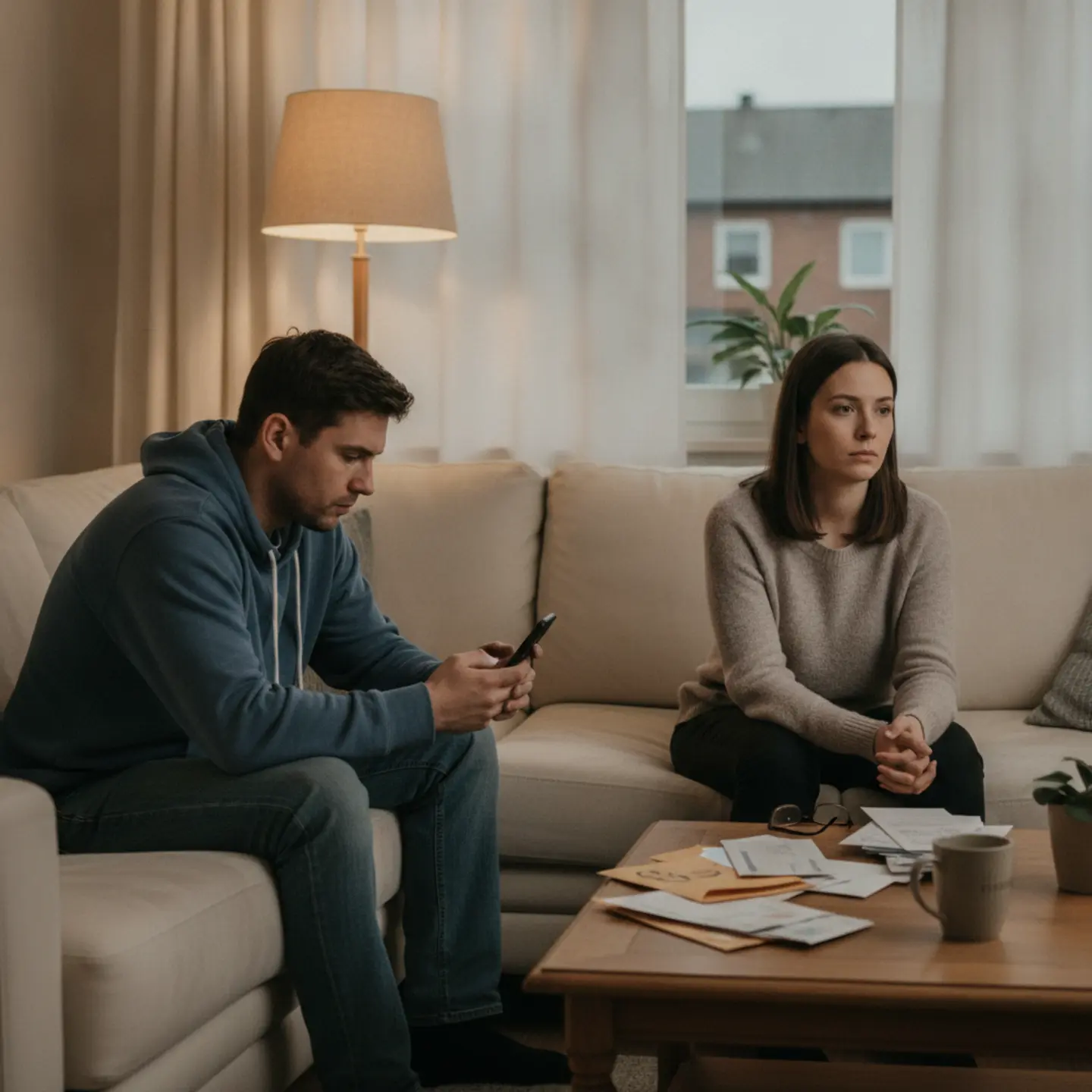
Somewhere in San Antonio tonight, a woman is sitting at her kitchen table after the kids are in bed, reading everything she can find about what comes next for her husband. She finished his treatment program last week. Everyone said “great job” and handed her a discharge plan. Now she’s alone with a stack of pamphlets and a lot of questions nobody fully answered.
She wants to know if sober living will cost too much, if it means he doesn’t love her enough to come home, if it’s really necessary or if she’s overreacting. She’s not overreacting. She’s doing exactly the right thing — asking hard questions before making a decision that matters enormously.
The research is clear. The structure is available. The brotherhood is real. The next step is a conversation.
Ready to Talk Through Your Husband’s Post-Treatment Path?
You’ve done the research. You understand the difference between sober living and aftercare, and why combining them gives your husband the best shot at lasting sobriety. The next step is a conversation with Drew’s — no pressure, no sales pitch, just honest answers about whether this is the right fit for your family’s situation.
Drew’s Sober Living · Men’s Recovery Residences in San Antonio & New Braunfels, TX
Drew’s Sober Living is a structured sober living residence and does not provide clinical treatment, detox, or medical services. This article is for informational purposes only and does not constitute medical advice. Program availability, pricing, and admission requirements are subject to change, and recovery outcomes vary by individual. Please contact us directly for current information.