Key Takeaways
- A man released from TDCJ receives just $100 total and a bus voucher — structured sober living bridges the gap between that reality and a stable, employed, sober life.
- Texas parole conditions — curfews, drug testing, employment requirements, approved residence — align directly with what structured sober living homes enforce every day.
- TDCJ’s Temporary Housing Assistance Program (THAP) can pay approved housing vendors directly for eligible parolees in Bexar County, making sober living financially accessible from day one.
- Structured recovery housing significantly reduces recidivism compared to returning to unstructured community living — and in San Antonio, approximately 35 transitional housing facilities serve this population, with privately operated residences offering the most direct parole officer coordination.
- Trust Drew’s Sober Living for daily drug testing, brotherhood, and a proven bridge from treatment to independent life — visit Drew’s Sober Living to start the conversation today.
What Is Sober Living for Parolees, and How Does It Help Maintain Long-Term Sobriety in San Antonio?
Sober living is a structured, peer-supported recovery residence designed to bridge the gap between treatment and independent life—a place where men on parole build accountability, consistency, and community through daily action. Unlike a treatment center, sober living doesn’t provide therapy or clinical services; instead, it creates an environment where daily drug testing, employment requirements, 12-step participation, and house structure reinforce the habits that keep men sober. For parolees in San Antonio, a sober living home like Drew’s Sober Living aligns with parole conditions while providing the brotherhood and accountability that make the difference between relapse and real recovery.
Understanding how sober living works—and why it’s often the missing piece between rehab and staying sober—is essential for parolees and their families considering this step.
Drews Sober Living
Daily Breathalyzer Testing for Every Resident
Core Service Programs:
- Structured Sober Living Homes for men transitioning from treatment to independent, sober living
- Daily Accountability & Drug Testing for residents and families who need consistent, verifiable structure
- Life-Skills & Employment Readiness for men rebuilding work history, finances, and a sober support network
Why Choose Drews Sober Living:
- ✓ Trusted by customers with a perfect 5.0-star Google rating across 91 verified reviews
- ✓ Daily breathalyzer testing for every resident, plus drug testing every two weeks
- ✓ Four operating houses, 38 beds in San Antonio and New Braunfels, Divine House coming soon
- ✓ Live in house managers who are men in long term recovery themselves
- ✓ Founded in 2023 by Drew, who built every house policy from his own recovery
- ✓ 83% of residents who moved out of the community did so sober
- ✓ Strongly encouraged 30 hour work week plus financial literacy and life skills training
Why Sober Living Matters for Parolees: The Bridge Between Treatment and Real Life
A month or two in treatment gives a man the tools. It doesn’t give him the life. The moment he walks out of inpatient and back into San Antonio — the same city, the same phone contacts, the same financial pressure — is the moment those tools get tested. Most men who relapse don’t do it because they forgot what they learned. They do it because they had nowhere stable to land, no one checking on them, and no reason to get up at a consistent time the next morning.
For parolees, the stakes are even higher. A relapse isn’t just a personal setback — it’s a direct parole violation. Approximately 47% of individuals admitted to Texas prisons report current drug use at intake, and the TDCJ’s own Substance Abuse Felony Punishment program sees a 42.2% re-incarceration rate among participants. These numbers reflect what happens when the environment doesn’t change after treatment ends. Structured recovery housing exists precisely to change that environment — to close the gap between treatment discharge and a life that can actually hold sobriety.
The accountability and peer support built into sober living directly address the factors that drive parole violations: isolation, financial stress, idle time, and the pull of old networks. When a man has a curfew, a work requirement, daily testing, and brothers who notice when he’s off — the conditions for relapse shrink dramatically.
The Financial Reality: What Parolees Actually Have and What Sober Living Costs
Here’s the honest picture of release day in Texas. A man walking out of TDCJ receives $50 at the gate and another $50 at his first parole meeting — $100 total. He gets a bus voucher to his approved county and basic clothing. That’s it. No savings account, no first month’s rent, no security deposit. For men released from a state jail facility, there’s no gate money at all.
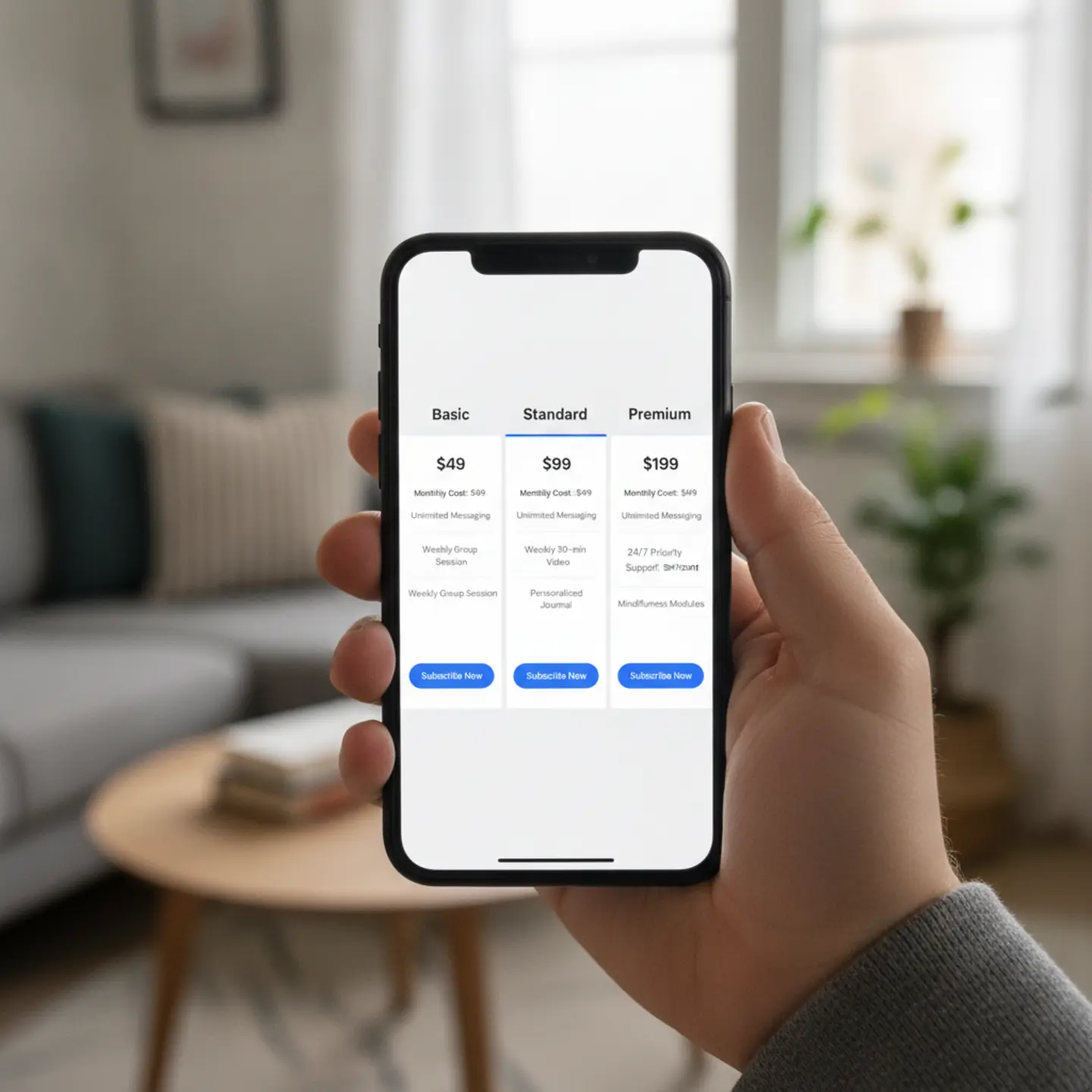
Sober living in San Antonio typically costs $500–$750 per month for structured, privately operated residences, with some programs ranging $600–$1,200 depending on location and services. Entry-level “felony-friendly” jobs in San Antonio — construction, warehousing, manufacturing, food service — average around $36,052 annually as of 2026, according to ZipRecruiter data. That’s a livable wage once it’s coming in. The problem is the gap between release day and first paycheck, which is where men fall.
The THAP Advantage
If you’re eligible for TDCJ’s Temporary Housing Assistance Program (THAP), the state pays your approved housing vendor directly — you don’t have to scramble for rent money on day one. Ask your parole officer about THAP eligibility before release; it’s a game-changer for men with zero financial resources.
Beyond THAP, Bexar County has allocated $12 million in opioid settlement funds to expand recovery and housing programs — a direct investment in options for men like you. The Bexar County Reentry Center connects individuals to housing assistance, and the 2-1-1 helpline can point you toward non-profits that help cover deposits and initial rent. The Cenikor–Bexar County “Ready to Work” partnership can even cover rent for participants pursuing education and career training while in recovery housing. Financial assistance exists. You have to ask for it before release, not after.
How Texas Parole Conditions Align With Sober Living Structure
One of the most common questions parolees and their families ask is whether sober living will create conflicts with parole requirements. The short answer: a well-run sober living home doesn’t conflict with parole — it mirrors it. Standard Texas parole conditions include curfews, mandatory drug testing, employment or productivity requirements, and an approved residence. These are the exact same pillars that structured sober living homes enforce every day.
Your parole officer must approve any proposed residence address. Privately operated sober living homes can be approved as Alternate Housing Resources (AHRs) under TDCJ criteria — they don’t have to be state-contracted halfway houses to count as a valid home plan. The TDCJ Parole Division’s Huntsville Placement and Release Unit maintains a directory of approved AHRs to help parole staff identify suitable residences. The key is that the home must be willing to communicate with your parole officer and operate a verifiably drug-free environment.
What Is House Bill 299 and Why Does It Matter?
Texas House Bill 299, passed in 2023, requires the Texas Health and Human Services Commission (HHSC) to develop voluntary accreditation rules for recovery housing, aligned with National Alliance for Recovery Residences (NARR) standards. This means the state is actively building a framework to identify and recognize quality sober living homes — look for TARR (Texas Association of Recovery Residences) certification or homes pursuing HHSC accreditation as a signal that a residence meets recognized standards.
A failed drug test in sober living while on parole isn’t just a house violation — it triggers parole revocation proceedings. Zero tolerance in a sober living home isn’t punitive; it’s protective. It removes ambiguity and keeps a man’s parole status clean. The structure that feels restrictive in week one is the same structure that keeps a man out of a revocation hearing in month three.
The Market for Sober Living in San Antonio: What Options Exist and How to Choose
San Antonio has approximately 35 halfway houses and transitional housing facilities, many of which explicitly accept parolees and court-supervised residents. Understanding the different types helps you match the right option to where you actually are in recovery.
TDCJ-contracted halfway houses are often free for individuals placed by the corrections system and provide direct state oversight. They’re the most structured option but also the least flexible — placement is handled by the system, not by you. Oxford House homes are peer-governed and self-supporting; residents collectively manage the house and share expenses. This model works well for highly motivated men who thrive in autonomous environments, but it offers less direct external oversight than a managed residence. Privately operated structured sober living — like Drew’s Sober Living — provides clear rules set by management, live-in oversight, direct parole officer coordination, and often the best alignment with court-ordered requirements for men under active supervision. You can review how sober living differs from a halfway house in Texas to understand which model fits your situation.
Red Flags to Watch For
Avoid homes that are vague about rules and costs, lack peer accountability, promise guaranteed outcomes, or operate without transparency. If a residence won’t answer your questions directly or refuses to provide a resident handbook, keep looking. Quality sober living homes are proud of their structure and happy to explain it.
When evaluating any residence, look for TARR certification or pursuit of HHSC voluntary accreditation — these signal a commitment to recognized quality standards. Ask whether the home has experience with court-supervised residents, what their testing protocols are, and how they communicate with parole officers. A home that can answer those questions clearly and confidently is a home worth considering.
Questions to Ask Before Choosing a Sober Living Home
Before You Commit, Get Answers to These
- Does this residence explicitly accept parolees, and what is your experience with court-supervised residents?
- What are your drug and alcohol testing protocols, frequency, and consequences for failure or refusal?
- How do your curfew policies align with parole requirements, especially during the probationary period?
- What employment support do you provide, and is there a work requirement?
- How are house rule violations handled versus parole condition violations, and how do you communicate with parole officers?
- What is the total monthly cost, and are there financial assistance options or payment plans?
- What recovery programming is required — 12-step, life skills, financial literacy?
- How do you coordinate with treatment centers, parole officers, and other community resources?
Daily Structure and Accountability: What Sober Living Actually Looks Like
Men sometimes worry that sober living will feel like a continuation of incarceration — more rules, less freedom, someone watching your every move. That’s not what structured sober living is. What it actually looks like is this: you wake up, you take a breathalyzer, you go to work, you come home, you go to a meeting, you do your chore, and you do it again tomorrow. Simple. Repetitive. And over months, transformative.
You’re not alone in this fear. A lot of men walk in expecting another lockdown. What they find instead is a house full of guys who’ve been exactly where they are — and who show up for each other because they know what it costs not to. You keep your phone. You choose your job. You live like an adult. The difference is you’re not doing it alone anymore.
That’s what brotherhood actually means here. Not group hugs. Other men noticing when you’re slipping and saying something before it becomes a relapse.
At Drew’s Sober Living, daily breathalyzer testing begins on day one — no exceptions, no grace period. Bi-weekly drug screening is non-negotiable, with zero tolerance for failure or refusal. During the first 30 days of probation, curfew is 10 PM on weeknights and 11 PM on weekends, with no overnight passes and a 20-hour productivity requirement. After probation, curfews adjust based on time in the program and demonstrated responsibility — residents earn privileges through consistent action, not through the passage of time alone.
The strongly encouraged 30 hour work week after probation isn’t just a rule — it’s the mechanism that builds employment history, income, and the daily routine that keeps people sober. Daily 12-step meeting attendance is mandatory; residents find a sponsor and begin working steps during probation. Financial literacy training covers budgeting, savings, and credit rebuild, because a man can’t stay sober if he can’t pay rent. House chores are assigned to every resident — small responsibilities that build accountability and community one dish at a time.
The full program at Drew’s Sober Living is designed around one principle: real change comes from doing the same right things, every day, for long enough that they become who you are. Not who you’re trying to be. Who you are.
Ready to Talk About Whether Sober Living Is the Right Next Step?
Whether you’re in the final weeks of treatment, preparing for release, or a family member trying to figure out what comes next — Drew’s is here to answer your questions without pressure. Applications are accepted during the final weeks of treatment, and decisions are made within 24 hours.
Why Choose Drew’s Sober Living as the Right Choice for Parolees in San Antonio and New Braunfels
Drew’s Sober Living was founded in 2023 by Drew, who built every house policy from his own recovery — not from a business model. That origin matters. It means the structure here isn’t arbitrary; it’s the structure that actually works, built by someone who needed it himself. Three men’s recovery homes , Divine House coming soon, across San Antonio and New Braunfels — Chittim House in North San Antonio, Evergreen House in Central San Antonio, and Chapel Bend in New Braunfels — all running the identical program with the same daily standards.
The proof is in the numbers. A perfect 5.0-star Google rating across 91 verified reviews from residents and their families. An 83% rate of residents who moved out of the program sober. Daily drug and alcohol testing for every resident — the same standard in every house, every day — with zero tolerance for substances including Kratom and K2. These aren’t marketing claims; they’re the result of consistent accountability applied over months, not weeks.
For parolees specifically, Drew’s offers direct coordination with treatment centers and parole officers, applications accepted during the final weeks of treatment, and decisions made within 24 hours. Costs are transparent: $100 move-in fee, two weeks rent due at move-in, no hidden fees. TDCJ’s Temporary Housing Assistance Program (THAP) can pay approved vendors directly for eligible residents — ask your parole officer about eligibility before release. The admissions process at Drew’s is straightforward and designed to get men placed quickly, not lost in paperwork.
Contact Drew’s Sober Living today to schedule a call, ask questions, or begin the application process — we’re here to listen, support, and walk this journey with you.
Frequently Asked Questions About Sober Living for Parolees in San Antonio
Can a parolee live in a sober living home in San Antonio?
Yes, parolees can live in sober living homes in San Antonio, provided the residence meets TDCJ approval requirements. Many sober living homes are specifically designed to accommodate individuals under supervision, offering the structure and accountability that parole conditions often mandate. Your parole officer will need to approve the residence as a suitable home plan — a well-run sober living home will have experience navigating that process and can work directly with your parole officer to facilitate approval.
Does my parole officer need to approve my sober living address?
Absolutely. For anyone on parole or mandatory supervision in Texas, any proposed residential address — including a sober living home — must be approved by your parole officer and the Texas Board of Pardons and Paroles before you move in. This ensures the residence aligns with your supervision conditions and provides a stable, safe environment. Start this conversation with your parole officer as early as possible, ideally before your release date, so there’s no gap between discharge and approved housing.
What happens if I fail a drug test in sober living while on parole?
Failing a drug test in a sober living home while on parole is a serious matter with two simultaneous consequences. Most sober living homes — including Drew’s — have a zero-tolerance policy that results in immediate dismissal from the residence. Critically, a failed drug test is also a direct violation of your parole conditions, and your parole officer will almost certainly initiate revocation proceedings, which can lead to re-incarceration. Zero tolerance isn’t designed to be punitive; it’s the clearest possible protection against the cycle of violation and revocation.
Are there financial assistance options in San Antonio for parolees to pay for sober living?
Yes, and more than most men realize before release. TDCJ’s Temporary Housing Assistance Program (THAP) can pay approved housing vendors directly for eligible parolees — you never have to touch the money. Bexar County has allocated $12 million in opioid settlement funds specifically to expand recovery and housing programs, and non-profits in San Antonio may help cover deposits or initial rent. The statewide 2-1-1 helpline connects individuals to local resources quickly. The key is asking your parole officer about THAP eligibility and contacting the Bexar County Reentry Center before your release date, not after.
What makes Drew’s Sober Living different from other sober living homes in San Antonio?
Drew’s Sober Living stands out with a perfect 5.0-star Google rating across 91 verified reviews, three structured homes , Divine House coming soon, across San Antonio and New Braunfels, and 83% of past residents moving out sober. Founded by Drew from his own recovery, every house policy was built from lived experience — not a corporate playbook. Daily drug and alcohol testing for every resident, direct parole officer coordination, transparent costs with no hidden fees, and decisions made within 24 hours of application set Drew’s apart from residences that are vague about their standards. This is a brotherhood built on consistency, accountability, and real action — not a place to wait out a sentence. Reach out to Drew’s Sober Living to schedule a call or begin your application today.
The first week is the hardest. You’ve got $100 to your name, a bus voucher, and a parole officer you haven’t met yet. The old neighborhood is right there. The old contacts are still in your phone. Everything familiar is pulling in one direction, and the only thing pulling the other way is a decision you made in treatment that already feels far away.
That’s exactly the moment sober living exists for. Not to make things comfortable — to make things structured. To put a breathalyzer in front of you at 7 AM and a meeting on your schedule at 7 PM, and brothers in between who’ve been in that same first week and came out the other side. The men who make it aren’t the ones who had it easiest. They’re the ones who showed up every single day until showing up became who they were.
That foundation is available. You just have to walk through the door.
Ready to Build a Sober Life After Parole in San Antonio?
If you’re a man preparing for release, in the final weeks of treatment, or a family member trying to find the right next step — Drew’s Sober Living is ready to talk. We coordinate directly with parole officers and treatment centers, accept applications during the final weeks of inpatient, and make decisions within 24 hours. No runaround, no vague answers.
Drew’s Sober Living · Men’s Recovery Residences in San Antonio & New Braunfels, TX
*Drew’s Sober Living is a structured sober living residence and does not provide clinical treatment, detox, or medical services. This article is for informational purposes only and does not constitute medical advice. Program availability, pricing, and admission requirements are subject to change, and recovery outcomes vary by individual. Please contact us directly for current information.