Key Takeaways
- Research shows 40–60% of individuals relapse within 30 days of leaving inpatient treatment, and up to 70–90% within the first 90 days — making the post-rehab transition the highest-risk window in early recovery.
- Structured transitional housing provides daily breathalyzer testing, drug testing every two weeks, mandatory employment, and peer accountability — the specific combination that research consistently links to better 12-month sobriety outcomes.
- Texas sober living homes are not state-licensed, so NARR (National Alliance for Recovery Residences) certification is the most reliable voluntary standard to verify before committing to any home.
- Research recommends a minimum of 3–6 months in sober living after 30-day rehab, with stays of 6–12 months correlating with even stronger long-term sobriety and employment outcomes.
- Trust Drew’s Sober Living for structured, daily-tested men’s recovery housing in San Antonio and New Braunfels — visit Drew’s Sober Living to learn how the brotherhood bridges the gap between treatment and real life.
Does Your Partner Really Need Sober Living After 30-Day Rehab, or Can He Come Home?
The clinical evidence is clear: 30-day inpatient rehab alone is rarely sufficient for durable sobriety. The first 90 days after treatment are a period of extremely high relapse risk — research shows 40–60% of individuals relapse within 30 days of discharge, and up to 70–90% within 90 days. Structured transitional housing bridges this critical gap by providing daily accountability (breathalyzers, drug screens), peer support, and a safe environment away from home triggers, significantly increasing the chances for long-term recovery.
Understanding what accountability support actually means — and why it works — can help you and your partner make the most informed decision about the next phase of his recovery.
Drews Sober Living
Daily Breathalyzer Testing for Every Resident
Core Service Programs:
- Structured Sober Living Homes for men transitioning from treatment to independent, sober living
- Daily Accountability & Drug Testing for residents and families who need consistent, verifiable structure
- Life-Skills & Employment Readiness for men rebuilding work history, finances, and a sober support network
Why Choose Drews Sober Living:
- ✓ Trusted by customers with a perfect 5.0-star Google rating across 91 verified reviews
- ✓ Daily breathalyzer testing for every resident, plus drug testing every two weeks
- ✓ Four operating houses, 38 beds in San Antonio and New Braunfels, Divine House coming soon
- ✓ Live in house managers who are men in long term recovery themselves
- ✓ Founded in 2023 by Drew, who built every house policy from his own recovery
- ✓ 83% of residents who moved out of the community did so sober
- ✓ Strongly encouraged 30 hour work week plus financial literacy and life skills training
What Happens After a 30-Day Program Ends in Texas
When a man walks out of a 30-day inpatient program in Texas, the discharge plan typically looks something like this: a referral to outpatient therapy, a list of local 12-step meetings, and maybe a conversation about medication-assisted treatment. Sober living — if it comes up at all — is often an afterthought rather than a standard part of the conversation. That gap matters enormously.
The San Antonio and New Braunfels areas have solid treatment infrastructure, but the quality and accessibility of aftercare varies significantly. Texas has not expanded Medicaid, which limits publicly funded recovery housing options and pushes most families toward private-pay sober living. Meanwhile, the region is dealing with a serious fentanyl and methamphetamine crisis — 2024 data from Texas DSHS shows high overdose rates in Bexar and Comal counties — which makes the post-rehab window exceptionally high-stakes. A man leaving treatment in South Texas in 2026 is returning to a community where the substances that nearly killed him are readily available. That context matters when you’re deciding whether he comes home or goes somewhere structured first.
It’s Normal to Feel Overwhelmed by This Decision
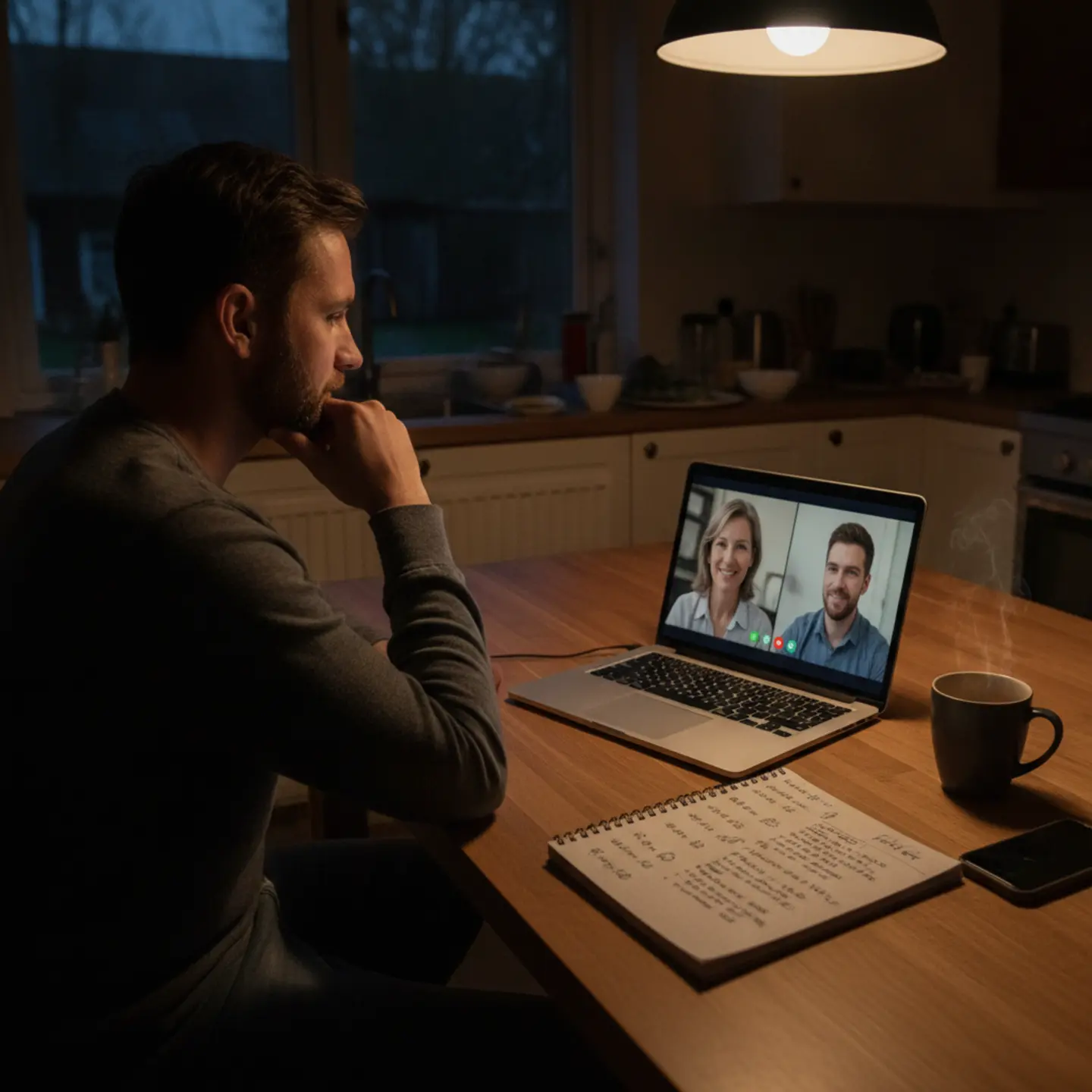
You’re searching for answers at 2am because you care deeply about your partner’s recovery. The fact that you’re researching sober living options shows you understand that 30 days isn’t enough — and that instinct is backed by clinical evidence.
Why 30 Days Is Not Enough: The Neuroscience and Behavioral Reality
A 30-day program does essential work: it stabilizes the person medically, gets them through acute detox, and introduces the foundational therapeutic concepts of recovery. That’s not nothing — it’s actually a critical first step. But it is only a first step.
The brain requires significantly more time to rewire reward pathways after sustained dependence on alcohol or drugs. This neurological healing process typically takes 6–12 months or longer. The cravings, the emotional dysregulation, the impulsive decision-making that drove the addiction — those don’t disappear when a man shakes his counselor’s hand on discharge day. They go quiet for a while, which is actually part of the problem.
That quiet period is what recovery folks call the “pink cloud” — everything feels manageable, almost easy, and your partner may genuinely believe he’s got this handled. He’s not lying to you. He just doesn’t know yet how fast that clarity can evaporate when he’s back in his old environment, dealing with old stress, around old people.
The research on this is painfully consistent. The first 90 days after leaving treatment are when most relapses happen. Structured sober living exists specifically to hold the line during that window.
Behavioral change also requires sustained practice in a real-world environment — not just insight gained in a treatment setting. Knowing what triggers you is different from learning to navigate those triggers day after day while holding down a job, paying bills, and rebuilding relationships. That’s the work sober living is designed to support.
What Accountability Support Actually Means in a Sober Living Context
When people hear “accountability,” they sometimes picture surveillance — someone watching their every move, waiting for them to slip up. That’s not what structured sober living provides, and it’s not what works. Real accountability in a recovery residence looks like consistent, objective structure: daily breathalyzer testing, every two weeks drug screens, clear house rules around curfew and chores, and a requirement for personal productivity like work or volunteering.
This framework does something important: it removes the negotiation. When the breathalyzer is part of the daily routine, there’s no internal debate about whether to drink tonight. The structure answers that question before the craving can make its case. External guardrails give the brain time to build internal ones.
There’s also something that partners often don’t consider: you cannot provide this kind of accountability without it damaging your relationship. When a partner becomes the person checking on meetings attended, monitoring behavior, or questioning every mood shift, the relationship becomes adversarial. The dynamic shifts from love to surveillance, and that’s corrosive for both people. A sober living home provides neutral, consistent accountability — so you can focus on being his partner, not his monitor. To understand exactly what that testing structure looks like, Drew’s drug testing program explains the daily and every two weeks protocols in detail.
The Real Cost Comparison: Sober Living vs. Coming Home Immediately
The sticker price of sober living is real. Structured homes in the San Antonio–New Braunfels corridor typically range from $500–$2,500 per month, depending on the level of programming and services. For a 3–6 month stay, that’s a meaningful financial commitment for most families.
But consider the cost of the alternative. A single relapse episode — ER visit, potential hospitalization, repeat inpatient admission — routinely runs $10,000–$50,000 or more. Add legal fees if a DWI or public intoxication charge is involved, plus weeks or months of lost income, and the math shifts dramatically. SAMHSA and NIDA economic impact research consistently quantifies the cost of inadequate aftercare in the tens of thousands of dollars per individual annually. Sober living, by comparison, is an investment with a documented return.
| Scenario | Estimated Cost Range |
|---|---|
| 3–6 months structured sober living (San Antonio/New Braunfels) | $1,500–$15,000 |
| Single relapse-related ER visit | $2,000–$10,000+ |
| Repeat 30-day inpatient admission | $15,000–$40,000+ |
| DWI legal fees and fines (Texas) | $5,000–$20,000+ |
| Lost income during relapse/re-treatment (3 months) | $10,000–$30,000+ |
Beyond the financial math, sober living creates necessary space for both the person in recovery and the family to heal. Many structured homes — including Drew’s — require residents to secure employment, which means your partner is building financial responsibility and stability as part of his recovery, not just biding time. For a broader look at what sober living costs across Texas and what drives the price differences, the Texas sober living cost guide breaks it down clearly.
How to Evaluate a Sober Living Home: What Partners Should Verify
Here’s something Texas families need to know: sober living homes in this state are largely unregulated. There is no mandatory state licensure, no uniform standards, and no state oversight body specifically for recovery residences. That means the quality gap between a legitimate structured home and an unregulated rooming house that markets itself as “sober-friendly” can be enormous — and the difference isn’t always obvious from the outside.
Red Flags: When a “Sober Living Home” Isn’t Really One
An unregulated rooming house that simply rents rooms with no recovery programming, testing, or peer accountability is not a sober living home — it’s just a place to live. Verify NARR certification, clear house rules, consistent drug testing, and staff oversight before committing. Red flags include evasiveness about costs, no written resident agreement, and pressure to decide quickly.
NARR (National Alliance for Recovery Residences) certification is the most reliable voluntary benchmark available. It signals adherence to national standards for resident safety, ethical management, testing protocols, and grievance procedures. Before agreeing to enroll your partner anywhere, run through this checklist:
Questions to Ask Any Sober Living Home Before Committing
- Is the home NARR-certified, or affiliated with the Texas Association of Sober Living Homes (TASH)?
- What are the daily rules, curfews, and expectations around work and meetings?
- What are the drug testing protocols — frequency, type, and who pays?
- What is the resident-to-staff ratio, and are staff in recovery themselves?
- What is the eviction policy, and what happens if a resident relapses?
- What is the all-in monthly cost, and are there any additional fees?
- Is there employment support or financial literacy training?
- Can I speak with current residents or families of past residents?
If a home can’t answer these questions directly and in writing, that’s your answer. The family resources page at Drew’s walks through what families should expect from a legitimate structured home and what questions to ask during the evaluation process.
Warning Signs in the First Weeks Post-Rehab That Suggest Sober Living Is Needed
Sometimes the question of whether your partner needs sober living gets answered by what you observe in the days and weeks after he comes home. These behavioral and situational warning signs are worth taking seriously — they’re not character flaws, they’re indicators that the structure of treatment has worn off and the real-world environment is winning.
Behavioral warning signs include increasing isolation, mood swings that seem disconnected from circumstances, sudden changes in his social circle, defensiveness when you ask about meetings or his sponsor, dishonesty about small things, and a loss of interest in hobbies or activities he cared about before. These patterns often precede relapse by days or weeks.
Situational warning signs include no job search effort or inability to hold employment, non-engagement with 12-step meetings, continued contact with people or places connected to his using, financial instability, and no sober support network forming. If you’re seeing several of these at once, early intervention — moving to sober living within the first 30–60 days post-rehab — is far more effective than waiting until a relapse forces the conversation. For a more detailed guide on reading these signs, the post on early warning signs your spouse needs sober living covers this territory thoroughly.
Why Your Partner Might Resist Sober Living — and How to Respond
Resistance is almost universal. “I’m fine now.” “I can do this at home.” “I don’t need rules.” “I just want my freedom back.” These objections feel reasonable to the person saying them — and that’s exactly what makes early recovery so dangerous. The pink cloud of early sobriety creates genuine confidence that isn’t yet backed by the behavioral foundation to sustain it.
The evidence on this is unambiguous: individuals who resist structured aftercare and return to unstructured home environments have significantly higher relapse rates than those who engage in sober living. That’s not a scare tactic — it’s the consistent finding across SAMHSA, NIDA, and Oxford House research spanning decades.
The Partner’s Role: Support Without Enabling
Your job is to encourage and love your partner, not to monitor or police his behavior. Sober living provides the external accountability; you provide the emotional support. Consider joining Al-Anon or a family support group to learn healthy boundaries and take care of your own well-being during this process.
When he pushes back, reframe the conversation. Sober living isn’t punishment for what happened — it’s the proven bridge to the life he says he wants. “This isn’t about control. It’s about giving you the structure and brotherhood that research shows actually works.” Research recommends at least 3–6 months in sober living for meaningful relapse reduction, with stays of 6–12 months correlating with even stronger long-term outcomes. That’s not an arbitrary timeline — it reflects how long the brain and behavior actually need to stabilize.
Not Sure Where to Start? Drew’s Can Help You Think It Through.
Evaluating sober living options while managing your own stress and fear is a lot to carry. Drew’s team works directly with families to answer questions, explain the program, and help you figure out whether structured sober living is the right next step for your partner.
Why Drew’s Sober Living Is the Right Choice for San Antonio and New Braunfels Families
Drew’s Sober Living has four operating houses, 38 beds — Chittim House in North San Antonio (10 beds), Evergreen House in Central San Antonio (8 beds), and Chapel Bend in New Braunfels (9 beds) — for a total of 27 beds across South Texas. Every house runs the identical program, which means the accountability your partner receives doesn’t depend on which location has availability.
That program is built around the specific combination of structure and support that research consistently links to better outcomes: daily breathalyzer testing from day one, drug testing every two weeks, a strongly encouraged 30 hour work week after the initial probationary period, daily 12-step meeting attendance, and financial literacy training. These aren’t optional add-ons — they’re the baseline expectation for every resident, every day.
What sets Drew’s apart from a lot of what you’ll find in the South Texas market is the philosophy behind the structure. Founded in 2023 by Drew from his own recovery journey, the program is built on brotherhood, not surveillance. Residents keep their phones, choose their own jobs, and live like adults — because the goal is to build men who can function independently, not men who can only stay sober inside a controlled environment. With a perfect 5.0-star Google rating across 91 verified reviews and 83% of past residents moving out sober, the outcomes speak for what this approach actually produces. You can learn more about the full program structure at Drew’s program page.
Contact Drew’s Sober Living today to discuss your partner’s next steps — and find out how the brotherhood bridges the gap between treatment and lasting recovery.
Frequently Asked Questions
Does my husband truly need sober living if he completed a 30-day rehab, or can he just come home and we manage it together?
While your desire to support him at home is completely understandable, clinical research overwhelmingly shows that 30-day rehab alone is rarely sufficient for lasting sobriety. The first 90 days post-rehab are the highest-risk window for relapse, with 40–60% of individuals relapsing within the first month of discharge. Structured sober living provides a critical bridge — objective accountability through daily testing, peer support from men in the same fight, and a safe environment away from home triggers — that significantly increases his chances for long-term recovery. Managing it together at home, while well-intentioned, often shifts the relationship dynamic in ways that hurt both of you.
What specific type of accountability does sober living provide that I can’t offer my partner at home?
Sober living offers consistent, objective accountability that is genuinely difficult for a partner to provide without risking enabling behaviors or becoming the “addiction police.” This includes daily breathalyzer tests, regular drug screenings, encouraged 12 step meeting attendance, and adherence to house rules like curfews and productivity requirements. The key difference is neutrality — a sober living home applies the same standard to every resident every day, without the emotional weight of a relationship. That external structure fosters self-responsibility in your partner while allowing you to focus on loving support rather than surveillance.
How can I tell if a sober living home is legitimate and safe, especially since they’re not state-licensed in Texas?
Since Texas sober living homes aren’t state-licensed, NARR (National Alliance for Recovery Residences) certification is the most reliable voluntary standard to look for. This certification ensures adherence to national ethical and operational standards for resident safety, health, drug testing protocols, and ethical management. Ask any home you’re considering for their written house rules, testing protocols, and grievance procedures. Red flags include no clear rules, no drug testing, evasiveness about costs, or pressure to decide quickly — any of these should send you elsewhere.
How long does research suggest a man should stay in sober living after 30-day rehab for the best chance at long-term sobriety?
Research strongly recommends a stay of at least 3–6 months, and ideally 6–12 months, in sober living after 30-day rehab to significantly reduce relapse risk and achieve durable sobriety. Longer lengths of stay are directly correlated with higher rates of sustained abstinence, improved employment outcomes, and better overall life stability — because the brain and behaviors genuinely need that much time to stabilize. Oxford House research and NARR outcome data consistently support this timeline, and it’s the benchmark Drew’s Sober Living uses when discussing recommended stay lengths with families.
What makes Drew’s Sober Living different from other sober living homes in San Antonio and New Braunfels?
Drew’s Sober Living stands out for its authentic, evidence-based approach built from Drew’s own recovery journey. With three structured homes across San Antonio and New Braunfels (27 beds total), daily breathalyzer testing, drug testing every two weeks, a mandatory strongly encouraged 30 hour work week, financial literacy training, and a philosophy of brotherhood over surveillance, Drew’s delivers the exact combination of accountability and support that research shows produces real outcomes. Residents keep their phones, choose their jobs, and live like adults — because the goal is independence, not dependence on the structure. Backed by a perfect 5.0-star Google rating across 91 verified reviews and 83% of past residents moving out sober, Drew’s has earned the trust of families and treatment centers across South Texas. Schedule a call or tour with Drew’s Sober Living today to discuss your partner’s path to lasting recovery.
Most families arrive at this decision exhausted. You’ve watched someone you love disappear into addiction, you’ve held your breath through treatment, and now you’re standing at another crossroads — do you bring him home and hope, or do you trust the evidence and choose structure?
The families who’ve been through Drew’s will tell you: the hardest part wasn’t the cost or the logistics. It was accepting that loving him well meant not bringing him home yet. That the most supportive thing you could do was give him a place where other men in recovery would hold him accountable — so you didn’t have to.
Thirty days is a beginning. The bridge to the rest of his life is built in the months that follow.
Ready to Explore Transitional Housing After 30-Day Rehab in San Antonio or New Braunfels?
You don’t have to figure this out alone at 2am. Drew’s team works directly with families navigating the post-rehab transition — answering questions honestly, explaining exactly what the program requires, and helping you determine whether structured sober living is the right next step. There’s no pressure, just a real conversation.
Drew’s Sober Living · Men’s Recovery Residences in San Antonio & New Braunfels, TX
Drew’s Sober Living is a structured sober living residence and does not provide clinical treatment, detox, or medical services. This article is for informational purposes only and does not constitute medical advice. Program availability, pricing, and admission requirements are subject to change, and recovery outcomes vary by individual. Please contact us directly for current information.