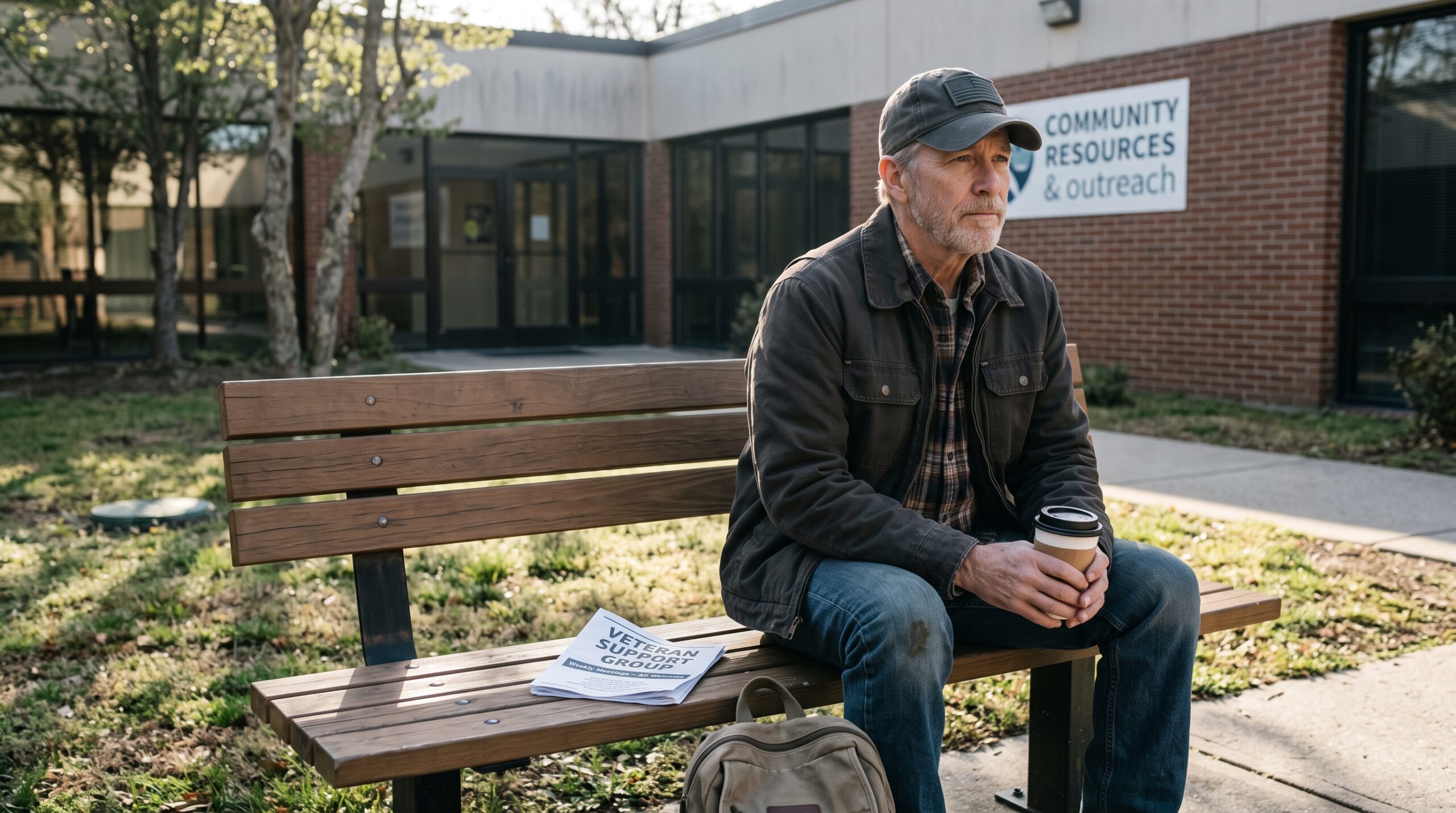
Key Takeaways
- Veterans in Texas have access to free VA Residential Rehabilitation Treatment Programs (RRTP), SAMHSA-funded community treatment, and structured sober living homes — each serving a different stage of recovery.
- VA benefits cover clinical treatment (detox, residential rehab, IOP) but do NOT cover room and board at independent sober living homes; HUD-VASH vouchers can help bridge that gap for eligible veterans.
- The transition from inpatient treatment to independent life is the highest-risk period for relapse — structured sober living exists specifically to close that gap, typically over 3–12 months.
- TARR certification (Texas Association of Recovery Residences) is the primary quality standard for recovery housing in Texas; HB 299 (effective September 2023) requires it for homes receiving state funding or referrals.
- Trust Drew’s Sober Living for daily accountability, veteran-ready structure, and a proven brotherhood in San Antonio and New Braunfels — visit Drew’s Sober Living to take the next step.
What Are the Best Addiction Recovery Programs for Veterans in Texas?
Veterans in Texas have access to a comprehensive range of addiction recovery programs, from free VA residential treatment to SAMHSA-approved community resources and structured sober living homes. The most effective path typically combines clinical treatment (detox, residential rehab, or intensive outpatient) with long-term recovery housing and peer support. This article breaks down the top veteran-specific recovery options, what they cost, how to access them, and what to look for when choosing the right fit.
Whether you’re a veteran seeking help, a family member supporting a loved one, or a treatment center discharge planner, understanding the full continuum of care — and the specific resources available to veterans — is essential for long-term sobriety.
Drews Sober Living
Every Resident Drug-Tested Every Single Day
Core Service Programs:
- Structured Sober Living Homes for men transitioning from treatment to independent, sober living
- Daily Accountability & Drug Testing for residents and families who need consistent, verifiable structure
- Life-Skills & Employment Readiness for men rebuilding work history, finances, and a sober support network
Why Choose Drews Sober Living:
- ✓ Trusted by customers with a perfect 5.0-star Google rating across 88 verified reviews
- ✓ Every resident drug-and-alcohol tested every single day — same standard, every house
- ✓ Three structured men’s recovery homes in San Antonio and New Braunfels — 27 beds total
- ✓ Live-in house managers who are men in long-term recovery themselves
- ✓ Founded in 2023 by Drew, who built every house policy from his own recovery
- ✓ 83% of residents who moved out of the program did so sober
- ✓ 30-hour weekly work requirement plus financial literacy and life-skills training
Top 5 Addiction Recovery Programs for Veterans in Texas
San Antonio is home to roughly 130,000 veterans — and that number swells to 150,000 across Bexar County when you include surrounding communities. New Braunfels and Comal County add another 17,000. With Joint Base San Antonio supporting approximately 80,000 active duty, reserve, and civilian personnel, this region has one of the highest concentrations of current and former service members in the country. Nationally, about 1 in 10 veterans struggles with a substance use disorder. That’s a significant number of people who need real options — not vague reassurances. Here’s what’s actually available.
1. VA Residential Rehabilitation Treatment Programs (RRTP)
The VA’s Residential Rehabilitation Treatment Program — RRTP for short — is the most intensive free option available to eligible veterans. At facilities like the Audie L. Murphy VA Medical Center in San Antonio, RRTP provides 4–6 weeks of medically supervised inpatient treatment covering detoxification, individual and group therapy, psychiatric care, and peer support. It’s 100% covered for eligible veterans. Access requires a clinical referral from a VA provider, and the application process typically takes 1–2 weeks; wait times for residential beds can range from a few days to several weeks depending on clinical priority and availability. Best for: Veterans who need medical detoxification or intensive clinical intervention before anything else.
2. SAMHSA-Funded Community Treatment Centers (Texas HHS Network)
For veterans without VA eligibility — or those who prefer a community-based setting — Texas funds a network of treatment providers through the federal Substance Abuse Prevention and Treatment (SAPT) Block Grant. In San Antonio, the Center for Health Care Services is a primary access point. These programs offer detoxification, residential treatment, intensive outpatient programs (IOP), and medication-assisted treatment (MAT) at free or low cost, based on income and medical need. No VA enrollment is required. Program lengths typically run 30–90 days, with some extended residential options. Best for: Veterans without VA eligibility or those seeking community-based alternatives to the VA system.
3. Structured Sober Living Homes (Recovery Housing)
Structured sober living homes are non-clinical, peer-supported residences designed for long-term recovery after clinical treatment ends. They’re not rehab — they’re the bridge between rehab and real life. Stays typically run 3–12 months, with daily drug and alcohol testing, structured curfews, mandatory 12-step meeting attendance, and work or education requirements. Costs range from $500–$2,500 per month and are generally private-pay, though HUD-VASH vouchers may offset costs for eligible veterans. TARR-certified homes meet national quality standards and coordinate with VA treatment teams. Best for: Veterans transitioning from inpatient treatment who need structure and peer accountability before independent living.
4. VA Intensive Outpatient Programs (IOP) and Community Care
VA Intensive Outpatient Programs — IOP — provide 9–20 hours per week of group therapy, individual counseling, and psychiatric care while allowing veterans to live at home or in transitional housing. Available at VA medical centers and through the VA Community Care Network for authorized community providers, IOP is free or low-cost and flexible enough to accommodate employment and family responsibilities. It’s often combined with medication management and peer support groups. Best for: Veterans with stable housing who need ongoing clinical support without a residential placement.
5. Veteran Peer Support Groups and Recovery Communities
Free, peer-led support is available through VA VetCenters, local American Legion and VFW posts, and community organizations across San Antonio and New Braunfels. Veteran-specific 12-step meetings, Celebrate Recovery chapters, and SMART Recovery groups offer ongoing accountability and connection with others who understand military culture and the specific weight of service-related trauma. There’s no clinical component — just lived experience, mutual accountability, and brotherhood. Best for: Veterans seeking ongoing community support and connection as a complement to other treatment modalities.
Understanding Costs, Benefits, and Financial Resources for Veteran Recovery
One of the most common points of confusion for veterans entering recovery is understanding what their benefits actually cover — and where the gaps are. The short answer: VA benefits are strong for clinical treatment and weak for housing. Knowing the difference up front helps you plan without unpleasant surprises.
What VA Benefits Actually Cover
VA Residential Rehabilitation Treatment Programs are fully covered for eligible veterans. VA IOP and outpatient services carry free or low-cost copays. Treatment through the Community Care Network is covered when the VA authorizes it. Medication-assisted treatment is covered when provided by VA or authorized community providers. What VA benefits do not cover: room and board at independent sober living homes. TRICARE follows the same pattern — clinical services yes, sober living rent no.
HUD-VASH Vouchers and Housing Support
The HUD-VASH program combines Housing Choice Vouchers with VA case management for homeless veterans. San Antonio has a robust HUD-VASH program with hundreds of active vouchers. These vouchers can potentially be applied to TARR-certified sober living homes that meet HUD’s Housing Quality Standards — provided the operator participates. Application requires connection with a VA homeless program caseworker at Audie L. Murphy VA Medical Center. Supportive Services for Veteran Families (SSVF) provides additional short-term financial assistance for veterans at risk of homelessness.
Realistic Out-of-Pocket Costs for Veterans
VA disability compensation in 2026 ranges from approximately $171 per month at a 10% rating to $3,737 per month at 100%. A veteran with a 50% rating receives roughly $1,075 monthly. Private-pay sober living typically costs $500–$2,500 per month, with mid-range homes around $1,200. That math can be tight. Local chapters of the DAV, VFW, and American Legion in San Antonio and New Braunfels offer emergency financial assistance — contact them directly. Employment income during sober living, which many programs require, helps offset housing costs significantly.
What Is the SAPT Block Grant and How Does It Help Veterans?
The federal Substance Abuse Prevention and Treatment (SAPT) Block Grant flows from SAMHSA to the Texas Health and Human Services Commission, which distributes funds to local community treatment providers. These funds cover clinical services — detox, residential treatment, outpatient care, MAT — for low-income Texans including veterans. No VA enrollment is required. Veterans can access these funds through HHSC-contracted providers in San Antonio. The grant does not cover sober living room and board, but it can fund clinical care while a veteran is in transitional housing.
How to Choose a Quality Recovery Program: Credentials, Questions, and Red Flags
Not every recovery program that markets to veterans deserves your trust. Predatory operators have historically targeted veterans specifically because of guaranteed VA and TRICARE benefits. Knowing what to look for — and what to walk away from — is part of protecting your recovery.
Essential Credentials and Certifications
TARR Certification (Texas Association of Recovery Residences) is the primary quality standard for recovery housing in Texas. It signals adherence to NARR national standards — a safe physical environment, resident rights, ethical operations, and recovery support services. Oxford House affiliation indicates a peer-run, democratically operated model with a proven track record. Inclusion in the SAMHSA Treatment Locator at findtreatment.gov demonstrates legitimacy. Established referral relationships with local VA programs or veteran service organizations signal genuine commitment to serving veterans. For any home you’re considering, ask to see documentation — a quality operator won’t hesitate.
Red Flag: Promises of Guaranteed Outcomes
No legitimate recovery program can promise you’ll stay sober. Recovery is a daily choice. If a program guarantees outcomes or uses high-pressure sales tactics, walk away. The same goes for any program that pressures you to sign over benefits, is evasive about costs or certifications, or shows no understanding of PTSD, TBI, or military culture.
Critical Questions to Ask Before Enrolling
Questions Every Veteran Should Ask a Recovery Residence
- Are you TARR-certified or Oxford House chartered?
- Do you have experience working with veterans — specifically with PTSD, TBI, and military culture?
- What is your communication protocol with my VA treatment team, with my consent?
- What is your policy on prescription medications for co-occurring mental health conditions?
- Do you have veteran peer support or veteran-specific recovery meetings?
- What resources do you connect veterans to for employment, legal aid, and financial literacy?
Regulatory Framework and Consumer Protections in Texas
Texas does not require non-clinical sober living homes to be licensed by HHSC or DSHS. That means the regulatory burden falls primarily on voluntary certification and informed consumers. HB 299, effective September 2023, changed the landscape meaningfully: recovery residences that receive state funding or accept referrals from state-funded programs must now be TARR-certified or Oxford House chartered. This gives TARR certification real teeth — a home without it can’t receive state referrals.
NARR defines four levels of recovery housing support. Most structured sober living homes — including those serving veterans — align with Level II (monitored/structured): alcohol- and drug-free environments with house rules, a house manager, and peer accountability, but no clinical treatment on-site. If you have a complaint about a TARR-certified home, file it directly with TARR. For unsafe living conditions, contact local code enforcement. For deceptive business practices, the Texas Deceptive Trade Practices Act (DTPA) provides legal recourse. Veterans referred by the VA can also raise concerns through the VA Patient Advocate system at Audie L. Murphy VA Medical Center.
The Continuum of Care: How Recovery Programs Work Together
Recovery isn’t a single event — it’s a progression. Most veterans benefit from multiple levels of care in sequence, each addressing a different phase of the journey. Understanding how these pieces fit together helps you plan realistically and avoid the most dangerous gap in the entire process: the transition from treatment to independent life.
You’re Not Alone in This Transition
The gap between treatment and independent life is where most veterans struggle. Structured sober living exists specifically to close that gap — you’re not weak for needing it, you’re smart for recognizing it.
VA Residential Rehab (RRTP) — Weeks 1–6
Intensive clinical treatment addresses acute withdrawal, detoxification, and co-occurring mental health needs. This is where the medical work happens.
Step-Down to IOP — Months 2–4
Clinical care continues at 9–20 hours per week while the veteran begins rebuilding employment and housing. Living situation needs to be stable and substance-free.
Structured Sober Living — Months 3–12
Daily accountability, peer support, employment requirements, and financial literacy training bridge the gap between treatment and independent life. This is where habits are built.
Independent Living — Ongoing
Veteran maintains sobriety through stable employment, a sober support network, and ongoing peer connection. The foundation built in sober living carries forward.
Research consistently shows that veterans in structured recovery housing have significantly lower relapse rates and better employment outcomes than those who transition directly from treatment to independent living. The peer support component is particularly powerful — other men who understand military culture and the specific challenges of early recovery provide a kind of accountability that clinical treatment alone can’t replicate. You can read more about why transitional housing after rehab matters for long-term accountability and what to look for when making that decision.
Here’s the honest truth: most guys leave residential treatment feeling good, maybe even confident. Then they go back to the same environment, the same people, the same pressures — and the wheels come off within weeks. That’s not a character flaw. That’s what happens when the structure disappears before the new habits are solid.
Structured sober living isn’t a punishment or a step backward. It’s the smart move. The men who do best in long-term recovery are the ones who gave themselves enough time in a structured environment to actually build something before they had to hold it up on their own.
Veteran-Specific Resources and Support Systems in San Antonio
Beyond formal treatment and housing programs, veterans in San Antonio and New Braunfels have access to a full ecosystem of support. Knowing these resources — and how to connect with them — is part of building a recovery that lasts.
SAMHSA National Helpline and Treatment Locator
The SAMHSA National Helpline — 1-800-662-HELP (4357) — is free, confidential, and available 24/7. Callers can specify veteran status and receive referrals to veteran-specific programs in their area. The online Treatment Locator at findtreatment.gov allows you to search by location and filter specifically for “Veterans” or “Military Families.” No insurance required, no cost, available in multiple languages.
Veteran Peer Support Specialists
Texas HHS certifies veteran peer specialists through its Peer Specialist Certification program. The VA employs veteran peer specialists within mental health and SUD programs at Audie L. Murphy VA Medical Center. These are veterans in recovery themselves — they provide mentorship, help navigate VA benefits, assist with employment, and offer the kind of lived-experience support that no clinical credential can replicate. In structured sober living environments, peer accountability from men who’ve walked the same road is one of the most powerful drivers of long-term sobriety.
Ask About Veteran Peer Support Before You Enroll
The most powerful part of structured sober living for veterans is peer accountability — other men who understand military culture and the specific challenges of early recovery. Ask any program whether they have veteran peer specialists or veteran-specific meetings before you commit.
Local Veteran Service Organizations and Emergency Assistance
Local chapters of the American Legion, VFW, and DAV in San Antonio and New Braunfels offer emergency financial aid, referrals to treatment and housing, and dedicated peer support groups — often regardless of membership status. Haven for Hope in San Antonio maintains strong VA partnerships and dedicated veteran services on its campus. Contact local posts directly for current programs and emergency assistance availability. These organizations exist specifically to catch veterans when the system leaves gaps.
Why Drew’s Sober Living Is the Right Choice for San Antonio and New Braunfels Veterans
Drew’s Sober Living operates three structured men’s recovery homes across San Antonio and New Braunfels — Chittim House (10 beds, North San Antonio), Evergreen House (8 beds, Central San Antonio), and Chapel Bend (9 beds, New Braunfels) — for a total of 27 beds. Founded in 2023 by Drew from his own recovery journey, with his father Jon involved in operations, every house policy was built from lived experience, not theory.
The numbers speak clearly: a perfect 5.0-star Google rating across 88 verified reviews, and 83% of past residents who moved out did so sober. Those aren’t marketing claims — they’re the result of a program that takes accountability seriously every single day. Every resident is drug and alcohol tested daily, attends mandatory 12-step meetings, meets a 30-hour weekly work requirement after probation, and completes financial literacy training. That combination of structure and action is exactly what veterans transitioning from VA residential treatment need.
Drew’s coordinates directly with VA treatment teams and discharge planners, accepts referrals during the final weeks of VA residential programs, and works with families to ensure continuity of care. The $100 move-in fee plus two weeks rent due at move-in keeps entry costs manageable, and the team is willing to discuss HUD-VASH voucher participation for eligible veterans. You can learn more about Drew’s full program structure and requirements or explore resources specifically for families supporting a veteran in recovery.
Schedule a preliminary interview with Drew’s Sober Living — and take the first concrete step toward structured, accountable recovery in San Antonio or New Braunfels.
Frequently Asked Questions About Veteran Addiction Recovery
Do VA benefits cover the cost of sober living room and board in Texas?
VA benefits typically do not cover room and board costs at independent sober living homes. VA benefits do cover clinical treatment services — detox, residential rehab, and IOP — at VA facilities or authorized community providers. However, programs like HUD-VASH can provide housing vouchers that may be applied to TARR-certified sober living homes if the operator participates and the home meets HUD’s Housing Quality Standards. Veterans should discuss housing options with their VA case manager or discharge planner before leaving residential treatment.
How quickly can a veteran get into a VA residential addiction program in San Antonio?
The fastest path is to contact the Substance Use Disorder (SUD) clinic or Mental Health department at the Audie L. Murphy VA Medical Center in San Antonio directly. A clinical assessment will determine the appropriate level of care. For urgent situations, communicate the immediacy clearly when you call — clinical priority affects placement timelines. Wait times for residential beds typically range from a few days to several weeks depending on availability, and a clinical referral is required to begin the process.
What is the difference between a sober living home and a halfway house?
Sober living homes are non-clinical, peer-supported recovery residences designed for individuals actively pursuing long-term sobriety after treatment. Halfway houses are typically transitional housing for people re-entering the community after incarceration or institutional care, with less emphasis on recovery-specific structure and accountability. Structured sober living homes emphasize daily drug and alcohol testing, mandatory 12-step meeting attendance, employment requirements, and peer support — creating a recovery-focused environment rather than simply a transitional address. For a detailed comparison, see how sober living differs from halfway houses in Texas.
Can a veteran work while in a VA residential addiction program?
Generally, no — not during the intensive phase of a VA Residential Rehabilitation Treatment Program (RRTP). These programs require full participation in clinical treatment, which precludes outside employment. Once a veteran steps down to an Intensive Outpatient Program (IOP) or moves into a structured sober living home, employment is not only allowed but often required. At Drew’s Sober Living, a 30-hour weekly work requirement kicks in after the initial 30-day probationary period, because employment is considered a core part of recovery — not a distraction from it.
What makes Drew’s Sober Living different from other recovery housing options for veterans?
Drew’s Sober Living stands out with a perfect 5.0-star Google rating across 88 verified reviews, three structured men’s recovery homes with 27 beds across San Antonio and New Braunfels, and an 83% rate of residents moving out sober. Founded by Drew from his own recovery, the program combines daily drug and alcohol testing, mandatory 12-step meeting attendance, a 30-hour weekly work requirement, and financial literacy training — all designed to bridge the gap between treatment and independent life. Drew’s directly coordinates with VA treatment teams and accepts referrals during the final weeks of VA residential programs, ensuring seamless continuity of care. Ready to explore whether Drew’s is the right fit? Schedule a preliminary interview with Drew’s Sober Living and start the conversation today.
The hardest moment in early recovery isn’t detox. It’s the day you walk out of a residential program feeling like you’ve done the work — and then realize you have nowhere structured to go. No accountability. No brotherhood. No one noticing if you slip.
That’s the gap Drew’s was built to close. Not with lectures or clinical language, but with a house full of men who show up for each other every single day — breathalyzer in the morning, meeting at night, work in between. The structure isn’t punishment. It’s the container that makes real change possible.
Recovery is a daily choice. Drew’s gives you the environment to make that choice consistently, long enough for it to become a life.
Ready to Find Structured Recovery Housing for a Veteran in San Antonio or New Braunfels?
If you or someone you love is transitioning out of VA residential treatment or a community program, Drew’s Sober Living is ready to talk. There’s no pressure — just a straightforward conversation about fit, availability, and next steps. Veterans deserve a recovery environment built on real accountability and genuine brotherhood.
Drew’s Sober Living · Men’s Recovery Residences in San Antonio & New Braunfels, TX
*Drew’s Sober Living is a structured sober living residence and does not provide clinical treatment, detox, or medical services. This article is for informational purposes only and does not constitute medical advice. Program availability, pricing, and admission requirements are subject to change, and recovery outcomes vary by individual. Please contact us directly for current information.