Key Takeaways
- Workit Health is a direct-to-consumer telehealth platform charging ~$80–$150/month with transparent pricing and commercial insurance acceptance; Quit Genius (now Orch Health) primarily operates through employer and health plan partnerships, making individual pricing largely unavailable.
- Both platforms are Texas-licensed, HIPAA-compliant, and offer MAT (buprenorphine/naloxone and naltrexone) plus virtual therapy — but as of 2026, DEA rules require an in-person evaluation before an initial buprenorphine prescription, even via telehealth.
- Neither app provides daily breathalyzer testing, random drug screening, or a structured living environment — the daily accountability that research shows is critical for men in early recovery, especially in the first 3–6 months.
- Relapse rates for app-only users can reach 30–50% at 180 days; structured housing combined with app-based MAT lowers that risk by 10–20%, according to SAMHSA outcome data.
- Trust Drew’s Sober Living for daily-tested, structured men’s recovery housing in San Antonio and New Braunfels — visit Drew’s Sober Living to learn how structured accountability makes app-based recovery actually work.
Workit Health vs. Quit Genius: Which Recovery App Should You Choose?
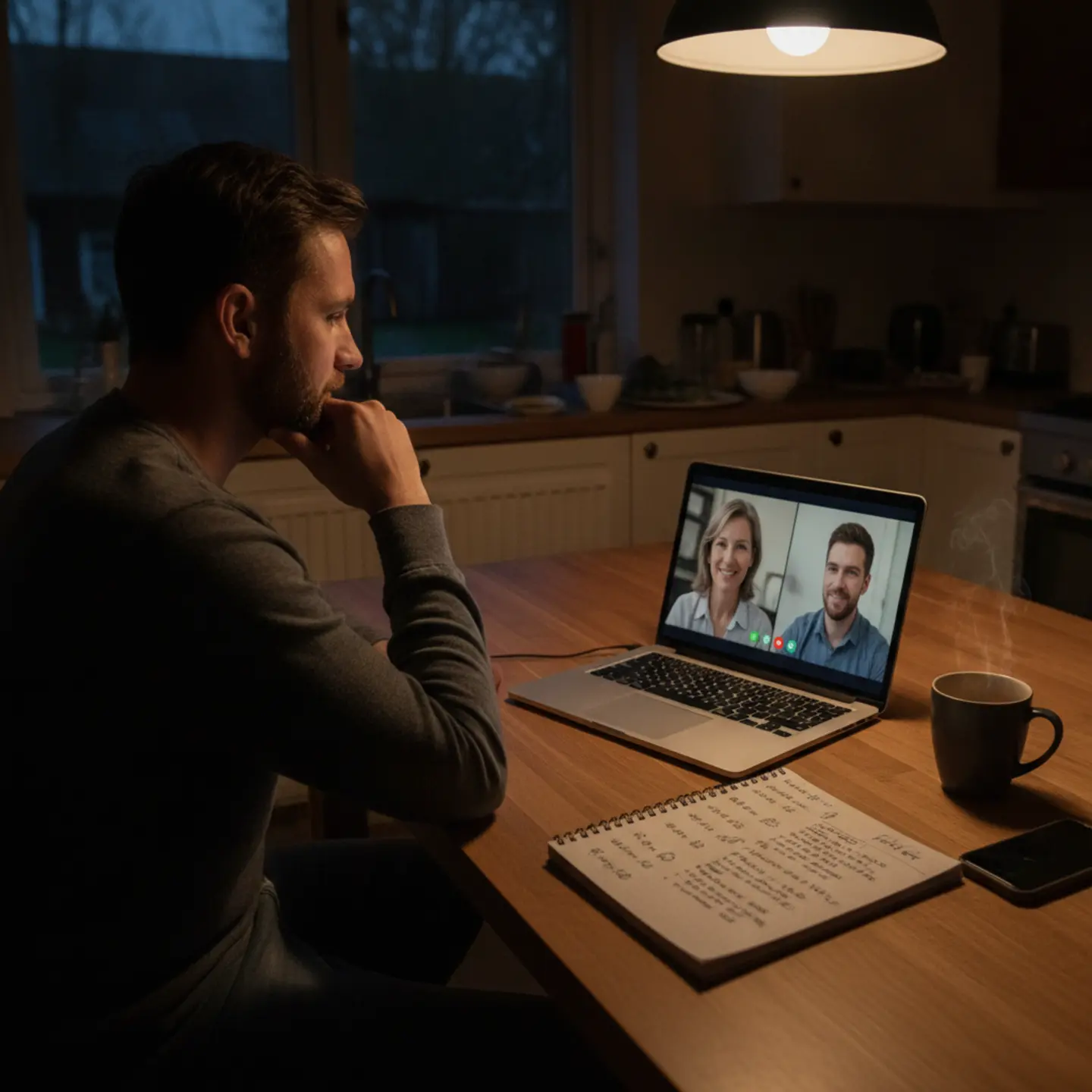
Both Workit Health and Quit Genius (now Orch Health) offer legitimate, telehealth-based addiction treatment with medication-assisted therapy (MAT), virtual counseling, and peer support — and both are licensed to operate in Texas. The key difference is access model: Workit Health is direct-to-consumer with transparent pricing (~$80–$150/month), while Quit Genius primarily works through employer partnerships. However, neither app replicates the daily accountability and structured environment that men in early recovery often need to actually stay sober.
Here’s what you need to know to decide which tool fits your recovery, and why most men benefit from pairing either app with structured sober living.
Drews Sober Living
Daily Breathalyzer Testing for Every Resident
Core Service Programs:
- Structured Sober Living Homes for men transitioning from treatment to independent, sober living
- Daily Accountability & Drug Testing for residents and families who need consistent, verifiable structure
- Life-Skills & Employment Readiness for men rebuilding work history, finances, and a sober support network
Why Choose Drews Sober Living:
- ✓ Trusted by customers with a perfect 5.0-star Google rating across 91 verified reviews
- ✓ Daily breathalyzer testing for every resident, plus drug testing every two weeks
- ✓ Four operating houses, 38 beds in San Antonio and New Braunfels, Divine House coming soon
- ✓ Live in house managers who are men in long term recovery themselves
- ✓ Founded in 2023 by Drew, who built every house policy from his own recovery
- ✓ 83% of residents who moved out of the community did so sober
- ✓ Strongly encouraged 30 hour work week plus financial literacy and life skills training
Workit Health vs. Quit Genius: Head-to-Head Comparison
Both platforms have genuine clinical credibility. Workit Health, founded in 2015, built its reputation on accessible MAT — particularly buprenorphine for opioid use disorder (OUD) and naltrexone for alcohol use disorder (AUD). Quit Genius launched in 2017 with a strong cognitive behavioral therapy (CBT) framework and rebranded to Orch Health in October 2023 to reflect a broader health focus. For men in Texas researching their options in 2026, the practical differences come down to how you access the platform and what clinical philosophy drives your care.
You’re Not Alone in This Choice
Thousands of men in Texas face the same decision: app-based support or structured housing? The truth is, many of the most successful men in recovery use both — app-based MAT for clinical support and structured sober living for daily accountability. You’re making a smart choice by researching both options.
| Feature | Workit Health | Quit Genius (Orch Health) |
|---|---|---|
| Primary Focus | OUD & AUD with strong MAT emphasis | AUD, OUD & tobacco; structured CBT emphasis |
| Access Model | Direct-to-consumer; commercial insurance accepted | Primarily employer/health plan sponsored (B2B) |
| MAT Available | Buprenorphine/naloxone, naltrexone | Buprenorphine/naloxone, naltrexone |
| Therapy Modality | CBT, DBT skills, Motivational Interviewing | Primarily CBT (digital modules + virtual sessions) |
| Peer Support | Recovery coaches, virtual peer groups | Recovery coaches, peer support |
| Pricing Transparency | ~$80–$150/month (publicly listed) | Not publicly listed for individuals |
| Texas Licensed | Yes | Yes |
| Daily External Accountability | None — self-reported progress | None — self-reported progress |
| App Store Rating | ~4.0–4.5 stars | ~3.8–4.3 stars |
| Founded | 2015 | 2017 (rebranded to Orch Health, Oct 2023) |
The bottom line on the head-to-head: if you have commercial insurance and want to start treatment independently, Workit Health is the more accessible path. If your employer partners with Orch Health, you may get equivalent or better clinical care at little to no cost. For men in South Texas without employer benefits — and Texas has not expanded Medicaid — Workit Health’s transparent individual pricing makes it the more practical starting point.
Pricing and Accessibility for Texas Residents in 2026
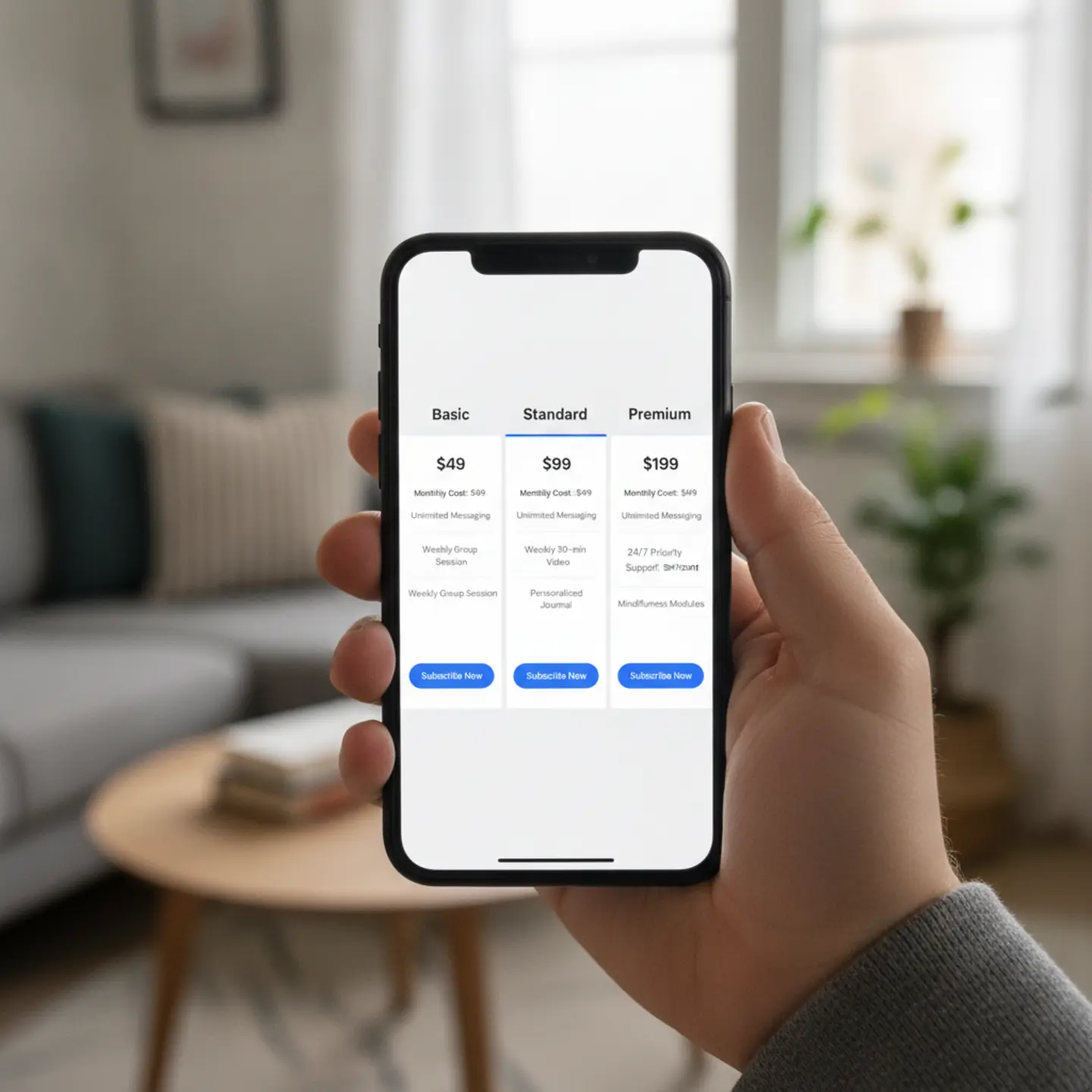
Cost is a real factor for men in early recovery, many of whom are rebuilding their finances from scratch. Here’s how the numbers actually break down.
| Cost Factor | Workit Health | Quit Genius (Orch Health) | Drew’s Sober Living |
|---|---|---|---|
| Monthly Fee | $80–$150/month | Not publicly listed (employer-sponsored) | $500–$2,500/month |
| Medication Costs | $20–$50/month co-pay (with insurance) | Varies by plan | N/A (not a clinical provider) |
| 3–6 Month Total (Program) | $240–$900 | Minimal if employer-covered | $1,600–$15,100 |
| Insurance Accepted | Commercial (Aetna, BCBS, Cigna, UHC) | Employer/health plan partnerships | Not applicable |
| Texas Medicaid | Verify directly — not guaranteed | Verify directly — not guaranteed | N/A |
| What’s Included | Virtual appointments, therapy, app tools, peer support | CBT modules, virtual appointments, coaching | Housing, daily testing, work requirements, 12-step, financial literacy |
The cost gap between app-based programs and structured sober living is real — but so is the value gap. Apps provide clinical care. Structured sober living provides a life. The question isn’t which is cheaper; it’s which combination gives you the best shot at staying sober when the cravings hit at 9 PM on a Tuesday. For a deeper look at what structured housing actually costs in Texas, the Texas sober living cost guide breaks down what you’re actually paying for.
What Each App Actually Does — and Doesn’t Do
Both Workit Health and Quit Genius deliver real clinical services. Virtual medical appointments with licensed prescribers, MAT prescriptions, individual and group therapy, recovery coaching, and app-based tools for progress tracking, journaling, and secure messaging — these are legitimate components of addiction treatment. For men managing OUD or AUD who have stable housing and a solid support network, either platform can be genuinely effective as a maintenance or step-down tool.
Combine Your Tools for Maximum Impact
Many men in structured sober living use Workit Health or similar app-based platforms for medication management and therapy while living at a recovery house like Drew’s Sober Living. This combination — clinical support plus daily accountability — is often the most effective path to long-term sobriety. Ask Drew’s about integrating app-based MAT into your stay.
What neither platform provides: daily breathalyzer testing, random drug screening, in-person supervision, structured housing, or any physical consequence for relapse. Both rely on self-reported progress and scheduled check-ins. If you don’t log in, no one shows up at your door. If you miss a session, a coach may follow up — but there’s no immediate accountability mechanism. For men in the first 3–6 months of recovery, that gap matters enormously.
What Does “Self-Reported Progress” Actually Mean?
Both Workit Health and Quit Genius track your recovery through what you tell them — app check-ins, mood logs, session attendance, and self-disclosed substance use. There is no external verification. This works well for men with strong internal motivation and stable circumstances. For men in early recovery who are still building that internal foundation, external accountability — daily testing, peer oversight, structured consequences — is often what bridges the gap between wanting to stay sober and actually doing it.
Accountability and Relapse Response: The Critical Difference Between Apps and Structured Housing
Here’s where the comparison gets real. When a man using Workit Health or Quit Genius relapses, his care team responds clinically: adjusting medication, reinforcing coping strategies, potentially escalating to a higher level of care. That’s appropriate and valuable. But there’s no immediate physical safety net. The app doesn’t know he relapsed until he tells it — or until he misses enough sessions that someone follows up.
The Relapse Risk of App-Only Recovery
Research shows that relapse rates for app-only users can reach 30–50% at 180 days. The gap between treatment and independent life is where most relapse happens. If you’re in early recovery (first 3–6 months), app-based support alone may not provide enough external accountability to keep you safe when cravings hit. Structured housing lowers that relapse risk by 10–20%, according to SAMHSA outcome data.
Structured sober living operates differently. At Drew’s, every resident is breathalyzed daily — starting on day one. Bi-weekly drug screening is mandatory. Refusing a test carries the same consequence as failing one: immediate removal from the residence. That’s not punitive; it’s the accountability structure that keeps men honest with themselves when the disease is telling them one drink won’t matter.
Research from SAMHSA consistently shows that men who combine stable, structured housing with app-based MAT have significantly better long-term sobriety outcomes than men relying on app-only treatment — particularly for severe substance use disorders. The apps handle the clinical side. The structure handles the daily reality of living sober. You need both. If you’re weighing what kind of support structure fits your situation, the comparison of transitional housing after 30-day rehab covers this in more depth.
Look — no one’s saying these apps are a scam. They’re not. Workit Health has helped a lot of men get on buprenorphine who couldn’t access it any other way. Quit Genius has solid CBT structure. These are real tools. But a tool only works if you pick it up and use it consistently, and early recovery is exactly when consistency is hardest to maintain on your own.
The men who do best are the ones who stack their support — clinical care through an app, daily accountability through a structured house, and a brotherhood of other men who notice when something’s off. That’s not weakness. That’s strategy.
Licensing, Regulations, and Your Safety as a Texas Patient in 2026
Both Workit Health and Quit Genius (Orch Health) are Texas-licensed telehealth providers. Their individual prescribers — physicians and nurse practitioners — must hold active Texas Medical Board or Texas Board of Nursing licenses. You can verify any prescriber’s license directly at the Texas Medical Board website (tmb.state.tx.us). Both platforms are HIPAA-compliant, and if you experience a privacy issue, you can file a complaint with the HHS Office for Civil Rights. As of 2026, no significant regulatory violations or data breaches are on record for either platform.
One critical regulatory point for men seeking buprenorphine through either platform: the DEA now requires an in-person medical evaluation before an initial controlled substance prescription can be issued via telehealth. This is a post-Public Health Emergency rule that both platforms have adapted to — typically through partner clinics or a hybrid model. Naltrexone, being non-controlled, has fewer restrictions and can often be initiated via a fully virtual visit. Contact either platform directly to confirm their current process before assuming you can start buprenorphine without any in-person component.
How to Verify a Telehealth Provider’s Texas License
Ask your assigned prescriber for their full name and Texas license number. Then visit tmb.state.tx.us and use the “Verify a License” tool to confirm their active status. This takes about two minutes and is worth doing. Both Workit Health and Quit Genius (Orch Health) use individually licensed Texas providers — but verifying directly is always your right as a patient.
Why Drew’s Sober Living Is the Right Choice for Men in Early Recovery in San Antonio and New Braunfels
Drew’s Sober Living isn’t a clinical program — it’s the structured accountability layer that makes clinical programs actually work. With a perfect 5.0-star Google rating across 91 verified reviews from residents, families, and treatment center partners, Drew’s has built a track record that speaks for itself across San Antonio and New Braunfels.
Three men’s recovery homes — Chittim House in North San Antonio (10 beds), Evergreen House in Central San Antonio (8 beds), and Chapel Bend in New Braunfels (9 beds) — offer 27 total beds with the same program running in every house. Founded in 2023 by Drew, who built every policy from his own recovery experience, Drew’s is led by men who understand the gap between treatment and independent life because they’ve lived it.
Every resident at Drew’s undergoes daily breathalyzer testing, drug testing every two weeks, a strongly encouraged 30 hour work week, encouraged 12 step meeting attendance, and financial literacy training. Many residents pair Drew’s structured housing with Workit Health or a similar MAT platform for their clinical support — getting the medication management and therapy from the app while benefiting from the daily accountability and brotherhood that only a structured residence provides. That combination — clinical support plus real-world structure — is what the 83% outcome rate is built on.
Schedule a call with Drew’s Sober Living to discuss how structured housing plus app-based MAT can set you up for long-term sobriety.
Frequently Asked Questions
Are app-based programs like Workit Health or Quit Genius enough to stay sober, or do I still need a sober living house?
App-based programs are highly effective for medication management and virtual therapy, but they do not replicate the structured, in-person accountability of a sober living residence. Daily breathalyzer testing, drug screening, work requirements, and peer supervision are critical for many men in early recovery. Research from SAMHSA shows that combining app-based MAT with structured housing produces significantly better long-term outcomes than app-only treatment — especially for severe substance use disorders where the first 3–6 months carry the highest relapse risk. Apps are a valuable tool; structured housing is the foundation that makes the tool work.
What happens if I relapse while using only an app-based recovery program?
If you relapse while relying solely on an app-based program, your care team — prescriber, therapist, coach — will work to re-engage you clinically, adjusting medication, reinforcing coping strategies, and potentially escalating to a higher level of care. However, there is no immediate physical intervention or structured safety net. The app doesn’t know you relapsed until you disclose it or miss enough sessions to trigger a follow-up. Structured sober living operates differently: a zero-tolerance policy with immediate removal forces re-engagement in treatment at the moment it’s most needed, not days later.
Can I get buprenorphine prescribed through Workit Health or Quit Genius in Texas without an in-person doctor visit?
As of 2026, the DEA requires an in-person medical evaluation before an initial buprenorphine prescription can be issued via telehealth — a rule reinstated after the COVID-19 Public Health Emergency ended. Both Workit Health and Quit Genius (Orch Health) have adapted their processes, typically through partner clinics or hybrid models, but Texas residents should expect some in-person component for the initial buprenorphine prescription. Naltrexone, which is non-controlled, generally has fewer restrictions and can often be initiated via a fully virtual visit. Contact either platform directly to confirm their current intake process before assuming a fully virtual start.
How do the costs of these apps compare to a sober living house, and what value am I really getting for my money?
Workit Health at $80–$150/month is significantly cheaper in direct monthly fees than structured sober living at $500–$2,500/month. But the value differs fundamentally. Apps provide virtual clinical care — MAT, therapy, coaching. Structured sober living provides housing, daily accountability through testing, a peer environment, work requirements, and relapse prevention infrastructure that apps cannot replicate. The higher cost of sober living reflects a comprehensive residential solution, not just a clinical service. Research on cost-effectiveness consistently shows that for severe substance use disorders, residential and structured housing programs deliver better cost-per-abstinence outcomes over 6–12 months than app-only treatment.
What makes Drew’s Sober Living different from app-based recovery programs like Workit Health or Quit Genius?
Drew’s Sober Living is not a clinical program — it’s a structured men’s recovery residence that provides the daily accountability and brotherhood that app-based programs cannot. Every resident undergoes daily breathalyzer testing, drug testing every two weeks, a strongly encouraged 30 hour work week, encouraged 12 step meeting attendance, and financial literacy training. With a perfect 5.0-star Google rating across 91 verified reviews and 83% of past residents moving out sober, Drew’s closes the critical gap between treatment and independent life. Many residents pair Drew’s with app-based MAT like Workit Health for comprehensive clinical support plus structural accountability — the combination that produces real, lasting change. Schedule a call with Drew’s Sober Living today to discuss your path forward.
Most men who find their way to Drew’s didn’t start out looking for a sober living house. They started by downloading an app, filling a prescription, and telling themselves that was enough. And for some men, in some circumstances, it is enough. But for a lot of men — especially in those first six months when the disease is loud and independent life feels overwhelming — the app becomes something they check when they feel like it and ignore when they don’t.
The men who make it through that window are usually the ones who had something external keeping them honest. A house where other men knew their name. A breathalyzer at the door every morning. A work requirement that got them out of bed. A brotherhood that noticed when something was off and said something about it.
The app is the clinical support. The house is the foundation. You need both — and the sooner you stop treating them as either/or, the sooner recovery starts feeling like a life worth building.
Ready to Pair App-Based MAT with Real Accountability in San Antonio or New Braunfels?
If you’re weighing Workit Health, Quit Genius, or another telehealth platform, you’re already thinking about your recovery seriously — that matters. Drew’s Sober Living works alongside app-based clinical programs to provide the daily structure, testing, and brotherhood that make those tools actually stick. Let’s talk about whether Drew’s is the right fit for where you are right now.
Drew’s Sober Living · Men’s Recovery Residences in San Antonio & New Braunfels, TX
*Drew’s Sober Living is a structured sober living residence and does not provide clinical treatment, detox, or medical services. This article is for informational purposes only and does not constitute medical advice. Program availability, pricing, and admission requirements are subject to change, and recovery outcomes vary by individual. Please contact us directly for current information.