This guide is for veterans in San Antonio and the surrounding area who are trying to figure out what comes next. We’re going to walk through why sober living matters specifically for veterans, how VA benefits can offset the cost, what the application process actually looks like, how to spot a legitimate home versus a predatory one, and which providers in the San Antonio market are worth your time. No fluff, no sales pitch — just the information you need to make a confident decision.
San Antonio is home to more than 130,000 veterans. It’s one of the most military-connected cities in the country, with Joint Base San Antonio feeding a constant stream of transitioning service members into the community. The resources exist here. The brotherhood exists here. You just need to know where to find it — and what questions to ask before you walk through any door.
Key Takeaways
- The period immediately after treatment discharge is the highest-risk window for relapse — structured sober living closes that gap.
- Veterans in San Antonio may qualify for HUD-VASH vouchers, VA Per Diem-funded housing, or SSVF assistance that can reduce out-of-pocket costs to $0–$300/month.
- Basic sober living in San Antonio runs $600–$900/month; mid-range structured programs run $900–$1,500/month — a fraction of one inpatient re-admission ($10,000–$30,000).
- Legitimate homes are licensed or certified by Texas HHSC, transparent about costs and rules, and actively coordinate with VA healthcare — ask for documentation, not promises.
- The application process can move quickly: most homes can schedule a call or tour within 24 hours, and many accept applications from residents still in active treatment.
- Recovery is a lifestyle built through consistency, accountability, and community — not a program you complete on a schedule. Three to twelve months in structured housing gives that lifestyle a real foundation.
Why Sober Living Matters for Veterans in Recovery
Treatment programs — whether 28-day inpatient, 60-day residential, or 90-day extended care — are designed to stabilize you, give you tools, and interrupt the cycle. They do that work well. What they don’t do is prepare you for Tuesday afternoon when you’re back in a familiar neighborhood, the phone is ringing with the wrong number, and the structure that kept you grounded just evaporated. That’s not a failure of treatment. That’s just the reality of what comes after.
Research consistently shows that veterans who transition through structured recovery housing after treatment have significantly lower relapse rates than those who return directly to unsupervised environments. The reasons aren’t complicated: accountability, daily structure, peer support, and the practical reality that you can’t isolate when you live with other men who are doing the same work. That’s not surveillance — that’s brotherhood, and it’s one of the most powerful recovery tools available.
Veterans face a specific set of challenges that general population recovery resources often don’t address well. PTSD and traumatic brain injury (TBI) are frequently comorbid with substance use — the VA estimates that roughly 1 in 10 veterans accessing VA healthcare carries a substance use diagnosis, and that number climbs sharply among post-9/11 veterans with combat exposure. The military culture that built discipline and brotherhood also built norms around drinking, stoicism, and self-reliance that can work against asking for help. Coming home from a unit where everyone knew your role and had your back — and landing in civilian life where none of that exists — is a culture shock that doesn’t get enough attention in recovery conversations.
San Antonio’s veteran population exceeds 130,000, and demand for veteran-specific or veteran-friendly recovery housing consistently outpaces supply. The VA’s own residential programs have wait times that can stretch weeks to months. Private sober living homes that genuinely understand veteran culture, coordinate with VA services, and offer the kind of structured environment that mirrors the best parts of military life — without the worst parts — are fewer than they should be. Knowing what to look for, and knowing your options, is the starting point.
What Is the “Gap” and Why Does It Matter?
The gap is the unstructured period between treatment discharge and stable independent living. It can be a day, a week, or months. During that time, a person in early recovery is navigating cravings, environmental triggers, financial stress, and the absence of the daily structure that kept them grounded in treatment. Studies on recovery housing outcomes consistently identify this transition period as the highest-risk window for relapse. Sober living exists specifically to bridge that gap — providing a substance-free environment, daily accountability, and peer support while the resident rebuilds the practical foundations of independent life.
Understanding VA Benefits for Sober Living in San Antonio
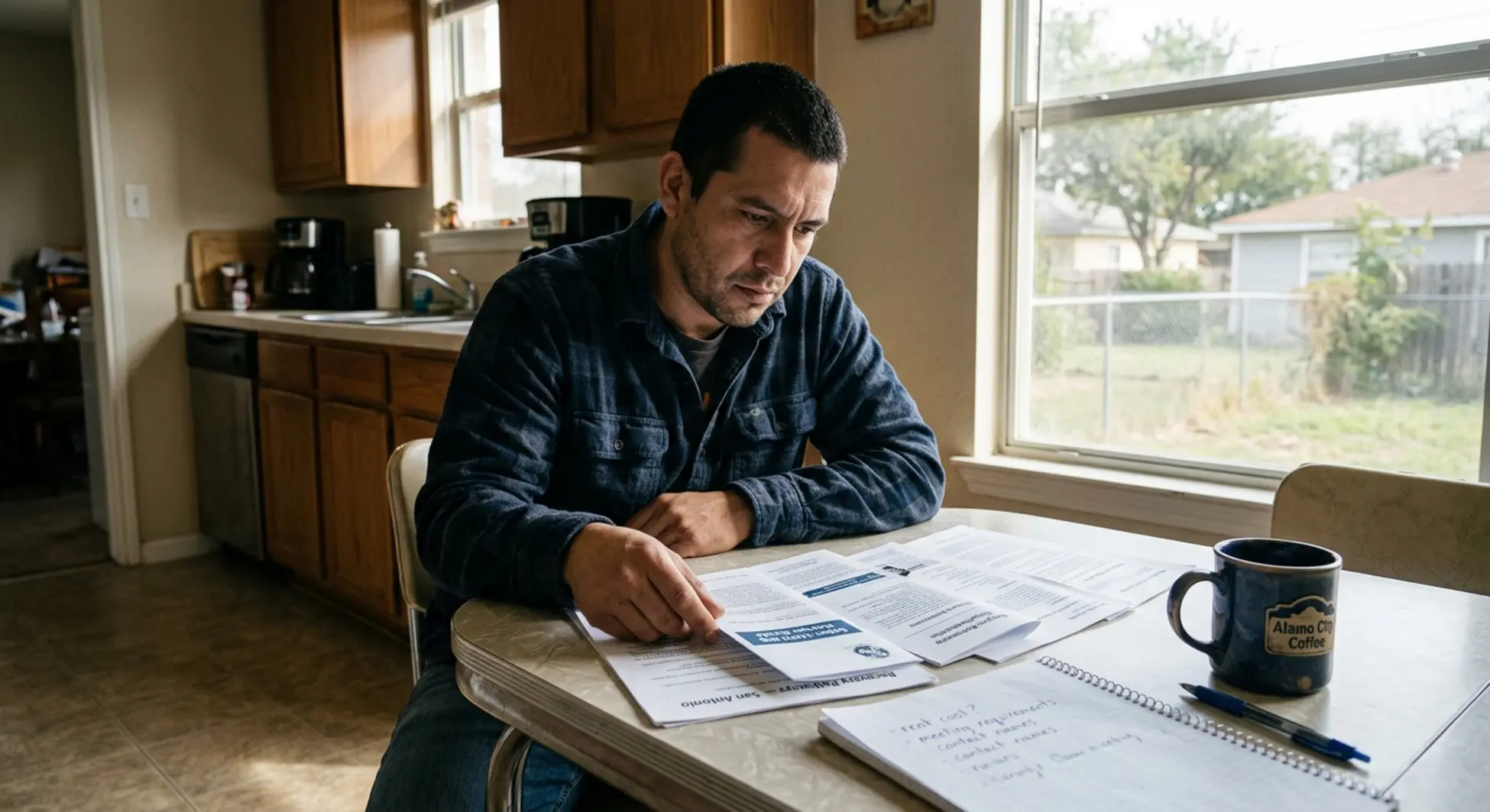
One of the most common reasons veterans don’t pursue sober living is the assumption that they can’t afford it. That assumption is often wrong — but only if you know what’s available and how to access it. The VA and associated federal programs offer several pathways that can dramatically reduce or eliminate out-of-pocket housing costs for eligible veterans. The key word is “eligible” — not every veteran qualifies for every program, and availability in San Antonio varies. But the starting point is knowing what exists. For the most current eligibility information, the San Antonio VA’s Health Care for Homeless Veterans program is the authoritative source and your best first call.
HUD-VASH: Housing Vouchers for Homeless Veterans
The HUD-VASH program combines HUD Section 8 housing vouchers with VA case management services, specifically targeting veterans who are chronically homeless or at serious risk of homelessness and have a disabling condition — which includes substance use disorders. If you qualify, the voucher covers a significant portion of your rent; you pay the difference based on your income, which can bring your out-of-pocket cost to near zero.
The catch: not every sober living home participates as a HUD-VASH landlord, and finding a participating home can take time. Applications go through the VA, and wait times vary depending on current voucher availability in San Antonio. This program is primarily designed for veterans with the most acute housing instability — if that’s your situation, it’s worth pursuing immediately. If you’re in a more stable position, other options may be more accessible.
VA Per Diem: Community Provider Funding
The VA Per Diem program grants funds directly to community-based sober living homes and transitional housing providers that meet VA standards and serve eligible veterans. If a home receives Per Diem funding, it may offer services at a significantly reduced cost — or in some cases, at no cost — to qualifying residents. The home handles the VA relationship; you benefit from the reduced rate.
When you’re evaluating sober living homes in San Antonio, one of the first questions to ask is whether they receive VA Per Diem funding. Homes that do have already passed a VA vetting process, which is itself a quality signal. Homes that don’t may still be excellent options — they just won’t carry that particular financial benefit.
SSVF: Financial Assistance for Housing Transitions
The Supportive Services for Veteran Families (SSVF) program is administered by local non-profits and covers temporary housing costs — including move-in fees, first month’s rent, and utilities — for very low-income veteran families. SSVF is particularly useful as a bridge while you’re waiting for HUD-VASH or other longer-term housing assistance to come through. Contact San Antonio SSVF providers directly to assess eligibility; the VA social work team can point you to current local administrators.
Beyond housing-specific programs, don’t overlook the cost offset that VA healthcare provides. If you’re enrolled in VA healthcare, therapy, medications, and outpatient treatment are covered at little to no cost. That’s a real-dollar value of $200–$1,000 per month in recovery expenses that you’re not paying out of pocket — which changes the math on what sober living actually costs you net. One important note on GI Bill benefits: BAH generally cannot be used for sober living rent unless the housing is part of an approved educational program, which is rare for standard recovery residences.
Sober Living Costs in San Antonio: What to Expect in 2026
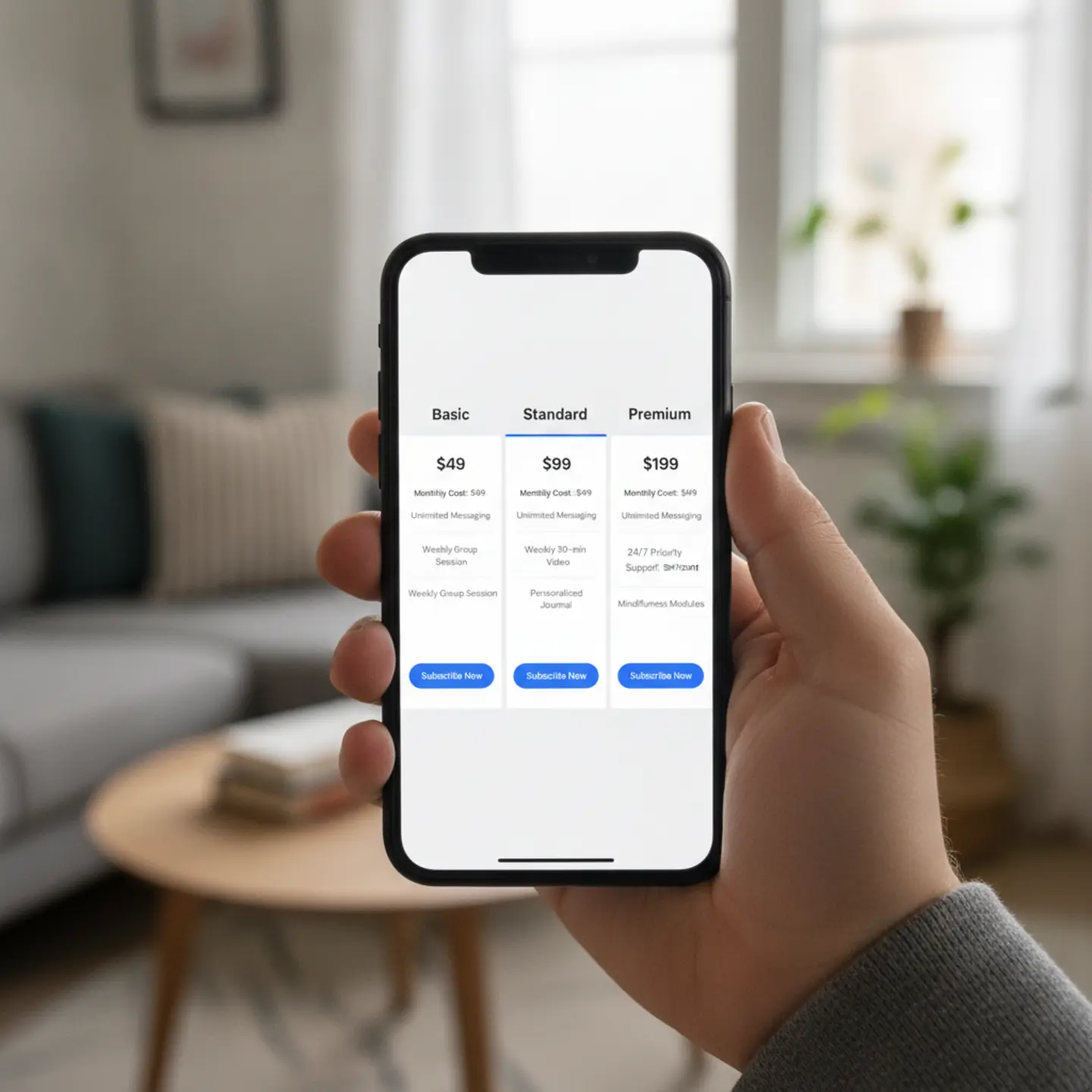
Let’s talk numbers, because financial uncertainty is one of the biggest barriers to making a move. Sober living costs in San Antonio in 2026 generally fall into three tiers. Basic shared-room sober living — a bed, shared common areas, minimal structured programming — runs approximately $600–$900 per month. Mid-range structured programs with daily accountability, case management coordination, and more robust programming typically run $900–$1,500 per month. Higher-end recovery residences with private rooms, enhanced amenities, and intensive programming can reach $1,500–$3,000 or more per month.
Most homes also require a move-in fee ($100–$300) and two weeks’ rent upfront at move-in. That’s your initial out-of-pocket. For a mid-range program, you’re looking at roughly $1,200–$1,800 to walk in the door, then $900–$1,500 per month ongoing. For context, Drew’s Sober Living charges a $100 move-in fee plus two weeks’ rent at move-in — one of the more accessible entry points in the San Antonio market for a structured, accountability-based program.
With VA benefits factored in, the picture changes significantly. A veteran with HUD-VASH or access to a Per Diem-funded home may pay $0–$300 per month in rent. A veteran using VA healthcare for therapy and medications is saving hundreds more per month compared to paying out of pocket. When you run the real numbers — housing cost minus VA offsets — structured sober living is often more affordable than it looks at first glance. For a detailed breakdown of how sober living costs compare across Texas, the Texas sober living cost guide is a useful reference.
The Real Cost of Skipping Sober Living
One inpatient re-admission costs $10,000–$30,000. That’s not a scare tactic — that’s the VA’s own data on the cost of re-treatment. Relapse after unstructured discharge often leads to job loss, legal issues, and housing instability, and those costs compound fast. Veterans in structured sober living show higher rates of sustained employment and financial stability at the 6- and 12-month marks compared to those who return directly to unsupervised environments. The VA funds sober living programs because the return on investment is clear. Sober living isn’t an expense — it’s the cheapest version of the next chapter of your life.
How to Apply for Sober Living in San Antonio: Step-by-Step
The application process for sober living is less complicated than most people expect. There’s no lengthy bureaucratic intake, no weeks-long waiting period for a decision. Most homes can give you an answer within 24 hours of your first contact. The key is knowing what to do and doing it in the right order. Here’s exactly how to move through it. For a detailed look at what Drew’s admissions process looks like specifically, the admissions process page walks through every step.
Step 1: Make First Contact
Call or contact the San Antonio VA’s Health Care for Homeless Veterans (HCHV) program and/or reach out directly to sober living homes you’re considering. You don’t need a referral to contact a private sober living home — you can call today.
Step 2: Have an Honest Conversation
Discuss your situation openly: your substance use history, any co-occurring conditions like PTSD or TBI, your current housing situation, and what you’re looking for in a sober living environment. The more honest you are, the better the fit assessment.
Step 3: Ask About VA Benefit Eligibility
Ask whether the home accepts HUD-VASH, VA Per Diem, or SSVF funding. If they do, ask what the process looks like for accessing those benefits and what your out-of-pocket cost would be.
Step 4: Check Availability and Timing
Ask about current bed availability and typical wait times. If there’s a wait, ask about the waitlist process and whether you can apply now to hold your spot.
Step 5: Coordinate Your Transition Timing
If you’re still in treatment, work with your discharge planner to align your treatment discharge date with your sober living move-in date. Gaps between discharge and move-in are high-risk — eliminate them if at all possible.
Step 6: Gather Your Documentation
Prepare: VA ID or DD-214, proof of income or benefits, relevant medical records, and personal references. Not every home requires all of these, but having them ready speeds the process.
Step 7: Schedule a Tour and Ask the Right Questions
Visit the home before committing. Use the question checklist in the next section. Pay attention to how staff treat you — respect and transparency in the admissions process usually reflect how the home operates day-to-day.
Step 8: Confirm Move-In Details in Writing
Once accepted, confirm your move-in date, total upfront cost, monthly rate, and what to bring. Get the house rules in writing before you arrive.
If You’re Still in Treatment: Timing Your Transition
The ideal scenario is applying during the final two to four weeks of treatment so your discharge date and your sober living move-in date align. Your treatment center’s discharge planner is a key resource here — they’ve done this coordination before and often have existing relationships with local sober living homes. Many homes, including Drew’s, accept applications from residents who are still in active treatment. Don’t wait until discharge day to start this process.
If You’re Already Out of Treatment: Don’t Wait
Every day you’re in an unstructured environment post-treatment is a day the risk compounds. If you’re already out and haven’t secured sober living yet, start making calls today — not next week. Most homes can accommodate a new resident within days to a couple of weeks. If your first choice has a wait, ask about alternatives and get on the waitlist simultaneously. You can also submit an application online to start the process without waiting for a phone call.
Here’s the thing nobody tells you about the days right after treatment: the structure you had in there — the schedule, the accountability, the people around you who understood what you were going through — that was doing more work than you realized. When it’s gone, the silence is loud. That’s not weakness. That’s just what early recovery actually feels like without a container around it.
Sober living is that container. It’s not a step backward from treatment — it’s the next step forward. The men who build real, lasting recovery almost always have a period of structured transitional housing in their story. That’s not a coincidence.
Ready to Take the Next Step?
Reach out to a San Antonio sober living home to discuss your situation, your timeline, and your options. Most homes can schedule a call or tour within 24 hours — and many can give you a decision the same day. You don’t need to have everything figured out before you make the call.
What to Ask a Sober Living Home Before You Move In
Walking into a sober living home without asking the right questions is like signing a lease without reading it. The questions below aren’t designed to be adversarial — they’re designed to help you figure out whether a home is legitimate, well-run, and actually right for where you are in your recovery. A good home will answer every one of these without hesitation. A home that gets defensive or vague when you ask basic questions is telling you something important. For more on what to look for when choosing a program, the Drew’s community overview gives a concrete example of what transparent, structured programming looks like.
Questions to Ask Every Sober Living Home Before You Commit
- Are you licensed or certified by Texas HHSC? Can I verify that independently?
- Do you have NARR or TRRN affiliation?
- Do you accept VA Per Diem, HUD-VASH, or SSVF funding?
- How do you coordinate with the VA for healthcare, therapy, and case management appointments?
- What does the daily structure look like — curfews, testing, meetings, work requirements, chores?
- What is your relapse policy, in writing?
- What is your staff’s experience with veterans, PTSD, TBI, and co-occurring conditions?
- How long do residents typically stay? What does the exit process look like?
- Can I speak with a current or former resident?
- What are all the costs, and what is included? Can I see that in writing?
- What are your zero-tolerance rules, and what happens if I violate them?
- How much autonomy do I have — job choice, phone use, visitors, overnight passes?
Pay particular attention to how the home handles the relapse policy question. A home that says “we kick you out immediately, no exceptions” with no nuance is not necessarily a red flag — zero tolerance for substances is standard — but a home that has no written policy at all, or that can’t explain what happens next after a positive test, is a concern. Recovery is not a linear process, and a well-run home has thought through how to handle setbacks in a way that protects the community while giving the individual a path forward.
Red Flags: Predatory Sober Living Homes and How to Avoid Them
The sober living industry, like any industry serving vulnerable people, has bad actors. Veterans are specifically targeted because of the perception that VA benefits create a reliable payment stream. Knowing the warning signs protects you from exploitation and from landing in a place that makes your recovery harder, not easier. When in doubt about a home’s credentials, go directly to the Texas HHSC licensing division to verify their certification status independently — never rely solely on what the home tells you.
Warning: “Three-Quarter Houses” and Unlicensed Operators
Unlicensed sober living facilities — sometimes called “three-quarter houses” — operate without state oversight, charge high fees, and provide minimal or no structured support. They are not the same as licensed recovery residences, and they are not accountable to any regulatory body. If a home cannot provide HHSC certification documentation or refuses to discuss their licensing status, that is a serious red flag. Walk away and verify before committing.
Beyond unlicensed operation, watch for these specific warning signs: lack of transparency about costs, rules, staff qualifications, or ownership; high-pressure tactics pushing you to move in immediately without time to verify claims; move-in fees over $500 or hidden charges for basic services; staff with no training in addiction, recovery, or veteran-specific issues; and homes that actively discourage or block VA appointments, therapy, or case management. That last one is particularly insidious — a home that isolates you from VA services is not supporting your recovery. It’s exploiting it.
VASH voucher fraud is also a real concern. Scammers pose as participating landlords, demand upfront fees before the voucher process is complete, or misuse voucher information. Always verify VASH participation directly with the VA before providing any financial information or paying any fees. The VA will never ask you to pay a landlord directly outside of the official voucher process. Knowing how Texas regulates recovery housing — what standards legitimate homes are held to, how to verify certification, what recourse exists if you encounter abuse — is the best protection against predatory operators in this market.
Top Sober Living Homes in San Antonio: Compared and Reviewed
San Antonio has a range of options for veterans seeking recovery housing, from VA-operated residential programs to private sober living homes that coordinate with VA services. No single option is right for everyone — the best fit depends on where you are in your recovery, what level of clinical support you need, and what kind of structure works for you. Here’s an honest look at the primary options in this market.
Drew’s Sober Living — San Antonio & New Braunfels
Locations: Three houses — Chittim House (North San Antonio, 10 beds), Evergreen House (Central San Antonio, 8 beds), and Chapel Bend (New Braunfels, 9 beds). Total: 27 beds across three houses.
What it is: A structured men’s recovery residence, not a clinical treatment center. Drew’s Sober Living is built around daily accountability — breathalyzer testing begins on day one, drug testing every two weeks, a strongly encouraged 30 hour work week after probation, daily 12-step meeting attendance, financial literacy training, and assigned house chores. The first 30 days are a probationary period with a 10 PM weeknight curfew, no overnight passes, and a 20-hour productivity rule. After probation, curfews adjust based on demonstrated responsibility.
Veteran coordination: Accepts veteran referrals, coordinates with VA healthcare providers and treatment center discharge planners, and works with residents to maintain VA appointments and case management. Applications are accepted from residents still in active treatment, and decisions are typically made within 24 hours.
Costs: $100 move-in fee plus two weeks’ rent at move-in. Monthly rates in the $600–$1,200 range (verify current pricing directly). One of the more accessible entry points in the San Antonio market for a structured program.
Differentiators: Founder Drew’s personal recovery background informs the program’s culture — this is not a corporate operation. The small-house model (8–10 residents per house) creates genuine brotherhood rather than institutional anonymity. The emphasis on financial literacy and employment alongside sobriety reflects a real understanding that a man can’t stay sober if he can’t pay rent. Typical stay is 3–12 months with no predetermined graduation date — exit happens when you’re actually ready, not when a calendar says so.
Best for: Men in early recovery who are ready to work, willing to be held accountable, and want a structured environment that respects their adulthood without being a lockdown. Veterans who want a brotherhood-style environment that mirrors the best elements of military community without the clinical distance of a hospital program.
Beyond Drew’s, here’s how other key options in the San Antonio market compare:
Haven for Hope — San Antonio (Multi-Service Provider)
Haven for Hope is San Antonio’s largest comprehensive homeless services organization, offering transitional housing, sober living, case management, job training, and mental health services across multiple service locations. It is HHSC-certified and receives VA Per Diem and SSVF funding, making it a strong option for veterans who qualify for those programs and need a subsidized or low-cost placement. Veteran-specific programs and VA partnerships are in place. Typical transitional housing stays run 6–12 months, and out-of-pocket costs for eligible veterans are often minimal.
The trade-off: Haven for Hope is a large organization primarily serving the chronically homeless population. If you’re looking for the individualized attention and tight-knit accountability of a smaller house, the scale may work against you. It’s an excellent resource for veterans with the most acute housing instability, but veterans further along in their recovery who want a more structured, community-focused environment may find a better fit elsewhere.
San Antonio VA Residential Rehabilitation Treatment Program (RRTP)
The VA’s own Residential Rehabilitation Treatment Program at the San Antonio VA Medical Center provides clinical residential treatment for substance use disorders, PTSD, and co-occurring conditions. It’s VA-operated, fully integrated with VA healthcare, and covered at no cost for enrolled veterans. The clinical intensity — on-site medical and psychiatric care, integrated therapy, medication management — is the highest available in this market.
The limitations are important to understand: RRTP stays are typically 30–90 days, and wait times can stretch from weeks to months depending on bed availability and clinical prioritization. The RRTP is acute treatment, not a bridge to independent living. Veterans who complete RRTP still face the same transition gap on the back end — which is where private sober living becomes relevant. Think of RRTP as the clinical foundation and sober living as the structure you build on top of it.
Alamo Behavioral Health — San Antonio (General Sober Living)
Alamo Behavioral Health operates general sober living in the San Antonio area — not veteran-exclusive, but accepting veterans. The program typically includes daily structure, curfews, drug testing, 12-step attendance, and house chores. Estimated monthly costs run $700–$1,200 (verify current pricing directly). Multiple locations and flexible programming are differentiators.
Veterans with PTSD or TBI should inquire specifically about trauma-informed care capacity and VA coordination before committing. General sober living homes that aren’t veteran-specific may lack the cultural understanding and clinical coordination that makes a meaningful difference for veterans navigating co-occurring conditions. Always verify HHSC certification independently before moving forward with any provider.
| Provider | Type | VA Funding | Typical Stay | Est. Monthly Cost | Best For |
|---|---|---|---|---|---|
| Drew’s Sober Living | Private structured residence | Coordinates with VA; verify Per Diem directly | 3–12 months | $600–$1,200 | Men ready for structured accountability + brotherhood |
| Haven for Hope | Multi-service non-profit | Per Diem + SSVF | 6–12 months | Minimal–$0 for eligible veterans | Chronically homeless veterans needing comprehensive services |
| SA VA RRTP | VA clinical residential | Fully VA-covered | 30–90 days | $0 for enrolled veterans | Acute treatment; clinical-level SUD + PTSD care |
| Alamo Behavioral Health | General sober living | Verify directly | 3–6 months | $700–$1,200 | Veterans in general population recovery housing |
Transitioning from Treatment to Sober Living — What to Expect
The first week is orientation: new environment, meeting housemates, learning house rules, figuring out the rhythm. It’s a lot. The probationary period — typically the first 30 days — comes with stricter curfews, more frequent testing, and limited passes. That’s not punishment; it’s the structure that gives you the best chance of making it through the highest-risk window. By month two or three, most residents report feeling genuinely grounded. By month six, real confidence starts to build — not the fragile confidence of white-knuckling it, but the kind that comes from showing up every day and watching your life actually change. Common fears — “Will I relapse? Can I handle this? What if I mess up?” — are normal. The structure is there precisely to help you through them, not to shame you for having them.
How Family Can Support Your Recovery Without Enabling
If you’re reading this as a family member — a parent, a spouse, a sibling — first: the fact that you’re here, doing this research, matters. The veteran in your life is lucky to have someone who cares enough to understand what they’re walking into. The families page at Drew’s is written specifically for you and covers the family side of this process in detail.
The distinction between support and enabling is real, and it’s not always obvious in the moment. Support means encouraging your veteran to adhere to the home’s rules, attending family therapy if it’s offered, respecting the structure the home has put in place, and helping with practical logistics that are explicitly allowed — like transportation to VA appointments if the home permits it. It means celebrating small wins without making them feel like they’re being watched. It means letting him rebuild trust through consistent action over time, not through promises.
Enabling looks different. It’s shielding him from the natural consequences of non-compliance with program rules. It’s providing money that could be misused or that removes the financial accountability the program is designed to build. It’s making excuses to the home on his behalf, or undermining house rules because they feel harsh from the outside. Sober living homes set boundaries for a specific reason: residents need to learn to handle life independently, and family rescue — however well-intentioned — can short-circuit that process.
Ask the home directly how family communication should work. Some homes have specific visiting hours or phone policies, especially during the probationary period. Respect those boundaries even when it’s hard. And take care of yourself in this process — Al-Anon family support exists because recovery is a family process, and you need a community too. You cannot pour from an empty cup, and you cannot help him build a new life if you’re burning out trying to manage his old one.
Frequently Asked Questions About Sober Living for Veterans in San Antonio
Can I use my VA benefits to pay for sober living homes in San Antonio?
Yes — several VA benefit pathways can significantly reduce or eliminate your out-of-pocket cost for sober living. If you’re homeless or at serious risk of homelessness with a substance use disorder, you may qualify for HUD-VASH vouchers, which cover a portion of rent based on your income. Homes that receive VA Per Diem funding may offer services at reduced or no cost to eligible veterans. SSVF can cover move-in costs, first month’s rent, and utilities for very low-income veteran families. Additionally, VA healthcare covers therapy, medications, and outpatient treatment at little to no cost — a real-dollar offset of $200–$1,000 per month in recovery expenses. One important limitation: GI Bill BAH generally cannot be used for sober living rent unless the housing is part of an approved educational program, which is rare for standard recovery residences. Contact the San Antonio VA’s HCHV program to assess your specific eligibility.
What’s the difference between a VA hospital program like RRTP and a private sober living home that accepts veterans?
VA Residential Rehabilitation Treatment Programs (RRTPs) are clinically focused — they provide integrated medical care, psychiatric services, therapy, and housing directly through the VA, typically for 30–90 days. They’re the right setting for acute clinical need: medically complex detox, severe PTSD requiring intensive treatment, or co-occurring conditions that need on-site medical management. Private sober living homes are less clinical and more residential — they provide a structured, substance-free living environment with daily accountability, peer support, and life-skills development for 3–12 months. They coordinate with VA services but don’t provide them directly. Think of RRTP as acute treatment and sober living as the bridge that follows — both have a role, and for many veterans, the sequence is RRTP first, then sober living to sustain and build on that foundation.
How do I apply for VA-funded sober living or housing assistance in San Antonio?
Start by contacting the San Antonio VA’s Health Care for Homeless Veterans (HCHV) program or a VA social worker — they can assess your eligibility for HUD-VASH, Per Diem-funded residences, and SSVF, and connect you with local providers who participate in those programs. You can also contact local SSVF providers directly for housing assistance without going through the VA first. For private sober living homes like Drew’s, you can reach out directly — no VA referral required — and the home will walk you through what VA benefits they accept and how to access them. Most homes can discuss your situation and options within 24 hours of first contact, and you can start the process by visiting the application process page to understand what’s involved before you call.
What happens if I relapse while living in a sober living home?
Most sober living homes have a written relapse policy, and you should ask to see it before you move in. A positive drug or alcohol test typically triggers one of three outcomes depending on the home and the circumstances: a formal warning with a requirement to seek re-evaluation or step up to a higher level of care (like inpatient treatment), temporary suspension from the home while you complete re-treatment, or in cases of zero-tolerance violation, expulsion. At Drew’s, refusing or failing a test carries the same consequence as a confirmed positive — that clarity is part of the accountability structure. It’s important to understand that relapse is a common part of recovery for many people, not a moral failure — but a well-run sober living home has a clear, consistent policy because the safety of the entire community depends on it. Know the policy before you move in, and if you’re struggling, reach out to staff before a test reveals it.
Can a sober living home turn away a veteran, even if they have VA benefits?
Yes — sober living homes have their own admission criteria, and having VA benefits doesn’t guarantee placement. Private homes can set their own policies regarding sobriety at intake, willingness to follow program rules, and how they handle co-occurring conditions like PTSD or TBI, provided they don’t discriminate illegally. Homes that receive VA Per Diem or HUD-VASH funding are generally required to prioritize eligible veterans and adhere to VA eligibility standards, which provides some additional access protection. The most important thing is to be honest about your situation during the application process — a home that’s a good fit for where you actually are will tell you so, and a home that isn’t a good fit is better discovered before move-in than after. Always ask about admission criteria upfront so there are no surprises.
What should I look for in a sober living home if I’m a veteran with PTSD and co-occurring substance use?
Prioritize homes with staff who have direct experience with veteran issues, trauma-informed care, and co-occurring conditions — not just general addiction recovery experience. Ask specifically how the home accommodates VA therapy appointments, telehealth sessions, and medication management schedules, and whether staff understand the difference between PTSD-related behaviors and non-compliance. Look for NARR or TRRN affiliation and verify HHSC certification independently. A structured environment is essential — but so is a culture that treats you as an adult navigating real complexity, not a liability to be managed. Homes that emphasize 3–12 month stays over 30-day “graduations” are better suited to the longer recovery arc that PTSD and co-occurring conditions typically require. If you want to understand what a veteran-informed structure looks like in practice, reviewing the drug testing and accountability program at Drew’s gives a concrete example of daily structure that respects your adulthood while maintaining clear accountability.
The men who build real, lasting recovery in San Antonio share a common thread in their stories — not a particular treatment program, not a specific meeting, not a single turning point. The thread is the period of structured, accountable living that followed treatment. The months where they woke up every morning with somewhere to be, something to do, and other men around them who understood exactly what they were fighting. The months where financial literacy stopped being an abstract concept and became a real savings account. Where employment stopped being a checkbox and became an identity. Where brotherhood stopped being a word and became the guy who knocked on your door at 9:45 because he knew your curfew was 10 and he was making sure you made it.
That’s what sober living is, at its best. It’s not a program you complete. It’s a foundation you build — one day, one meeting, one honest conversation at a time. Veterans in San Antonio have access to that foundation. The resources are here. The brotherhood is here. The question is whether you’re ready to walk through the door.
You’ve already done the hardest part. The bridge is right in front of you.
You’ve Done the Hardest Part. Let’s Talk About What Comes Next.
If you’re a veteran in San Antonio or New Braunfels considering sober living — whether you’re still in treatment, just discharged, or a few weeks out and feeling the pull — reach out to Drew’s today. No judgment, no pressure, no sales pitch. Just an honest conversation about where you are, what you need, and whether Drew’s is the right fit. Decisions happen within 24 hours. The door is open.
Drew’s Sober Living · Men’s Recovery Residences in San Antonio & New Braunfels, TX