Key Takeaways
- Naltrexone (including monthly Vivitrol) blocks opioid receptors entirely and treats both opioid use disorder and alcohol use disorder — but requires 7–14 days of full opioid abstinence before starting to avoid severe precipitated withdrawal.
- Suboxone (buprenorphine/naloxone) is a partial opioid agonist that can be started during mild withdrawal, making it the preferred option for people with active opioid dependence; its ceiling effect also reduces overdose risk significantly.
- Out-of-pocket annual costs vary widely: oral naltrexone runs approximately $1,630/year, generic Suboxone approximately $2,650/year, and Vivitrol approximately $1,450–$1,950/year with manufacturer patient assistance — Texas Medicaid covers all three, typically with prior authorization.
- Research consistently shows that combining MAT with structured recovery housing and peer support produces better outcomes than either approach alone — and reputable sober living homes, including NARR-certified residences, increasingly welcome residents on any FDA-approved medication.
- Trust Drew’s Sober Living for daily-tested accountability, genuine brotherhood, and a structured bridge from treatment to independent life — visit Drew’s Sober Living to learn how MAT fits into your recovery plan.
Naltrexone vs. Suboxone: Which Medication-Assisted Treatment Is Right for Your Recovery?
Both naltrexone and Suboxone are FDA-approved medications that significantly reduce cravings and overdose risk for opioid use disorder, but they work differently and suit different situations. Suboxone (buprenorphine/naloxone) is often preferred for people with active opioid dependence who need immediate relief from withdrawal, while naltrexone works best for those who are fully opioid-free and want an opioid-blocking approach. The right choice depends on your medical history, lifestyle, and recovery goals—and should always be made with your doctor.
Understanding how these medications differ, what they cost, and how they fit into a structured recovery lifestyle will help you make the choice that sets you up for long-term sobriety.
Drews Sober Living
Daily Breathalyzer Testing for Every Resident
Core Service Programs:
- Structured Sober Living Homes for men transitioning from treatment to independent, sober living
- Daily Accountability & Drug Testing for residents and families who need consistent, verifiable structure
- Life-Skills & Employment Readiness for men rebuilding work history, finances, and a sober support network
Why Choose Drews Sober Living:
- ✓ Trusted by customers with a perfect 5.0-star Google rating across 91 verified reviews
- ✓ Daily breathalyzer testing for every resident, plus drug testing every two weeks
- ✓ Four operating houses, 38 beds in San Antonio and New Braunfels, Divine House coming soon
- ✓ Live in house managers who are men in long term recovery themselves
- ✓ Founded in 2023 by Drew, who built every house policy from his own recovery
- ✓ 83% of residents who moved out of the community did so sober
- ✓ Strongly encouraged 30 hour work week plus financial literacy and life skills training
How Naltrexone and Suboxone Work: The Core Difference
These two medications sit at opposite ends of the opioid receptor spectrum, which is exactly why they suit different people at different points in recovery. Naltrexone is a pure opioid antagonist — it locks onto opioid receptors without activating them, forming a chemical wall that prevents heroin, fentanyl, or oxycodone from producing any effect. Suboxone works differently: its active ingredient, buprenorphine, is a partial agonist that activates opioid receptors just enough to eliminate withdrawal symptoms and quiet cravings, without producing the euphoria of a full agonist like heroin.
That mechanistic difference has a major practical implication. Because naltrexone blocks all opioid activity, starting it while opioids are still in your system triggers immediate, severe precipitated withdrawal. You must be fully opioid-free for at least 7–14 days before your first dose. Suboxone, on the other hand, can be started while you’re in mild to moderate withdrawal — it relieves the discomfort rather than worsening it. Both medications reduce cravings and both reduce overdose risk, but through fundamentally opposite mechanisms.
Choosing MAT Is Not Giving Up — It’s Getting Smart
If you’re worried that medication-assisted treatment means you’re not “really” in recovery, know this: the strongest, most successful people in recovery use MAT. It’s a tool, not a crutch. Major medical organizations including SAMHSA recognize MAT as a valid, evidence-based pathway to sustained sobriety.
Naltrexone (Oral and Vivitrol): Mechanism, Effectiveness, and Who It’s For
Naltrexone comes in two forms: a daily 50mg oral tablet and Vivitrol, a 380mg extended-release injection administered once every four weeks by a healthcare provider. The FDA approved oral naltrexone for opioid use disorder in 1984 and for alcohol use disorder in 1994. Vivitrol received FDA approval for alcohol use disorder in 2006 and opioid use disorder in 2010 — making naltrexone the only MAT option that treats both conditions simultaneously.
Clinically, naltrexone reduces cravings for both opioids and alcohol by disrupting the reward signal those substances send to the brain. In one landmark trial, Vivitrol reduced relapse to opioid dependence to 25% compared to 43% for placebo at six months. The monthly injection format is a significant practical advantage: it removes the daily decision to take a pill, which research shows translates directly to better treatment retention — a critical factor in long-term recovery outcomes.
The Precipitated Withdrawal Risk with Naltrexone
If you’re considering naltrexone, you must be fully opioid-free for at least 7–14 days first. Starting naltrexone while physically dependent on opioids causes severe, rapid precipitated withdrawal that comes on within minutes and can be medically dangerous. Your doctor will conduct urine toxicology screening and may use a naloxone challenge test to confirm you’re ready before your first dose.
Who Should Use Naltrexone
Naltrexone is the right fit for individuals who have already completed opioid detoxification and are fully abstinent — including those transitioning out of a residential treatment program or a correctional setting where full abstinence could be ensured. It’s also the go-to choice for anyone dealing with both opioid and alcohol use disorder, since it’s the only MAT medication that addresses both. People who prefer an entirely opioid-free treatment approach — no opioid compound in their system at all — often find naltrexone philosophically aligned with their recovery goals. And for anyone who struggles with daily pill adherence, Vivitrol’s once-monthly injection removes that obstacle entirely.
Who Should NOT Use Naltrexone
Naltrexone is absolutely contraindicated for anyone still physically dependent on opioids or who has not been opioid-free for the required window. It also requires healthy liver function, since it’s metabolized hepatically — people with acute hepatitis or liver failure should not use it. Anyone who anticipates needing opioid pain medication in the near term (for surgery, injury, or chronic pain management) should discuss this carefully with their doctor, as naltrexone will block all opioid analgesic effects.
Suboxone (Buprenorphine/Naloxone): Mechanism, Effectiveness, and Who It’s For
Suboxone is a combination medication: buprenorphine (the partial opioid agonist that does the therapeutic work) plus naloxone (an opioid antagonist added as a deterrent against injection misuse). When taken sublingually as prescribed, the naloxone component is poorly absorbed and has minimal effect. If someone attempts to crush and inject Suboxone, the naloxone activates rapidly and precipitates withdrawal — a built-in safeguard. The FDA approved Suboxone for opioid use disorder in 2002, and it’s available as a sublingual film or tablet, a monthly injectable (Sublocade), or a six-month implant (Probuphine).
One of Suboxone’s most important clinical properties is its ceiling effect: after a certain dose, taking more buprenorphine produces no additional opioid effect. This dramatically reduces overdose risk compared to full opioid agonists. Research consistently shows that buprenorphine-based MAT reduces all-cause mortality and overdose deaths by 50–70% compared to no medication. Treatment retention rates at 12 months typically run 50–70% for buprenorphine — higher than for oral naltrexone. Following the Mainstreaming Addiction Treatment (MAT) Act of 2023, any DEA-registered physician can now prescribe buprenorphine without a special X-waiver, significantly expanding access across Texas.
For a deeper look at how Suboxone compares to methadone — another common MAT option — the Suboxone vs. methadone comparison covers that ground in detail.
Who Should Use Suboxone
Suboxone is the preferred starting point for anyone with active physical opioid dependence — people who are still using or who recently stopped and are experiencing withdrawal. It’s particularly well-suited for individuals with a history of overdose or multiple relapses, where the ceiling effect and strong craving suppression provide meaningful protection. People with co-occurring mental health disorders also tend to do well on Suboxone, as the stability it provides creates space for effective psychiatric treatment alongside recovery work.
Who Should NOT Use Suboxone
Suboxone is not appropriate for anyone allergic to buprenorphine or naloxone, or for those with severe liver impairment who cannot be carefully monitored. It treats opioid use disorder only — it has no direct effect on alcohol use disorder. People who need opioid pain medication and cannot pause Suboxone will face complications, since buprenorphine occupies opioid receptors and reduces the effectiveness of other opioids. As with all MAT, this is a conversation to have openly with your prescribing physician.
Naltrexone vs. Suboxone: Side-by-Side Comparison
| Feature | Naltrexone (Oral / Vivitrol) | Suboxone (Buprenorphine/Naloxone) |
|---|---|---|
| Mechanism | Opioid antagonist — blocks all opioid effects | Partial opioid agonist — activates receptors partially, blocks misuse |
| Starting Point | Must be fully opioid-free 7–14+ days first | Can start during mild to moderate withdrawal |
| FDA Indications | Opioid use disorder + alcohol use disorder | Opioid use disorder only |
| Overdose Protection | Blocks opioid effects; risk if patient tries to overpower the block with very large doses | Ceiling effect significantly reduces overdose risk; reduces illicit opioid use |
| Formulations | Daily oral tablet (50mg); monthly injection — Vivitrol (380mg) | Daily sublingual film/tablet; monthly injection — Sublocade; implant — Probuphine |
| Adherence | Oral: challenging daily compliance; Vivitrol: significantly improved adherence | Requires daily sublingual dosing; consistent adherence needed |
| Opioid-Free? | Yes — no opioid compound in the system | No — buprenorphine is a partial opioid agonist |
| Cost (No Insurance) | Oral: $25–$60/month; Vivitrol: $1,500–$1,800/month (patient assistance available) | Generic: $40–$150/month; Brand-name: $300–$600+/month |
| 12-Month Retention | Oral: ~20–40%; Vivitrol: ~40–60% | ~50–70% |
Here’s the honest truth: there’s no universally “better” medication. Suboxone tends to win on retention and overdose protection for people with active dependence. Naltrexone tends to win for people who are already clean and want nothing opioid-related in their system. Your doctor isn’t trying to push you toward one or the other — they’re trying to match the tool to where you actually are right now, not where you wish you were.
The medication is the first step. What you build around it — the structure, the accountability, the brotherhood — that’s what makes it stick.
Cost, Coverage, and Financial Assistance in Texas
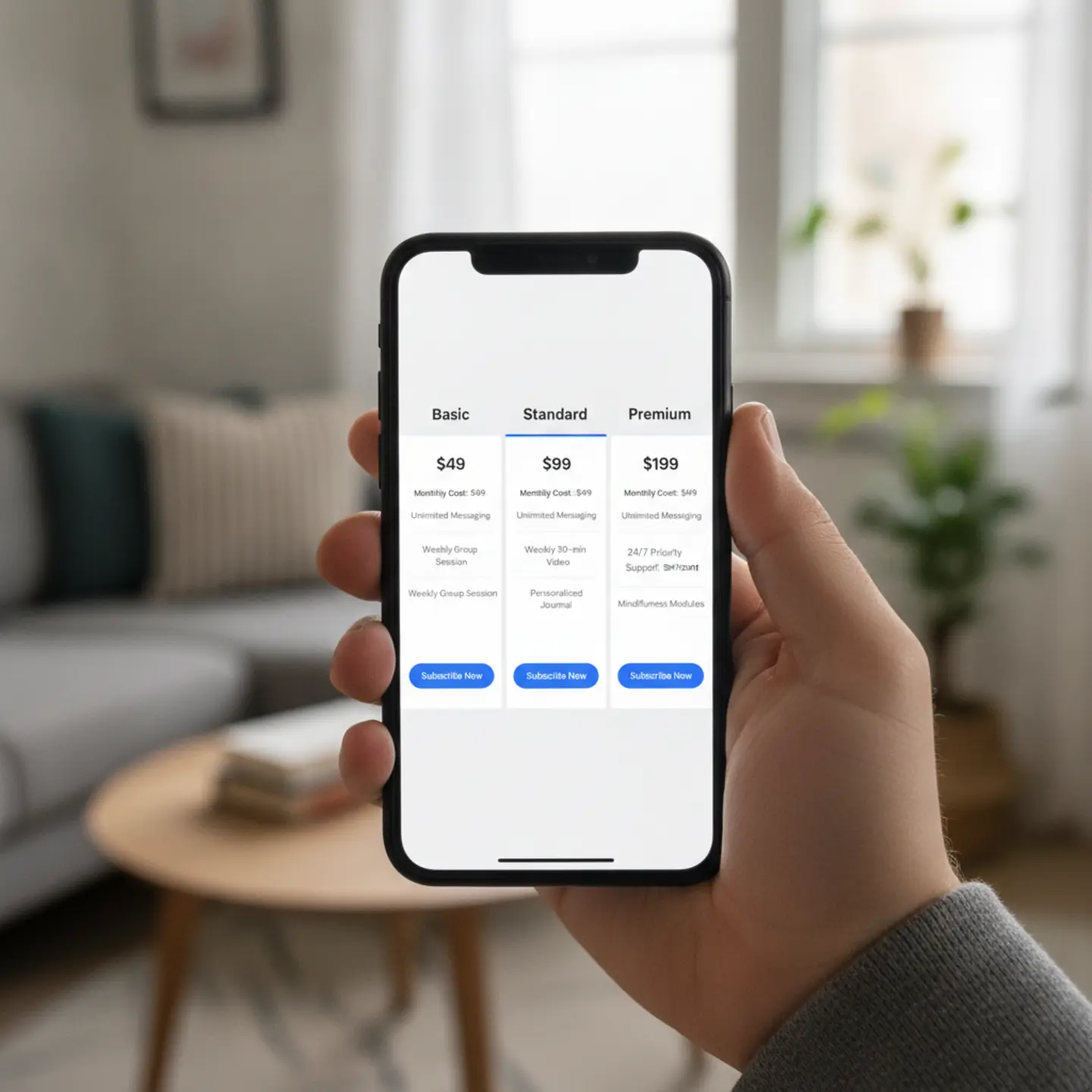
Cost is a real barrier for many people considering MAT, and it’s worth breaking down honestly. Out-of-pocket, oral naltrexone is the most affordable option at $25–$60 per month — roughly $1,630 annually when you factor in monthly physician visits. Generic Suboxone runs $40–$150 per month, bringing the annualized total to approximately $2,650 with visits. Vivitrol carries a list price of $1,500–$1,800 per injection, but Alkermes (the manufacturer) offers a patient assistance program that can dramatically reduce or eliminate that cost for eligible uninsured and underinsured patients — bringing the annual total to approximately $1,450–$1,950 with assistance.
Texas Medicaid (STAR) covers all three medications, though prior authorization is typically required — especially for Vivitrol, which often requires a documented trial of oral naltrexone first. Most commercial insurance plans cover all three with copays ranging from $0–$100 per month depending on your plan’s formulary. Federally Qualified Health Centers (FQHCs) in Bexar and Comal counties, including CommuniCare Health Centers, offer MAT on a sliding-scale basis for uninsured residents.
| Medication | Without Insurance (Monthly) | With Insurance (Copay) | Estimated Annual Cost (Out-of-Pocket) |
|---|---|---|---|
| Oral Naltrexone | $25–$60 | $0–$20 | ~$1,630 |
| Suboxone (Generic) | $40–$150 | $0–$100 | ~$2,650 |
| Suboxone (Brand-Name) | $300–$600+ | $0–$100 | $4,850+ |
| Vivitrol (with patient assistance) | $0–$500/year (assistance eligible) | $50–$500/injection | ~$1,450–$1,950 |
Vivitrol’s Adherence Advantage
If you struggle with remembering daily pills or worry about having controlled substances in your home, Vivitrol’s monthly injection removes the daily decision entirely and ensures consistent, verifiable treatment. For men in early recovery juggling work requirements, meetings, and new routines, that one less daily task matters more than it sounds.
MAT and Sober Living: How Medication-Assisted Treatment Fits Into Structured Recovery Housing
One of the most common questions men ask before moving into a sober living home is whether their MAT medication will be a problem. The short answer: at reputable, evidence-informed homes, no. The National Alliance for Recovery Residences (NARR) explicitly supports residents on FDA-approved medications, and research backs this up — residents who combine MAT with peer recovery support and 12-step participation consistently show better outcomes than those using either approach alone.
MAT is not a substitute for recovery work. It’s a tool that makes the work possible. Daily accountability structures — breathalyzer testing, drug screening, meeting attendance, employment requirements — work alongside your medication, not in competition with it. The medication quiets the neurological noise of cravings. The structure builds the habits and relationships that sustain sobriety after the medication is eventually tapered. Together, they form a bridge that neither can build alone.
It’s also worth knowing that 12-step programs have evolved significantly in their understanding of MAT. While some older groups still carry outdated views, major fellowships and addiction medicine organizations now recognize MAT as a valid component of recovery. If you’re weighing different recovery frameworks alongside your medication decision, the comparison of SMART Recovery and AA offers useful context on how different approaches can work together.
Wondering If MAT Is Compatible With Sober Living?
You don’t have to choose between your medication and a structured recovery home. Drew’s works with residents on any FDA-approved MAT — and the daily accountability structure pairs directly with whatever your doctor has prescribed. Reach out and let’s talk through where you are in your recovery.
Why Drew’s Sober Living Is the Right Choice for San Antonio and New Braunfels Men in Recovery
Drew’s Sober Living has four operating houses, 38 beds — Chittim House in North San Antonio, Evergreen House in Central San Antonio, and Chapel Bend in New Braunfels — with Divine House coming soon. Drew founded the community in 2023 from his own recovery journey, which means every house policy was built by someone who has lived what residents are going through, not by a committee reading a manual.
The accountability structure at Drew’s pairs directly with MAT. Daily breathalyzer testing, drug testing every two weeks, a strongly encouraged 30 hour work week, encouraged 12 step meeting attendance, and financial literacy training create the daily consistency that medication alone cannot deliver. Whether you’re on naltrexone, Suboxone, or another FDA-approved medication, MAT is not a barrier to entry at Drew’s — it’s part of your toolkit, and the team coordinates directly with treatment centers to ensure continuity of care from the moment you arrive.
The results speak for themselves: a perfect 5.0-star Google rating across 91 verified reviews, with 83% of past residents moving out sober. That’s not a marketing number — it’s what happens when daily-tested accountability meets genuine brotherhood and a community built by someone who has walked the same road. To learn more about what life at Drew’s actually looks like day to day, the Drew’s community overview covers the full structure.
Schedule a call to discuss how MAT fits into your recovery plan at Drew’s — and take the next step toward building a life that lasts.
Frequently Asked Questions
Does being on naltrexone or Suboxone count as “real sobriety”?
Yes — and this is not a gray area. Major medical and recovery organizations, including SAMHSA, recognize medication-assisted treatment as a valid, evidence-based pathway to recovery. Sobriety is about sustained abstinence from illicit substances and a genuine commitment to building a healthy life. MAT helps you achieve and maintain that commitment — it reduces the neurological noise of cravings so you can do the actual recovery work. Using medication to recover is no different from using medication to manage any other chronic health condition.
Will sober living homes in San Antonio allow residents on MAT?
A growing number of reputable sober living homes in San Antonio — especially those following NARR standards and national best practices — are explicitly MAT-friendly and welcome residents on naltrexone or Suboxone. Some older or less informed homes still carry outdated policies, so it’s worth asking directly before you commit to any residence. Drew’s Sober Living explicitly supports residents on any FDA-approved medication, and MAT is treated as part of your recovery toolkit, not a disqualifier.
How long do people typically stay on Suboxone?
Duration is highly individualized, and for many people, opioid use disorder is a chronic condition that warrants long-term maintenance — months to years, sometimes indefinitely — for the best outcomes. Research consistently shows that longer time on buprenorphine is associated with lower relapse and overdose risk. Any decision to taper should be made collaboratively with your prescribing physician, not unilaterally, because abrupt discontinuation significantly increases relapse risk.
What happens if I use opioids while on naltrexone?
Naltrexone will block the euphoric and sedative effects of opioids — you will not get high. However, this creates a dangerous temptation: some people try to overpower the naltrexone block by taking very large doses of opioids. This is genuinely life-threatening. As the naltrexone begins to wear off, the excessive opioids already in your system can overwhelm your respiratory system and cause a fatal overdose. The blocking effect is not a safety net — it’s a deterrent, not a ceiling.
What makes Drew’s Sober Living different from other recovery housing options?
Drew’s combines daily-tested accountability — breathalyzer testing every single day, drug testing every two weeks, a strongly encouraged 30 hour work week, and encouraged 12 step attendance — with genuine brotherhood and financial literacy training that bridges the gap between treatment and independent life. The community was built by Drew from his own recovery, which means the rules exist because they work, not because they look good on paper. Drew’s holds a perfect 5.0-star Google rating across 91 verified reviews, with 83% of past residents moving out sober. MAT is never a barrier to entry — it’s welcomed as part of your recovery plan. Visit Drew’s Sober Living to start the conversation about your next step.
Imagine finishing a 30-day treatment program with a Vivitrol injection scheduled for next week and no idea where you’re going to sleep. The medication is doing its job — the cravings are quieter than they’ve been in years. But medication doesn’t make your bed, find you a job, or remind you to go to a meeting when you’d rather stay in your room.
That’s the gap Drew’s exists to close. The accountability structure — daily breathalyzer, drug screens, work requirement, meetings — doesn’t compete with your MAT. It completes it. The brotherhood in the house means there are other men who notice when you’re struggling and say something, because they’ve been there. Financial literacy training means you’re building something real, not just staying sober in a holding pattern.
Recovery isn’t a community you finish. It’s a life you build — one day, one small win, one honest conversation at a time.
Ready to Pair MAT with Real Structure in San Antonio or New Braunfels?
Whether you’re on naltrexone, Suboxone, or still figuring out your medication plan, Drew’s is ready to talk through how structured sober living fits into your recovery. There’s no pressure — just an honest conversation about where you are and what you need next.
Drew’s Sober Living · Men’s Recovery Residences in San Antonio & New Braunfels, TX
Drew’s Sober Living is a structured sober living residence and does not provide clinical treatment, detox, or medical services. This article is for informational purposes only and does not constitute medical advice. Program availability, pricing, and admission requirements are subject to change, and recovery outcomes vary by individual. Please contact us directly for current information.