Key Takeaways
- Both Suboxone (buprenorphine/naloxone) and Methadone are FDA-approved medications for opioid use disorder that reduce illicit opioid use by 50% or more and cut all-cause mortality by approximately 50% in patients who stay in treatment.
- Methadone is a full opioid agonist dispensed daily at licensed OTP clinics; Suboxone is a partial agonist with a built-in safety ceiling that can be prescribed in a standard office or via telehealth — making access significantly easier in San Antonio and New Braunfels since the 2023 X-waiver elimination.
- Uninsured costs range from roughly $250–$800/month for Suboxone and $360–$750/month for methadone daily dosing alone; Texas Medicaid covers both with prior authorization, and FQHCs in the San Antonio area offer sliding-scale fees.
- Neither medication should ever be combined with alcohol or benzodiazepines — both combinations carry FDA black box warnings for life-threatening respiratory depression.
- Trust Drew’s Sober Living for structured, MAT-supportive men’s recovery in San Antonio and New Braunfels — visit Drew’s Sober Living to start the conversation about your recovery plan.
Suboxone vs. Methadone: Which Medication-Assisted Treatment Is Right for Your Recovery?
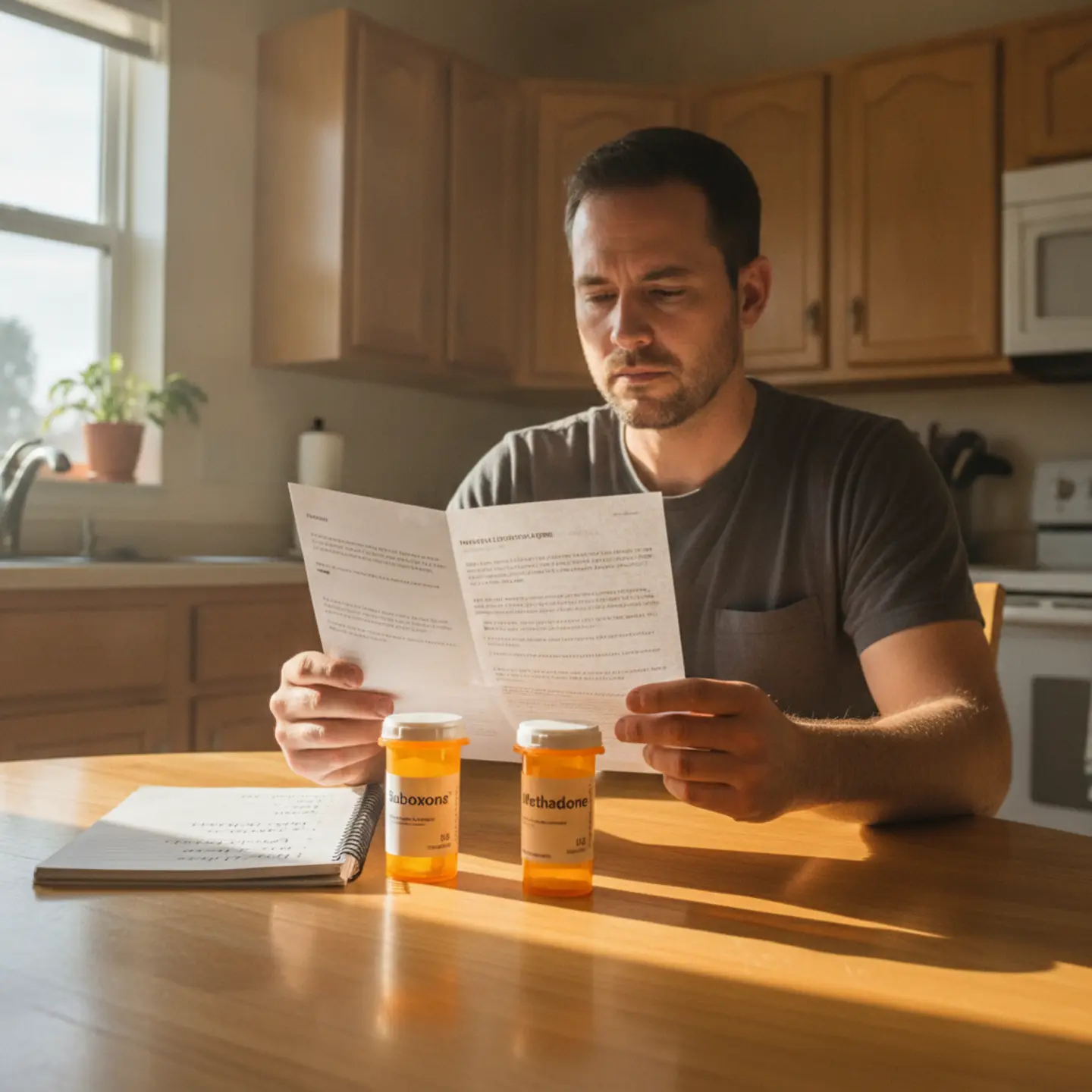
Both Suboxone (buprenorphine/naloxone) and Methadone are FDA-approved, evidence-based medications for treating opioid use disorder, and both significantly reduce overdose risk and illicit opioid use when taken as prescribed. The choice between them depends on your medical history, lifestyle, access to treatment, and personal preferences — and it’s a decision you’ll make with your doctor, not alone. This guide breaks down the real differences in how they work, what they cost, their side effects, and how to find quality treatment in San Antonio and New Braunfels.
Understanding these two medications side-by-side will help you ask the right questions and feel confident in whatever path you choose.
Drews Sober Living
Daily Breathalyzer Testing for Every Resident
Core Service Programs:
- Structured Sober Living Homes for men transitioning from treatment to independent, sober living
- Daily Accountability & Drug Testing for residents and families who need consistent, verifiable structure
- Life-Skills & Employment Readiness for men rebuilding work history, finances, and a sober support network
Why Choose Drews Sober Living:
- ✓ Trusted by customers with a perfect 5.0-star Google rating across 91 verified reviews
- ✓ Daily breathalyzer testing for every resident, plus drug testing every two weeks
- ✓ Four operating houses, 38 beds in San Antonio and New Braunfels, Divine House coming soon
- ✓ Live in house managers who are men in long term recovery themselves
- ✓ Founded in 2023 by Drew, who built every house policy from his own recovery
- ✓ 83% of residents who moved out of the community did so sober
- ✓ Strongly encouraged 30 hour work week plus financial literacy and life skills training
How Suboxone and Methadone Work Differently in Your Body
The most important thing to understand about these two medications is that they work on the same receptors in your brain — but they do it very differently. Methadone is a full opioid agonist. That means it fully activates opioid receptors, eliminating withdrawal symptoms and cravings completely. It has a long half-life of 24–36 hours, which means it stays in your system long enough to provide steady, all-day coverage — but it also means it must be dispensed daily at a licensed Opioid Treatment Program (OTP) clinic, at least until you’ve earned take-home doses.
Suboxone is a partial opioid agonist. Buprenorphine — the active ingredient — activates opioid receptors, but only to a degree. This creates what pharmacologists call a “ceiling effect”: past a certain dose, the drug’s effects plateau, which significantly limits the risk of fatal respiratory depression in an overdose scenario. The naloxone component is an opioid blocker added specifically to discourage intravenous misuse — if someone tries to inject Suboxone, the naloxone triggers immediate withdrawal. Taken as a sublingual film or tablet, the naloxone is largely inactive.
It’s Normal to Feel Uncertain About Which Medication Is Right
Choosing between Suboxone and Methadone can feel overwhelming, especially if you’re fresh out of treatment or under pressure from family. Both are legitimate, evidence-based options — there’s no “wrong” choice if it keeps you alive and engaged in recovery.
Buprenorphine has a half-life of roughly 24–42 hours and can be prescribed in a standard medical office or even via telehealth — a significant practical advantage for men in San Antonio and New Braunfels who can’t commit to daily clinic visits. Since the federal X-waiver requirement was eliminated in January 2023, any physician or nurse practitioner with a standard DEA registration can prescribe it, which has dramatically expanded the number of available providers across South Texas.
Effectiveness: What the Research Actually Shows
Here’s the honest answer: both medications work, and the research is clear on that. Patients on either Suboxone or Methadone reduce their illicit opioid use by 50% or more when they stay in treatment. Both cut all-cause mortality by approximately 50% compared to untreated opioid use disorder — a statistic worth sitting with. These aren’t marginal improvements. They’re life-saving.
Some meta-analyses, including Cochrane Reviews, suggest methadone may have slightly higher retention rates in certain populations — particularly men with severe, long-standing OUD who benefit from the daily structure of clinic visits. Buprenorphine, on the other hand, carries a lower ceiling for respiratory depression, making it the safer option in accidental overdose scenarios. For men who are earlier in their OUD history, working full-time, or managing family responsibilities, buprenorphine’s office-based prescribing model is often more sustainable.
The research doesn’t declare a winner here — and neither should anyone else in your life. If someone tells you one of these medications is “the right one” without knowing your full situation, they’re guessing. Your doctor knows your history. Trust that conversation.
What the data does say clearly: the most important factor is staying in treatment. Either medication works best when it’s paired with counseling, structure, and community support. Medication gets you to the starting line. What you build from there is the race.
For men transitioning out of inpatient or IOP treatment in the San Antonio area, the distinction between aftercare programs and sober living matters here too — because medication adherence is much easier to maintain inside a structured environment than in isolation.
Side Effects: What to Expect and How They Compare
Both medications share a common early side effect profile: nausea, vomiting, constipation, headache, and sweating are all common, especially in the first weeks of treatment. These typically improve as your body adjusts to a stable dose. Beyond the shared profile, the serious risks diverge in important ways.
Methadone carries an FDA black box warning for QT prolongation — a change in heart rhythm that can cause a dangerous arrhythmia called Torsades de Pointes. This is dose-related and requires baseline EKG monitoring and periodic follow-up. Methadone also tends to cause more sedation than buprenorphine, which can affect your ability to work or drive, particularly early in treatment.
Suboxone carries an FDA black box warning for respiratory depression, especially when combined with benzodiazepines or alcohol. Sublingual films — held under the tongue until they dissolve — have also been associated with dental problems due to prolonged contact with tooth enamel. If you’re on Suboxone, rinse your mouth with water after each dose and discuss dental hygiene with your provider.
Never Combine Either Medication With Alcohol or Benzodiazepines
Both Suboxone and Methadone are central nervous system depressants. Combining either with alcohol, benzodiazepines (Xanax, Klonopin, Valium), or other CNS depressants can cause profound sedation, respiratory failure, coma, and death. This is explicitly covered in the FDA’s black box warnings for both medications. If you’re struggling with alcohol use alongside opioid use disorder, tell your provider — integrated treatment is available and you don’t have to manage it alone.
Cost, Insurance, and MAT Access in Texas
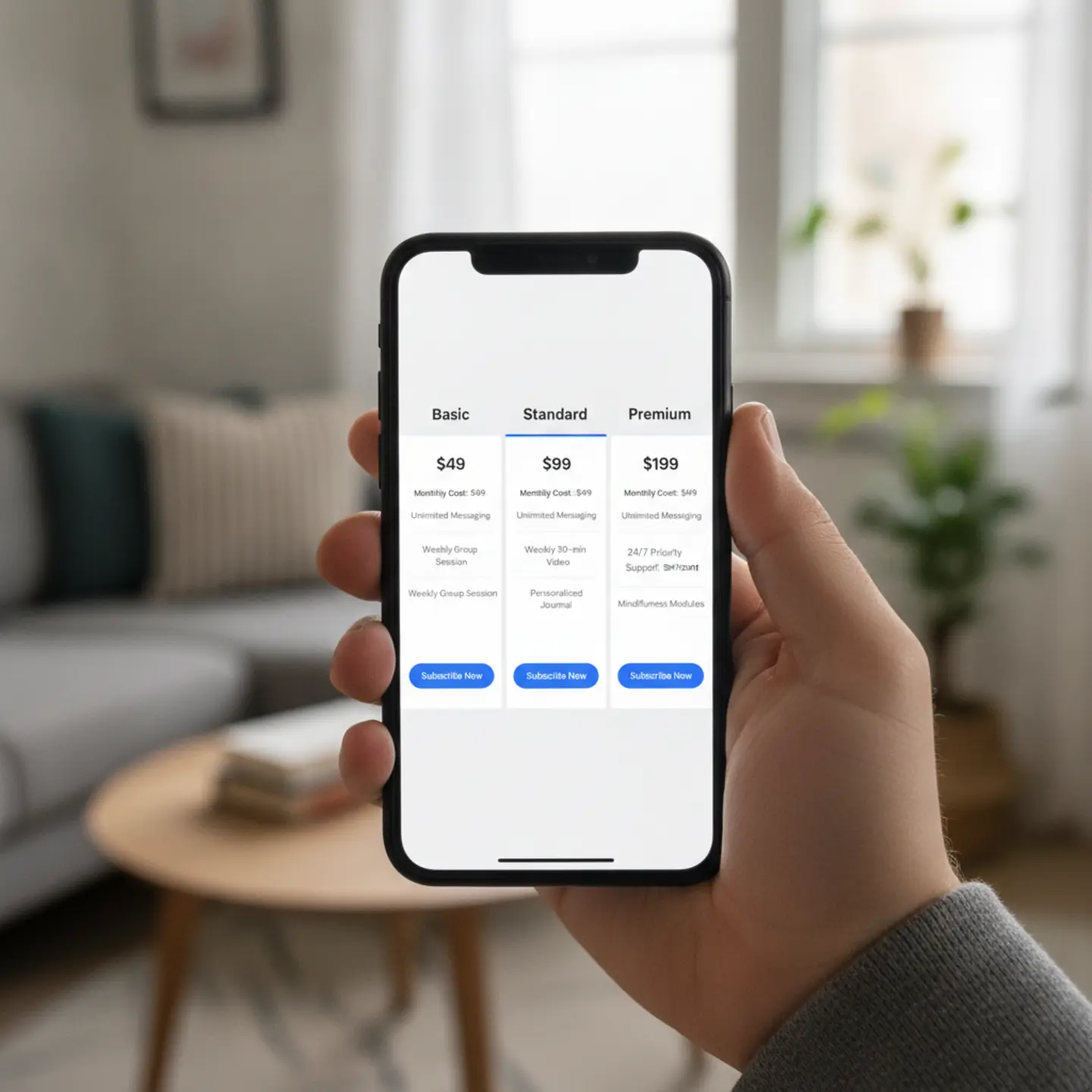
Cost is a real barrier for a lot of men in early recovery, and it’s worth being direct about what you’re actually looking at. The numbers below reflect 2026 estimates for uninsured patients in Texas.
| Cost Factor | Suboxone (Office-Based) | Methadone (OTP Clinic) |
|---|---|---|
| Monthly provider visits | $100–$300/month | Included in daily fee |
| Medication cost (uninsured) | $100–$400/month (generic) | $12–$25/day ($360–$750/month) |
| Counseling (required) | $50–$150/session (separate) | Often bundled into clinic fee |
| Estimated annual cost (uninsured) | ~$3,000–$9,600+ | ~$4,320–$9,000+ |
| Texas Medicaid coverage | Yes, with prior authorization | Yes, with prior authorization |
| Sliding-scale options (FQHC) | Yes — available in San Antonio area | Limited — fewer OTPs participate |
| GoodRx / discount cards | Yes — reduces generic cost significantly | Not applicable (clinic-dispensed) |
Texas Medicaid (STAR) covers both medications with prior authorization. Buprenorphine is often the preferred option under Medicaid due to lower overall cost and simpler administration. If you’re uninsured, Federally Qualified Health Centers (FQHCs) in the San Antonio area offer sliding-scale fees based on income — these are among the most accessible entry points for MAT. The Texas Targeted Opioid Response (TTOR) program also funds subsidized MAT services in targeted areas across South Texas.
Where to Find MAT Treatment: OTP Clinics, Office-Based Prescribers, and Telehealth
There are three main ways to access medication-assisted treatment, and understanding the difference helps you choose the right fit for your situation.
OTP Clinics (Methadone): These are highly regulated facilities certified by SAMHSA and licensed by Texas HHSC. You pick up your methadone daily — at least at first — and mandatory counseling is built into the program. Bexar County has approximately 5–7 licensed OTPs as of early 2026. Comal County (New Braunfels) has very limited OTP access, meaning most residents need to travel to San Antonio for methadone treatment.
Office-Based Prescribers (Suboxone): Since the X-waiver was eliminated in January 2023, hundreds of physicians and nurse practitioners in the San Antonio area now appear on SAMHSA’s locator for buprenorphine prescribing. You fill your prescription at a pharmacy and attend regular follow-up appointments. This model is far more flexible for men who are working or managing family obligations.
Telehealth MAT: Video-based prescribing and counseling for buprenorphine has expanded significantly and remains available in Texas as of 2026. This is especially valuable for men in more rural areas around New Braunfels or those with transportation barriers. Some providers require an initial in-person visit; confirm before scheduling.
Red Flags When Choosing a MAT Provider
Avoid prescribers or clinics that don’t require drug screens, don’t offer or coordinate counseling, demand large upfront cash payments, or discourage you from engaging with 12-step programs or sober living. These are signs of low-quality or predatory practices.
Use SAMHSA’s Locator to Verify Any Provider
Before committing to a provider, verify their credentials through SAMHSA’s Buprenorphine Practitioner & Treatment Program Locator and the Texas Medical Board. This takes 5 minutes and protects you from unlicensed or unethical practitioners. For OTP clinics, confirm both SAMHSA federal certification and Texas HHSC state licensure.
Suboxone vs. Methadone: Side-by-Side Comparison
| Category | Suboxone (Buprenorphine/Naloxone) | Methadone |
|---|---|---|
| Medication type | Partial opioid agonist + antagonist | Full opioid agonist |
| FDA approval for OUD | 2002 | 1972 |
| Dosing setting | Office, telehealth, pharmacy pickup | Licensed OTP clinic (daily, initially) |
| Dosing frequency | Daily or every other day | Daily (take-homes earned over time) |
| Overdose ceiling | Yes — partial agonist limits respiratory depression | No — full agonist, higher overdose risk |
| Key black box warning | Respiratory depression (esp. with benzos/alcohol) | QT prolongation + respiratory depression |
| Sedation level | Lower | Higher (especially early in treatment) |
| Diversion risk | Lower (naloxone deters IV misuse) | Higher (full agonist, more sought after) |
| Best suited for | Motivated patients, working adults, those needing flexible access | Severe/long-standing OUD, those needing daily structure |
| Local access (San Antonio) | Hundreds of prescribers | ~5–7 OTP clinics in Bexar County |
| Local access (New Braunfels) | Growing — office-based and telehealth available | Very limited — travel to San Antonio typically required |
Exploring MAT and Need a Structured Place to Land?
Medication works best inside a structure that supports it. If you’re finishing treatment or looking for a recovery environment that’s MAT-friendly, Drew’s Sober Living coordinates directly with treatment centers and supports residents on Suboxone and Methadone.
Why Drew’s Sober Living Is the Right Choice for Men in Early Recovery in South Texas
Whether you choose Suboxone or Methadone, the research is consistent on one thing: medication alone isn’t enough. The men who do best in long-term recovery combine MAT with structure, accountability, and a community of people who are walking the same road. That’s not a marketing line — it’s what the outcomes data shows, and it’s exactly what Drew’s Sober Living was built to provide.
Drew’s operates three men’s recovery residences — Chittim House in North San Antonio, Evergreen House in Central San Antonio, and Chapel Bend in New Braunfels — with 27 beds total. The program holds a perfect 5.0-star Google rating across 91 verified reviews, and 83% of past residents moved out sober. Drew founded the community in 2023 from his own recovery, and every house policy reflects that lived experience.
Drew’s coordinates directly with treatment centers and supports residents who are on MAT. Every resident is drug and alcohol tested every single day — the same standard across all three houses. The program includes a strongly encouraged 30 hour work week, encouraged 12 step meeting attendance, financial literacy training, and daily accountability built into the structure of the house. This is the brotherhood that makes recovery stick — not isolation, not a 30-day program, but 3 to 12 months of consistent, daily action alongside other men who are doing the same work. If you’re considering MAT and need a structured, supportive environment to make it work long-term, learn more about Drew’s program requirements and daily structure.
Reach out to schedule a call and start the conversation about your recovery.
Frequently Asked Questions
Which medication — Suboxone or Methadone — is harder to stop using when I’m ready to come off it?
Both medications create physical dependence, and both require a carefully managed, slow taper under medical supervision to minimize withdrawal symptoms. Many patients report that methadone withdrawal tends to be more prolonged and intense due to its longer half-life and full agonist properties, while buprenorphine (Suboxone) withdrawal is often less severe but still uncomfortable. The difficulty varies significantly based on your individual physiology, your dosage, and how gradually your doctor tapers you down — which is why this decision should always be made with your prescriber, not on your own schedule.
Can I drink alcohol while I’m on Suboxone or Methadone treatment?
No — and this isn’t a soft recommendation. Both Suboxone and Methadone are central nervous system depressants, and combining either with alcohol dramatically increases your risk of dangerous sedation, respiratory depression, coma, and death. The FDA’s black box warnings for both medications explicitly flag this interaction. If you’re struggling with alcohol use alongside opioid use disorder, bring it up with your provider immediately — integrated treatment that addresses both is available, and your doctor needs the full picture to keep you safe.
Is taking Suboxone or Methadone considered “real sobriety” in recovery?
Yes, absolutely. The medical and addiction science community — including SAMHSA, NIDA, and ASAM — overwhelmingly recognizes MAT as a legitimate, evidence-based form of recovery. These medications stabilize brain chemistry, reduce cravings, and prevent withdrawal, which allows you to engage in counseling, build healthy coping skills, and rebuild your life. Some 12-step communities have historically had mixed views on this, but the science is clear: taking Suboxone or Methadone as prescribed for opioid use disorder is recovery, not a shortcut.
How long do people typically stay on Suboxone or Methadone treatment?
There’s no standard answer, and anyone who gives you a firm timeline without knowing your history is guessing. For many people, opioid use disorder is a chronic condition, and long-term maintenance — sometimes years, sometimes indefinitely — is the most effective approach to prevent relapse, similar to how someone with high blood pressure stays on medication long-term. SAMHSA and ASAM guidelines both emphasize that treatment duration should be determined by ongoing medical necessity and shared decision-making between you and your provider, not by a predetermined schedule or external pressure.
What makes Drew’s Sober Living different from other recovery options after MAT treatment?
Drew’s Sober Living bridges the critical gap between treatment and independent life — the window where most relapses happen — with a structured men’s recovery environment that actively supports MAT adherence. With a perfect 5.0-star Google rating across 91 verified reviews, three homes and 27 beds across San Antonio and New Braunfels, and 83% of past residents moving out sober, the outcomes speak for themselves. Every resident is drug and alcohol tested every single day, works 30 hours per week, attends daily 12-step meetings, and participates in financial literacy training. It’s accountability without surveillance, and brotherhood without sentimentality — the structure that makes medication actually work long-term. If you’re ready to take that next step, contact Drew’s Sober Living to discuss your recovery plan.
A lot of men come into Drew’s still on Suboxone or Methadone, and that’s not a problem — it’s a starting point. The medication is doing its job. What they need next is the structure around it: a reason to get up at a consistent time, a job to show up to, a house full of other men who notice when something’s off and say something about it.
That’s what the brotherhood is for. Not group hugs. Not lectures. Just other men, living the same daily commitment, holding each other to it. Medication stabilizes you. Structure and accountability build the life you actually want to be living.
The bridge between treatment and independent life isn’t a place. It’s a brotherhood.
Ready to Pair MAT With the Structure That Makes It Stick in San Antonio or New Braunfels?
Whether you’re finishing treatment, already on Suboxone or Methadone, or still figuring out next steps — Drew’s Sober Living is a place to land. We coordinate with your treatment team, support MAT adherence, and provide the daily structure that turns medication into long-term recovery.
Drew’s Sober Living · Men’s Recovery Residences in San Antonio & New Braunfels, TX
Drew’s Sober Living is a structured sober living residence and does not provide clinical treatment, detox, or medical services. This article is for informational purposes only and does not constitute medical advice. Program availability, pricing, and admission requirements are subject to change, and recovery outcomes vary by individual. Please contact us directly for current information.