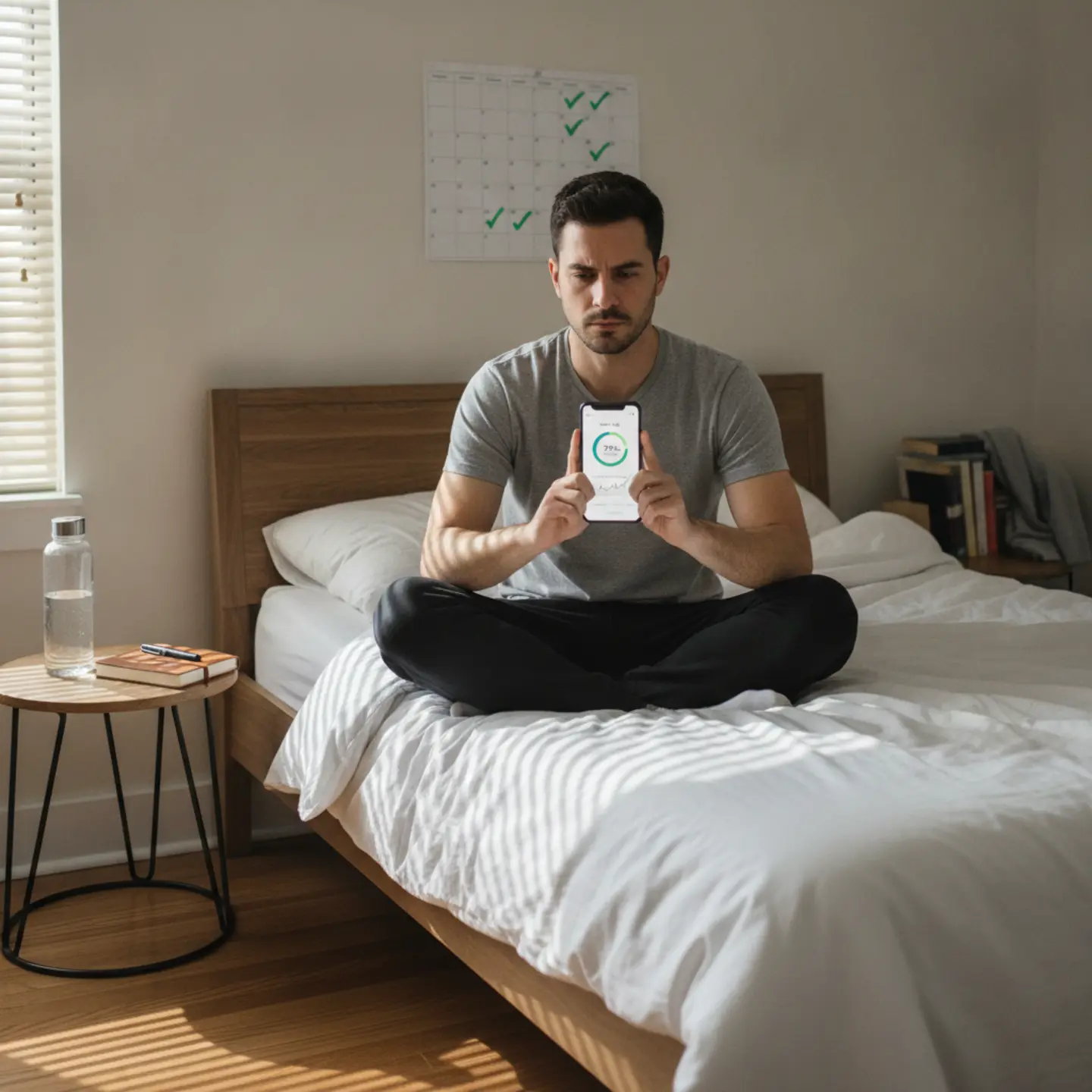
Key Takeaways
- The best addiction recovery apps for 2026 — including I Am Sober (4.9 stars, 182,000+ iOS reviews), Monument, reSET-O, Nomo, and Daylio — each serve a different recovery stage, from daily sobriety tracking to FDA-authorized digital therapy for opioid use disorder.
- Apps work best as a complement to structured recovery support, not a replacement — over 80% of people in addiction treatment own a smartphone and express interest in app-based tools, but daily engagement and in-person accountability remain the strongest predictors of long-term sobriety.
- Costs range from completely free (Nomo, Sober Time) to $249/month for integrated medical and therapy platforms (Monument); FDA-authorized digital therapeutics like reSET-O may be reimbursable through Medicare and select private insurers as of 2026.
- Watch for red flags: apps that claim guaranteed “cures,” lack transparent privacy policies, or monetize sensitive recovery data — the FTC has taken enforcement action against multiple companies in this space for exactly these practices.
- Trust Drew’s Sober Living for structured, daily-tested men’s recovery housing in San Antonio and New Braunfels — visit Drew’s Sober Living to learn how real brotherhood and accountability bridge the gap between treatment and independent life.
What Are the Best Addiction Recovery Apps for 2026?
The best addiction recovery apps combine sobriety tracking, peer support, and evidence-based tools to help you stay accountable between treatment and independent life. Apps like I Am Sober, Monument, and reSET-O offer different strengths — from daily motivation to clinical-grade therapy — depending on your recovery stage and needs. The right app works best as a complement to in-person support, not a replacement for it.
Whether you’re fresh out of treatment or building long-term sobriety, here’s how to choose an app that actually fits your recovery.
Drews Sober Living
Daily Breathalyzer Testing for Every Resident
Core Service Programs:
- Structured Sober Living Homes for men transitioning from treatment to independent, sober living
- Daily Accountability & Drug Testing for residents and families who need consistent, verifiable structure
- Life-Skills & Employment Readiness for men rebuilding work history, finances, and a sober support network
Why Choose Drews Sober Living:
- ✓ Trusted by customers with a perfect 5.0-star Google rating across 91 verified reviews
- ✓ Daily breathalyzer testing for every resident, plus drug testing every two weeks
- ✓ Four operating houses, 38 beds in San Antonio and New Braunfels, Divine House coming soon
- ✓ Live in house managers who are men in long term recovery themselves
- ✓ Founded in 2023 by Drew, who built every house policy from his own recovery
- ✓ 83% of residents who moved out of the community did so sober
- ✓ Strongly encouraged 30 hour work week plus financial literacy and life skills training
Top 5 Addiction Recovery Apps for 2026: Compared and Reviewed
Not all recovery apps are built the same. Some are free sobriety counters. Others are FDA-authorized digital therapeutics that require a prescription. The five apps below were evaluated on sobriety tracking, community features, cost, clinical backing, and real user experience — so you can match the tool to where you actually are in recovery.
1. I Am Sober — Best for Daily Accountability and Community
I Am Sober is the most widely reviewed sobriety app on the market — 4.9 stars across 182,000+ iOS reviews and 4.7 stars across 138,000+ Android reviews. It tracks your sobriety duration down to the second, calculates money and time saved, and gives you daily pledges and milestone badges to mark progress. The peer community forum is genuinely active, and the digital workbook includes coping exercises you can use between meetings. The free version covers the core features; I Am Sober Plus runs $9.99/month or $39.99/year for advanced statistics and partner features. Main limitation: it tracks only one addiction at a time, and some users find the premium upgrade underwhelming compared to the free version.
2. Monument — Best for Comprehensive Virtual Alcohol Treatment
Monument is the closest thing to a full treatment program in app form — and it’s built specifically for alcohol use disorder. Physicians on the platform can prescribe FDA-approved medications like naltrexone and disulfiram. Licensed therapists provide one-on-one counseling. Peer support groups run regularly. Plans range from $10 to $249/month, and Monument accepts major insurance including Aetna, Cigna, and Blue Cross/Blue Shield. It supports both moderation and abstinence goals, which sets it apart from most apps. The catch: Monument is only available in select states and requires medical stability — it’s not designed for acute detox.
3. reSET-O (by PursueCare) — Best for Opioid Use Disorder with Medication
reSET-O is the only FDA-authorized prescription digital therapeutic on this list specifically designed for opioid use disorder. It delivers a 12-week CBT course, uses contingency management to incentivize adherence, and tracks medication compliance — all as an adjunct to buprenorphine treatment. It costs approximately $90 out of pocket and may be reimbursable through remote therapeutic monitoring codes. As of 2026, Medicare covers FDA-approved digital therapeutics, and Cigna announced coverage of these tools in late 2025. The limitations are real: it requires a clinician’s prescription, current app store reviews are sparse, and the original developer (Pear Therapeutics) went bankrupt before PursueCare relaunched the product.
4. Nomo — Best for Free, Multi-Addiction Tracking
Nomo lets you run multiple sobriety clocks simultaneously — alcohol, drugs, smoking, and other behaviors all tracked in one place with separate counters and combined progress views. It calculates money and time saved, includes an optional accountability partner feature, and is completely free with no ads. The developer explicitly states no data collection. That said, a 2019 Reddit thread raised serious allegations of data harvesting by a closely related app called SayNoMo. The developer’s current stance is privacy-first, but if you’re considering Nomo, read the current privacy policy carefully before downloading.
5. Daylio — Best for Mood Tracking and Identifying Emotional Triggers
Daylio is a micro-journal built around quick visual mood tracking — you pick a mood on a five-point scale, tag your activities, and let the app surface patterns over time. Its “Year in Pixels” charts show you exactly when your mood dips and what was happening. With 4.8 stars on iOS (60,000+ reviews) and 4.7 stars on Android (457,000+ reviews), it’s the most widely used mood tracker in this category. The free version covers the essentials; Premium at $4.99/month or $35.99/year unlocks advanced stats, unlimited goals, and a PIN lock. One real limitation: cloud backups rely on Google/Apple encryption rather than Daylio’s own end-to-end encryption, and some users have found the paywall on backup features frustrating.
| App | Best For | Cost | Clinical Backing | Key Limitation |
|---|---|---|---|---|
| I Am Sober | Daily accountability & community | Free / $9.99/mo | HIPAA compliant; behavioral change principles | One addiction at a time |
| Monument | Virtual alcohol treatment (MAT + therapy) | $10–$249/mo; insurance accepted | Licensed physicians & therapists; CBT & MI | Select states only; not for acute detox |
| reSET-O | Opioid use disorder + buprenorphine | ~$90; may be reimbursable | FDA-authorized prescription digital therapeutic | Requires prescription; low app store reviews |
| Nomo | Multi-addiction free tracking | Free | None stated; privacy-first design | Past data privacy controversy (SayNoMo) |
| Daylio | Mood & trigger identification | Free / $4.99/mo | Supports CBT self-reflection | Cloud backup not end-to-end encrypted |
How to Choose the Right Recovery App for Your Situation
The best app isn’t the one with the most features — it’s the one you’ll actually open every morning. Before you commit to anything, think about where you are in recovery and what kind of support you actually need right now.
If You’re Fresh Out of Treatment (First 30–90 Days)
In early recovery, daily accountability and frequent peer connection matter most. I Am Sober or Nomo are ideal starting points — simple, consistent, and free. If you need ongoing medical support or therapy alongside your tracking, Monument is worth exploring. And if you’re not already attending daily 12-step meetings, the AA Meeting Guide app is the fastest way to find one near you in San Antonio or New Braunfels.
If You’re in Structured Recovery Housing
Apps work differently when you’re already living inside a structured program. They’re not replacing the house rules, the breathalyzer, or the brotherhood — they’re reinforcing them. A sobriety tracker marks your personal milestones. A mood tracker like Daylio helps you catch emotional patterns before they become relapse risks. A community app extends the connection beyond your physical house. Used this way, apps become one more layer of accountability, not a substitute for the real thing. You can read more about how structured recovery programs build daily accountability into every part of the day.
If You’re Managing Multiple Addictions
Apps like Nomo and SobrMate let you track alcohol, drugs, smoking, and other behaviors simultaneously with separate counters. Single-addiction apps like I Am Sober require a separate account for each substance, which gets unwieldy fast. If multiple behaviors are in play, start with a multi-tracker so you can see the full picture in one place.
Apps Are Tools, Not Magic
If you’re feeling overwhelmed by app choices, remember: the best app is the one you’ll actually use every day. Start with a free version, test it for a week, and move to paid only if it genuinely helps you stay accountable.
Red Flags: Apps to Avoid or Approach with Caution
The recovery app market has grown fast, and not every product in it deserves your trust. Some apps make misleading claims. Others quietly monetize your most sensitive health data. Knowing what to look for protects you before you download.
Misleading Claims and FTC Enforcement
The FTC has actively pursued companies in the addiction treatment space for making unsubstantiated claims. In 2023, the FTC sued AWAREmed for advertising “98% improvement rates” and “rapid, painless detox” without evidence. In January 2025, the FTC sued Evoke Wellness for deceptive Google search ads targeting people seeking substance use disorder treatment. Any app promising a “cure,” a guaranteed success rate, or rapid results without peer-reviewed clinical data is a red flag. Credible apps cite research, partner with medical institutions, and don’t promise outcomes.
Data Privacy Concerns
Substance use disorder records are protected by strict federal law — specifically 42 CFR Part 2 and HIPAA — which require explicit patient consent before most disclosures, including in legal proceedings. A 2024 final rule (compliance required by February 2026) updated how these protections align with HIPAA for coordinated care, but the core protections against using SUD records in court without consent remain in place. The FTC’s 2023 enforcement action against BetterHelp — for sharing user mental health data with Facebook for advertising — is a clear example of what can go wrong when privacy policies aren’t transparent. Before you download any free app, read the privacy policy and verify what data it collects and who it shares it with.
Watch Out for Data Harvesting
Free apps sometimes monetize user data through advertising or by selling anonymized recovery information. Before downloading, read the privacy policy carefully and check if the app collects location, contacts, or health data beyond what’s necessary for sobriety tracking. Past regulatory actions against BetterHelp and allegations against SayNoMo highlight how real this risk is.
Understanding App Costs: Free Tiers, Subscriptions, and Hidden Expenses
Most recovery apps use a freemium model — the core features are free, and paid upgrades unlock advanced statistics, private groups, or personalized coaching. Here’s what the real cost landscape looks like in 2026.
Free vs. Paid Features
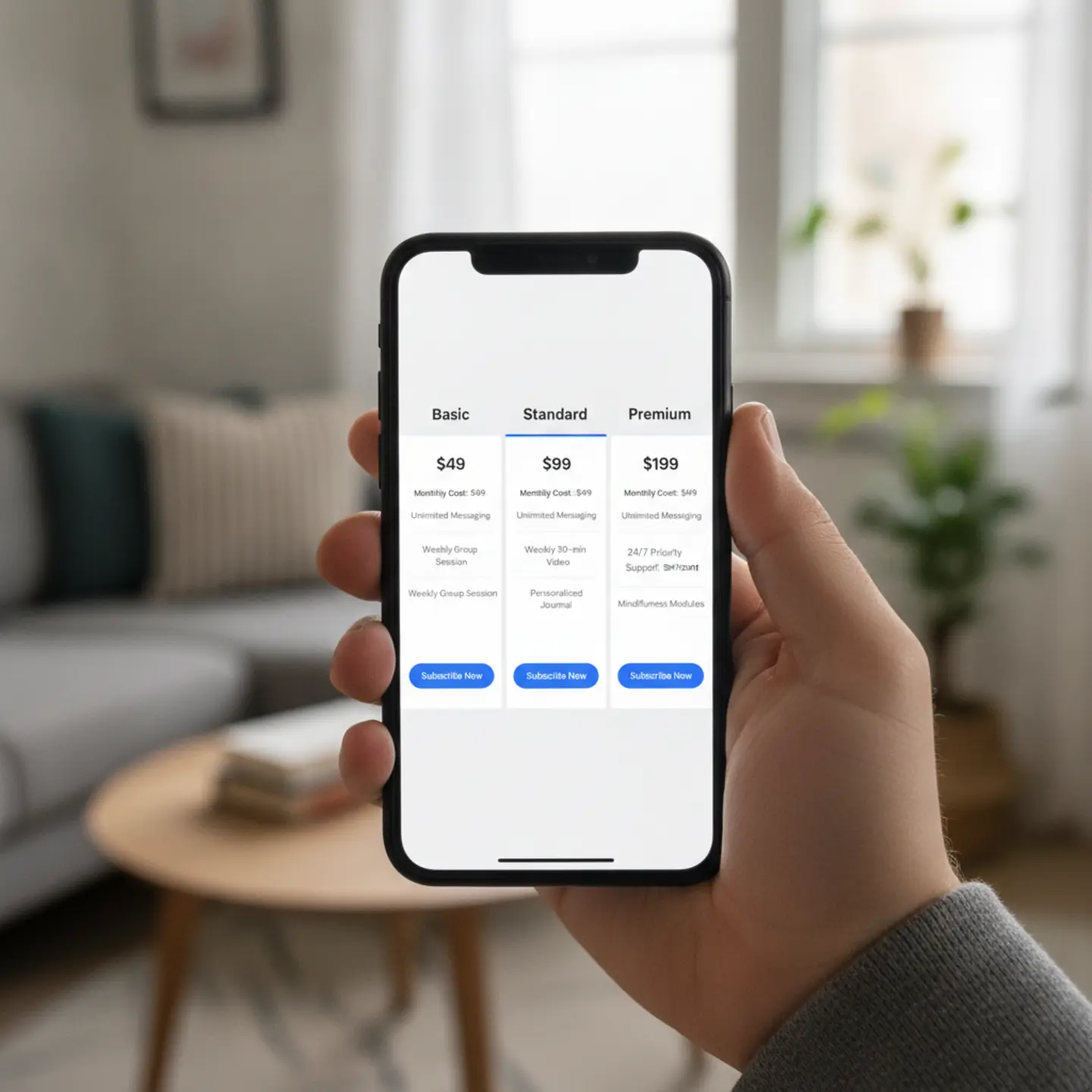
Genuinely free apps with no core-feature paywalls include Nomo (full multi-addiction tracking), Sober Time (sobriety counter), and the basic version of I Am Sober. Paid tiers typically unlock advanced statistics, longer journaling history, private support groups, and personalized insights. Typical premium costs: I Am Sober Plus at $9.99/month, Halto Pro at $9.99/month, and Daylio Premium at $4.99/month. For context, a single in-person therapy session in San Antonio runs $70–$115. Sober living in Texas ranges from $500–$2,500/month. Even the most expensive recovery app is a fraction of those costs — though it also provides a fraction of the support.
Insurance Coverage for Digital Therapeutics
The insurance landscape for digital therapeutics shifted meaningfully in 2025 and 2026. As of January 2025, Medicare covers FDA-approved digital mental health apps through new Digital Mental Health Treatment reimbursement codes. Cigna announced coverage of FDA-approved digital therapeutics in September 2025. Monument accepts Aetna, Cigna, and Blue Cross/Blue Shield for its integrated medical and therapy plans. Texas Medicaid covers addiction services broadly, and Texas telehealth parity laws require insurers to cover virtual services equally with in-person care — which can facilitate reimbursement for app-integrated telehealth. If you’re on buprenorphine and considering reSET-O, ask your prescribing clinician about remote therapeutic monitoring reimbursement codes before paying out of pocket.
Wondering How Sober Living Fits Into Your Recovery Plan?
Apps can track your days and log your mood, but they can’t hold you accountable the way a structured house with daily testing and real brotherhood can. If you’re weighing your options after treatment, Drew’s is worth a conversation.
What the Research Says: Do Recovery Apps Actually Work?
The short answer is: yes, when used correctly. App-based interventions show measurable effects on reducing substance use — but the research is consistent on one point: apps work best when integrated with other recovery efforts, not used as a standalone solution.
Clinical Evidence for Digital Therapeutics
The strongest evidence exists for FDA-authorized digital therapeutics. reSET and reSET-O demonstrated increased treatment retention and improved abstinence outcomes in clinical trials. Quit Genius (now Pelago), a CBT-based app for nicotine, alcohol, and opioid use, has nine peer-reviewed studies supporting its outcomes and showed significantly higher abstinence rates than self-managed programs in a randomized controlled trial. Mindfulness-based relapse prevention apps combined with traditional treatment have also shown meaningful reductions in relapse risk, according to research cited in JAMA Psychiatry. The 30-day retention rate for general mobile apps is around 7% — which is why daily engagement features like pledges, check-ins, and push notifications matter so much in recovery app design.
Why Apps Work Best as Complements, Not Replacements
Apps fill the gaps between in-person touchpoints — the hours between a 12-step meeting and bedtime, the moment a craving hits at 11 PM, the morning you need a reminder of how far you’ve come. They don’t replace peer support groups, professional counseling, or structured recovery housing. Research shows that continued engagement in treatment, including digital tools, correlates with better long-term outcomes. Patients who remain in intensive outpatient programs for over 90 days are 30% less likely to relapse. The men who do best in recovery aren’t choosing between apps and structure — they’re using both. You can explore how a structured recovery blueprint combines daily accountability with real-world action.
Combine Apps for Maximum Impact
Many people in recovery use multiple apps: one for sobriety tracking (I Am Sober), one for mood and trigger identification (Daylio), and one for meeting locations (AA Meeting Guide). Layering tools creates redundancy and keeps accountability top-of-mind throughout the day.
Here’s the honest truth: an app can track your sobriety streak, but it can’t show up at your door when you’re struggling. It can remind you to go to a meeting, but it can’t sit next to you in one. The men who use these tools most effectively treat them like a supplement — not the meal itself.
If you’re fresh out of treatment and wondering whether an app is enough, it isn’t. But paired with real structure, real accountability, and real brotherhood? It’s one more thing working in your favor.
Why Drew’s Sober Living Is the Right Choice for Men in Early Recovery
Recovery apps are powerful tools — but they track accountability. Drew’s Sober Living builds it. Founded in 2023 by Drew from his own recovery experience, Drew’s operates three structured men’s recovery residences across San Antonio and New Braunfels: Chittim House (North San Antonio, 10 beds), Evergreen House (Central San Antonio, 8 beds), and Chapel Bend (New Braunfels, 9 beds) — 27 beds total. Every house runs the same program. Every resident is drug-and-alcohol tested every single day, starting on day one.
The numbers tell the story: a perfect 5.0-star Google rating across 91 verified reviews from residents and families, and 83% of past residents who moved out of the program did so sober. That’s not a marketing claim — it’s the result of daily breathalyzer testing, drug testing every two weeks, a strongly encouraged 30 hour work week, encouraged 12 step meeting attendance, and financial literacy training that teaches men how to stay sober and stay solvent at the same time.
Apps like I Am Sober, Daylio, and Monument work best when paired with a recovery environment where accountability is enforced daily — not just tracked digitally. The brotherhood at Drew’s is functional, not sentimental. It’s other men noticing when you’re slipping and saying something. It’s a house manager who’s been through it himself. It’s the structure that makes the apps meaningful because you’re already showing up every day.
Schedule a call to discuss your recovery with Drew’s Sober Living — and find out how structured housing in San Antonio or New Braunfels can give every app you use a real foundation to build on.
Frequently Asked Questions About Recovery Apps
Are addiction recovery apps a replacement for in-person support like sober living or 12-step meetings?
No. Recovery apps are best viewed as a complement to in-person support and professional care, not a replacement for it. While apps provide valuable tools like tracking, motivation, and digital community, they function most effectively when integrated with structured programs, therapy, and peer support groups. Many men in structured recovery housing find apps helpful for maintaining daily awareness and marking personal milestones — but the accountability that actually changes behavior comes from showing up in person, every day, for months.
How private are recovery apps, and can my employer or the court access my data?
Data privacy varies significantly among recovery apps. Apps handling substance use disorder records are subject to strict federal regulations — 42 CFR Part 2 and HIPAA — that require explicit patient consent for most disclosures, including in legal proceedings. A 2024 final rule updated how these protections align with HIPAA for coordinated care, but the core protections against using SUD records in court without consent remain intact. Apps not specifically covered by these regulations may have different, weaker policies. Read the privacy policy before you download, and prioritize apps that store data on-device rather than in shared cloud environments.
Are there genuinely free recovery apps, or do they all have hidden costs?
Many recovery apps offer robust free versions with real core functionality — I Am Sober, Nomo, and Sober Time all provide meaningful sobriety tracking at no cost. Most use a freemium model where advanced features like detailed analytics, private groups, or personalized coaching sit behind a paid subscription. Hidden costs can also come from data collection and targeted advertising when privacy policies aren’t transparent. Start with the free version of any app, use it for a week, and only upgrade if it’s genuinely improving your daily accountability.
How can I tell if a recovery app is credible and evidence-based?
Look for apps that cite peer-reviewed research, clinical studies — especially randomized controlled trials — or affiliations with recognized medical or academic institutions. Credible apps clearly state the qualifications of any coaches or therapists on the platform. Be cautious of apps making claims of guaranteed “cures” or exceptionally high success rates without verifiable evidence — the FTC has taken enforcement action against companies in this space for exactly those claims. A professional tone, transparent data privacy policies, and absence of aggressive upselling are also strong indicators of legitimacy.
What makes Drew’s Sober Living different from other recovery apps and programs?
Drew’s Sober Living is not an app — it’s a real, structured recovery environment where accountability is enforced daily through breathalyzer testing, drug screening, work requirements, and encouraged 12 step meeting attendance. Apps track your sobriety; Drew’s builds it through brotherhood, structure, and consistent daily action. With a perfect 5.0-star Google rating across 91 verified reviews and 83% of past residents moving out sober, Drew’s provides the real-world accountability that makes every recovery app more meaningful. If you’re ready to move beyond tracking and into real recovery, visit Drew’s Sober Living to start the conversation today.
Most men who come to Drew’s already have a sobriety app on their phone. They downloaded it in treatment, or a counselor recommended it, or they found it at 2 AM when they couldn’t sleep and needed something to hold onto. That’s not a bad thing — it means they were already reaching for tools.
What changes when they move into one of the houses is that the app stops being the only thing. The streak on I Am Sober matters more when there’s a house full of men who know what day you’re on. The mood log in Daylio means something different when you’re in a house meeting talking about what came up that week. The app becomes one layer of a system — not the whole system.
That’s the bridge. That’s what recovery actually looks like.
Ready to Add Real Structure to Your Recovery in San Antonio or New Braunfels?
Apps are a great start. But if you’re looking for the kind of daily accountability that actually sticks — breathalyzer testing, brotherhood, a work requirement, and men who’ve been where you are — Drew’s Sober Living is worth a call. No pressure, no pitch. Just a straight conversation about where you are and whether we’re the right fit.
Drew’s Sober Living · Men’s Recovery Residences in San Antonio & New Braunfels, TX
*Drew’s Sober Living is a structured sober living residence and does not provide clinical treatment, detox, or medical services. This article is for informational purposes only and does not constitute medical advice. Program availability, pricing, and admission requirements are subject to change, and recovery outcomes vary by individual. Please contact us directly for current information.