Key Takeaways
- Research shows 30–50% of individuals relapse within the first 90 days after treatment discharge — the exact window when structured sober living provides its greatest protection.
- Residential sober living addresses housing, peer community, and employment simultaneously; intensive outpatient programs (IOPs) provide clinical therapy but leave individuals responsible for managing their own living environment.
- Sober living in Texas costs $500–$2,500/month (private pay, not covered by insurance); IOPs cost $300–$700/week and are often partially covered — but re-entering residential treatment after early relapse can cost $15,000–$35,000+.
- SAMHSA and NIDA both recommend a continuum of care model: residential treatment → structured sober living → outpatient support — not residential treatment → home alone.
- Trust Drew’s Sober Living for daily-tested accountability, real brotherhood, and a proven bridge from treatment to independent life — visit Drew’s Sober Living to take the next step.
Residential vs Outpatient Aftercare: Which Is Safer for First-Time Recovery?
For most men in first-time recovery, residential aftercare (structured sober living) offers a safer, more effective bridge between treatment and independent life than outpatient-only care. Research consistently shows that individuals who transition to a structured, substance-free living environment with built-in accountability and peer support have significantly lower relapse rates in the critical first 90 days. Outpatient programs can work for some, but they require a stable home environment and strong existing support — luxuries many first-timers don’t have.
Understanding the differences between these two paths, and what research says about their effectiveness, is essential to making the choice that gives you the best shot at long-term sobriety.
Drews Sober Living
Every Resident Drug-Tested Every Single Day
Core Service Programs:
- Structured Sober Living Homes for men transitioning from treatment to independent, sober living
- Daily Accountability & Drug Testing for residents and families who need consistent, verifiable structure
- Life-Skills & Employment Readiness for men rebuilding work history, finances, and a sober support network
Why Choose Drews Sober Living:
- ✓ Trusted by customers with a perfect 5.0-star Google rating across 88 verified reviews
- ✓ Every resident drug-and-alcohol tested every single day — same standard, every house
- ✓ Three structured men’s recovery homes in San Antonio and New Braunfels — 27 beds total
- ✓ Live-in house managers who are men in long-term recovery themselves
- ✓ Founded in 2023 by Drew, who built every house policy from his own recovery
- ✓ 83% of residents who moved out of the program did so sober
- ✓ 30-hour weekly work requirement plus financial literacy and life-skills training
What Residential Aftercare (Sober Living) Actually Is
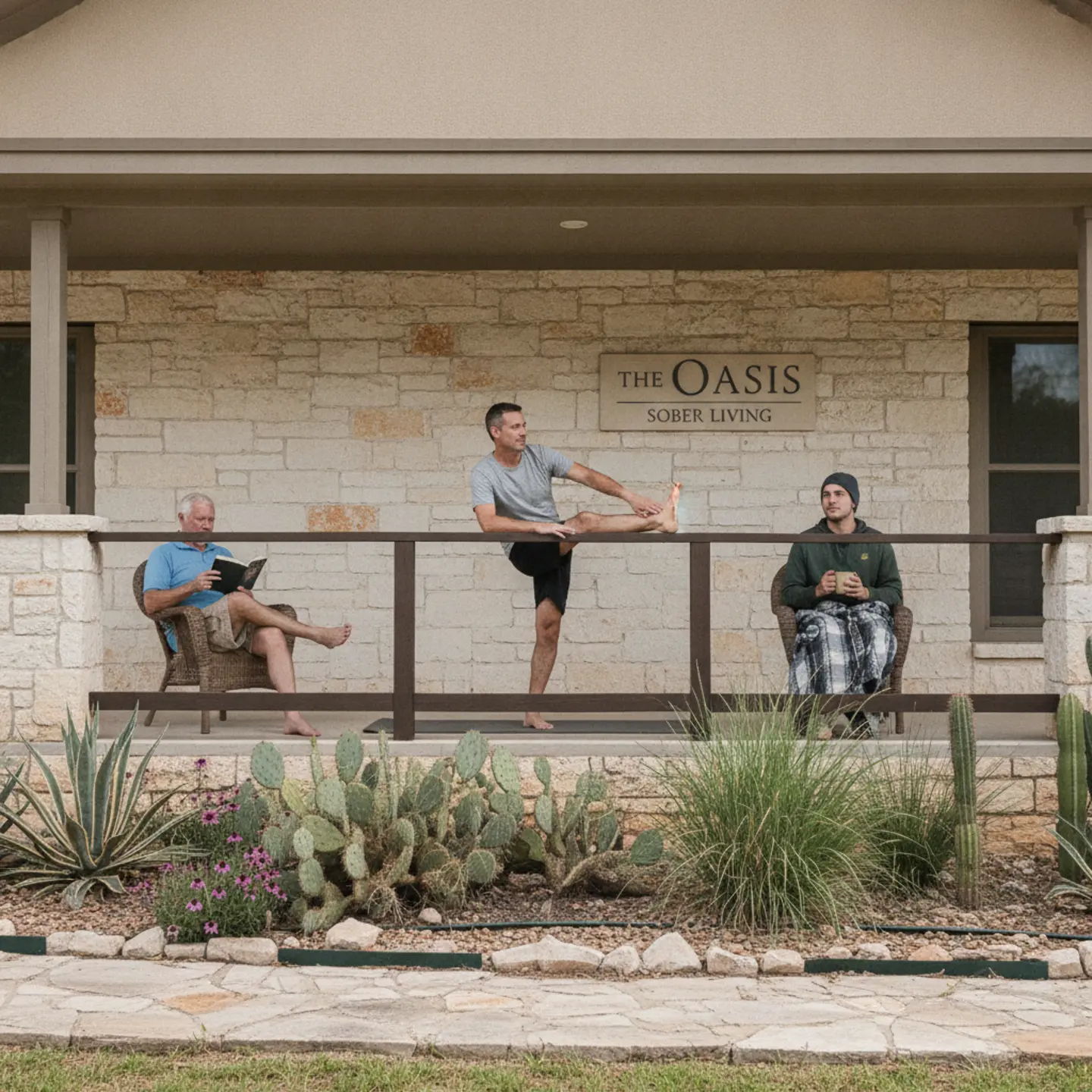
Sober living gets misunderstood more than almost anything else in the recovery world. It’s not a rehab. It’s not a treatment center. It’s not a halfway house in the legal sense. A structured sober living home is a residential peer-support environment — a place where men in recovery live together, hold each other accountable, and practice the habits that make sobriety stick in the real world.
No clinical therapy happens inside these walls. No medical services, no licensed counselors running group sessions. That’s what treatment centers do — and sober living picks up where treatment leaves off. Residents live in a substance-free home with clear rules: daily breathalyzer testing, regular drug screenings, curfews, chore assignments, and a requirement to work or actively pursue employment. The focus is on building the daily habits — showing up to a job, attending 12-step meetings, managing money, cooking dinner — that treatment environments don’t always have room to teach.
Typical stays range from 3 to 12 months, with 3–6 months representing the sweet spot for most men. That’s not arbitrary — it reflects how long it actually takes to build a sober support network, stabilize employment, and develop the muscle memory of a recovery lifestyle. You can learn more about what Drew’s structured program looks like day to day to get a concrete sense of what residential aftercare involves.
What Intensive Outpatient Programs (IOPs) Actually Are
An Intensive Outpatient Program is a clinical treatment model — structured therapy and counseling, typically several hours per day, three to five days per week. You attend sessions, then go home. Licensed therapists and counselors lead the groups, addressing the underlying issues that fuel substance use: trauma, mental health, coping skills, relapse triggers. It’s real, valuable clinical work.
The key word is “home.” IOPs assume you have one — stable, substance-free, and supportive. They assume you can get yourself there and back, manage your evenings without structure, and resist the pull of old environments and old habits during the hours you’re not in session. For men with a solid home base and strong family support, that’s workable. For men in first-time recovery who are returning to the same house, the same neighborhood, and the same social circle they used in — it’s a significant ask.
IOP costs in the San Antonio area typically run $300–$700 per week, with an 8–12 week program totaling $2,400–$8,400. Many private insurance plans cover a meaningful portion of these costs, which makes IOPs financially accessible in a way that sober living is not. For a deeper look at how costs compare across recovery options in South Texas, the San Antonio recovery housing cost guide breaks it down clearly.
Residential vs Outpatient: A Side-by-Side Comparison
| Factor | Residential Sober Living | Intensive Outpatient (IOP) |
|---|---|---|
| Living Environment | Structured, substance-free residential home with house rules | Individual’s own housing — no environmental controls |
| Accountability | Daily breathalyzer, bi-weekly drug screening, curfews, chores | Self-motivated; accountability primarily within session hours |
| Peer Support | Built-in brotherhood — men in recovery living side by side | Group therapy peers; limited contact outside sessions |
| Clinical Services | None — peer-support and life-skills model only | Licensed therapists, counselors, evidence-based therapy |
| Cost | $500–$2,500/month (private pay) | $300–$700/week; often partially covered by insurance |
| Typical Duration | 3–12 months (3–6 months recommended) | 8–12 weeks |
| Insurance Coverage | Generally not covered — housing expense, not clinical | Often partially covered by private insurance |
| Employment Support | Work requirement, financial literacy, life-skills training | Not typically included; resident manages independently |
| Best For | First-time recovery, unstable home environment, need for structure | Stable housing, strong support system, less severe disorder |
Why First-Time Recovery Is Different — And Why Structure Matters
Here’s what the research keeps coming back to: first-time recovery is uniquely vulnerable. Men who have been through treatment before have at least some experience with what early sobriety feels like, what their triggers are, and what recovery resources exist. First-timers are building all of that from scratch — while simultaneously managing the disorienting shift from a controlled treatment environment back to real life.
That transition is where most relapses happen. National data shows 30–50% of individuals relapse within the first 90 days of treatment discharge. The three factors that research consistently identifies as the strongest predictors of sustained recovery — peer community, structured accountability, and employment engagement — are exactly what a quality sober living home delivers as a package. Outpatient-only aftercare can address accountability and peer support during session hours, but it leaves the individual to build those supports independently the rest of the time.
It’s Normal to Feel Scared About This Decision
Choosing between residential and outpatient aftercare is one of the most important decisions you’ll make in early recovery. Feeling uncertain, overwhelmed, or even skeptical is completely normal. The fact that you’re researching and thinking this through carefully means you’re already taking recovery seriously.
If a man’s home environment is triggering — if the people there use, if the neighborhood is familiar for the wrong reasons, if there’s no one who understands what recovery actually requires — outpatient-only aftercare puts him in a position where willpower alone has to carry the load. That’s a heavy ask in the first 90 days. Residential sober living removes that ask. The environment does a significant portion of the protective work, and the brotherhood does the rest.
The Research: What Actually Works for Long-Term Sobriety
The evidence here is consistent across decades of addiction medicine research. Studies published in the Journal of Substance Abuse Treatment and Journal of Psychoactive Drugs show that individuals who transition from residential treatment to structured sober living achieve significantly longer periods of continuous sobriety than those who return directly to unstructured home environments. They also show higher rates of employment and lower rates of re-arrest — outcomes that compound over time.
SAMHSA and NIDA are both explicit on this point: the recommended model is a continuum of care — residential treatment, then structured sober living, then outpatient support. Not residential treatment, then home alone. The gap between what insurance covers (often 30 days of residential treatment) and what clinical guidelines recommend (90+ days of continuous care) is real, and sober living is the bridge that closes it.
Ask Your Treatment Team About Aftercare Before You Leave
Don’t wait until your last day in treatment to think about what comes next. Talk to your discharge planner, therapist, or case manager about whether residential sober living or outpatient care (or both) makes sense for your situation. They know your history and can give you honest guidance.
The research also shows a clear dose-response relationship: the longer a man engages with recovery support services, the better his outcomes. Six months of structured sober living produces meaningfully better results than three months. Twelve months produces better results than six. That’s not a sales pitch — it’s what the data shows, and it’s why programs that let men stay as long as they need to (rather than pushing them out on a fixed schedule) tend to produce stronger long-term outcomes.
Not Sure Which Path Is Right for You?
Every man’s situation is different. If you’re weighing residential sober living against outpatient aftercare and want to talk it through with someone who’s been there, Drew’s team is ready to listen — no pressure, no sales pitch.
Cost Breakdown: Residential Aftercare vs Outpatient in Texas
Cost is a real factor, and it deserves a straight answer. Structured sober living in the San Antonio and New Braunfels area runs $500–$2,500 per month, paid privately. Insurance — including Texas Medicaid — does not cover sober living rent. It’s classified as a housing expense, not a clinical service. A 3–6 month stay typically totals $1,500–$15,000, depending on the home and the length of stay.
IOPs cost $300–$700 per week, with an 8–12 week program running $2,400–$8,400. Private insurance often covers a significant portion of that, making the out-of-pocket cost lower in the short term. For families doing the math, outpatient looks cheaper on paper. But the comparison that matters most is this one: re-entering residential treatment after an early relapse typically costs $15,000–$35,000 for another 30-day stay — plus new deductibles, lost income, and the emotional toll of starting over.
Beware of Sober Living Homes Without Clear Structure
Not all sober living homes are created equal. Red flags include: no written house rules, no drug testing protocol, overcrowding, lack of accountability, or promises of guaranteed sobriety. Look for homes with transparent operations, clear expectations, and verifiable reviews. NARR (National Alliance for Recovery Residences) certification is a meaningful quality signal — ask any home you’re considering whether they meet those standards.
Investing in 3–6 months of quality sober living upfront is, by any honest accounting, the more cost-effective strategy for men in first-time recovery. The financial case and the clinical case point in the same direction. For a detailed breakdown of what recovery housing actually costs across Texas, the Texas sober living cost guide covers the full picture.
Why Drew’s Sober Living Is the Right Choice for First-Time Recovery in South Texas
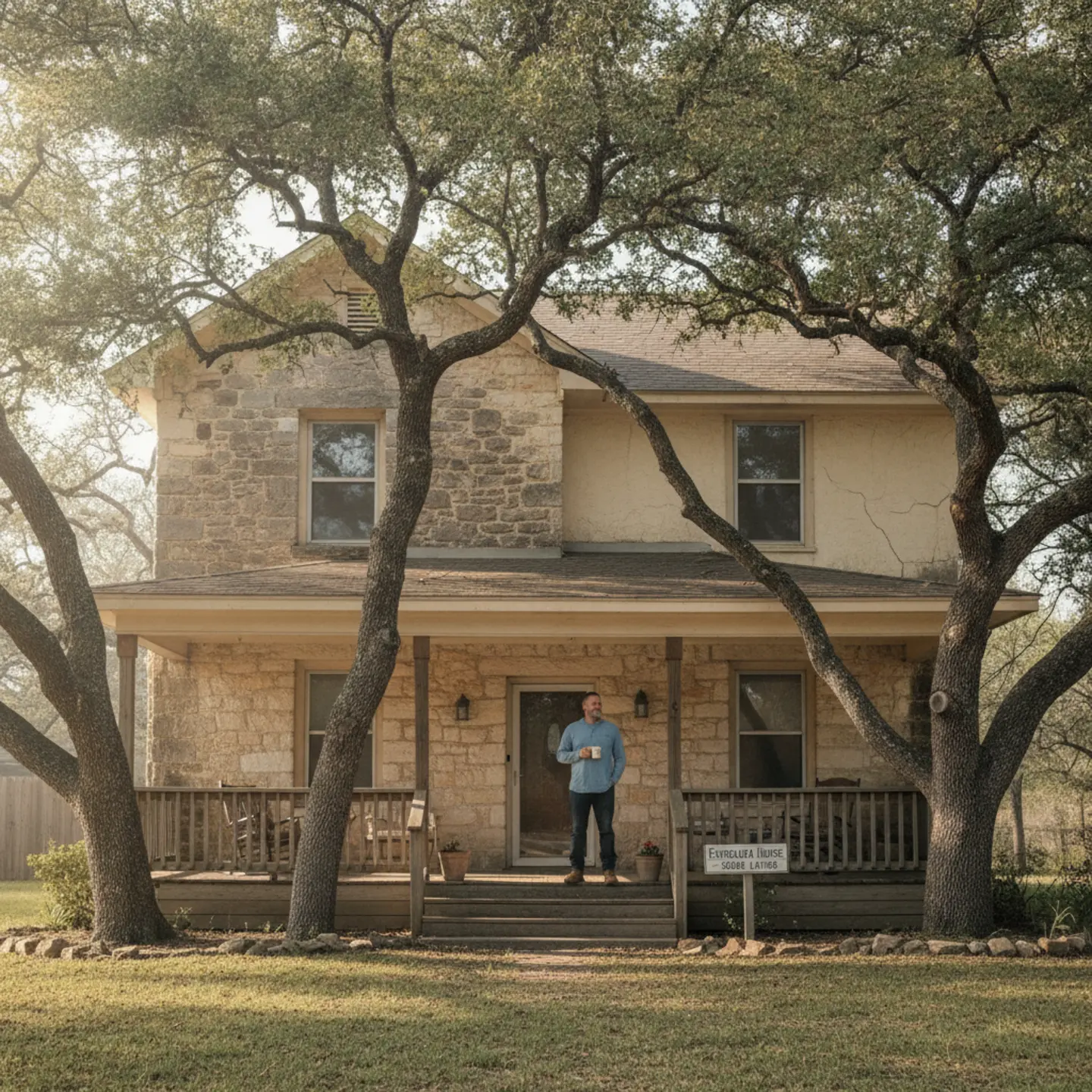
Drew’s Sober Living operates three structured men’s recovery homes — Chittim House in North San Antonio (10 beds), Evergreen House in Central San Antonio (8 beds), and Chapel Bend in New Braunfels (9 beds) — for a total of 27 beds across South Texas. Every house runs the identical program, and every resident is held to the identical standard: daily breathalyzer testing from day one, bi-weekly drug screening, a 30-hour weekly work requirement after probation, daily 12-step meeting attendance, and financial literacy training built into the program.
That combination — peer community, structured accountability, and employment engagement — maps directly onto what research identifies as the three strongest predictors of sustained recovery. It’s not coincidence. Drew built every house policy from his own recovery journey, on the principle that a month or two in treatment is rarely enough to prepare a man for the challenges of real life. Residents at Drew’s stay 3–12 months, aligning with clinical recommendations for optimal outcomes.
The results back it up. Drew’s Sober Living holds a perfect 5.0-star Google rating across 88 verified reviews, and 83% of past residents moved out of the program sober. Those numbers reflect what happens when accountability is real, the brotherhood is genuine, and men are given the time and structure they actually need. Families searching for a trustworthy aftercare partner in San Antonio or New Braunfels can find resources specifically for them at the Drew’s family resources page.
Schedule a call with Drew’s Sober Living today to discuss whether residential aftercare is right for your recovery journey.
Frequently Asked Questions
Is it safe to go straight home after rehab if it’s my first time in recovery?
For many men in first-time recovery, returning directly to their previous living situation meaningfully increases the risk of relapse. Research shows the first 90 days after treatment discharge are the highest-risk window — and if the home environment includes old triggers, people who use, or a lack of supportive structure, that risk compounds quickly. A structured aftercare environment like sober living provides a crucial buffer: time to build coping skills, a sober peer network, and daily recovery habits before facing old routines head-on. It’s not about distrust — it’s about giving yourself the best possible odds.
What’s the real difference in structure between intensive outpatient (IOP) and sober living?
IOPs provide clinical therapy and counseling — typically several hours per day, three to five days a week — while you live at home. Sober living provides a structured, substance-free residential environment with daily accountability measures: breathalyzer testing, drug screenings, curfews, work requirements, and a built-in peer community. The simplest way to put it is this: IOPs treat the clinical side of recovery; sober living addresses where and how you actually live. For men who need both, the two can work together — many residents attend IOP sessions during the day and return to a sober living home in the evenings.
Does insurance cover sober living in Texas, or do I have to pay out of pocket?
In Texas, sober living costs are generally not covered by health insurance — including Medicaid. Because sober living is classified as a housing expense and a recovery support service rather than clinical treatment, the fees are almost always paid privately. Some state grant programs through Texas DSHS may offer limited assistance for eligible individuals, typically on a needs-based basis with strict eligibility criteria. If cost is a barrier, it’s worth asking any sober living home you’re considering whether they offer payment plans or have knowledge of local assistance programs — and comparing that cost against the potential expense of re-entering residential treatment after a relapse.
How long should someone stay in sober living for the best chance at long-term recovery?
Research consistently shows a dose-response relationship between length of engagement in recovery support services and long-term sobriety outcomes — the longer the engagement, the better the results. Most experts recommend a minimum of 3 to 6 months in a structured sober living environment, with 12 months or more producing the strongest outcomes for men with more severe substance use histories. The goal isn’t to stay as long as possible — it’s to stay until stable employment, solid finances, a genuine sober support network, and demonstrated readiness for independent living are all in place. That looks different for every man.
What makes Drew’s Sober Living different from other sober living homes in San Antonio and New Braunfels?
Drew’s Sober Living stands out through its combination of daily-tested accountability, structured employment engagement, and a genuine brotherhood built by men in recovery — for men in recovery. Every resident is breathalyzed every single day, drug screened bi-weekly, and held to a 30-hour weekly work requirement after probation. Financial literacy training is built into the program — because a man can’t stay sober if he can’t pay rent. Founded in 2023 by Drew from his own recovery journey, Drew’s operates three homes with 27 beds across South Texas and holds a perfect 5.0-star Google rating across 88 verified reviews, with 83% of past residents moving out sober. That’s not a marketing claim — it’s a track record. Visit Drew’s Sober Living to learn more and start the conversation about your recovery path.
The decision to choose residential aftercare over going straight home is one of the hardest calls a man in early recovery will make. It means admitting that the environment matters — that willpower alone isn’t always enough, and that asking for more support isn’t weakness. It’s the opposite.
The bridge between treatment and real life isn’t just a concept. It’s a house with rules, a room with brothers who will notice if you don’t show up to breakfast, a work requirement that gets you out of bed with a reason, and a community that holds you accountable because they’ve been where you are. That’s what the research supports. That’s what the brotherhood looks like in practice.
You did the hardest part by getting into treatment. Don’t shortchange what comes next.
Ready to Find the Right Residential Aftercare in San Antonio or New Braunfels?
If you or someone you love is finishing treatment and weighing what comes next, Drew’s Sober Living is ready to have an honest conversation. No pressure, no pitch — just straight answers about whether residential aftercare is the right fit for your situation.
Drew’s Sober Living · Men’s Recovery Residences in San Antonio & New Braunfels, TX
Drew’s Sober Living is a structured sober living residence and does not provide clinical treatment, detox, or medical services. This article is for informational purposes only and does not constitute medical advice. Program availability, pricing, and admission requirements are subject to change, and recovery outcomes vary by individual. Please contact us directly for current information.