Key Takeaways
- Relapse rates in the first 90 days after inpatient rehab range from 40–60%, making the post-discharge window the highest-risk period in early recovery.
- Eight clinically identified behavioral warning signs — including isolation, mood swings, financial secrecy, and overconfidence — can signal that your spouse is heading toward relapse before it happens.
- Returning home directly after rehab often fails because the home environment contains the same triggers, social circles, and unstructured time that contributed to active addiction in the first place.
- Structured sober living addresses relapse risk through daily breathalyzer testing, drug testing every two weeks, encouraged 12 step meeting attendance, and a strongly encouraged 30 hour work week that builds real financial stability.
- Trust Drew’s Sober Living for daily-tested, accountability-based men’s recovery in San Antonio and New Braunfels — visit Drew’s Sober Living to learn how we bridge the gap between treatment and independent life.
What are the early warning signs your spouse needs sober living after rehab?
The first 90 days after inpatient rehab are the highest-risk window for relapse, and spouses are uniquely positioned to spot the warning signs. Clinical research identifies eight key behavioral red flags — from isolation and lack of structure to financial instability and overconfidence — that predict relapse risk. Recognizing these signs early and acting on them can mean the difference between sustained recovery and a costly relapse cycle.
Understanding what to watch for, and why sober living bridges the gap that returning home alone cannot, gives you the clarity and confidence to support your spouse’s long-term sobriety.
Drews Sober Living
Daily Breathalyzer Testing for Every Resident
Core Service Programs:
- Structured Sober Living Homes for men transitioning from treatment to independent, sober living
- Daily Accountability & Drug Testing for residents and families who need consistent, verifiable structure
- Life-Skills & Employment Readiness for men rebuilding work history, finances, and a sober support network
Why Choose Drews Sober Living:
- ✓ Trusted by customers with a perfect 5.0-star Google rating across 91 verified reviews
- ✓ Daily breathalyzer testing for every resident, plus drug testing every two weeks
- ✓ Four operating houses, 38 beds in San Antonio and New Braunfels, Divine House coming soon
- ✓ Live in house managers who are men in long term recovery themselves
- ✓ Founded in 2023 by Drew, who built every house policy from his own recovery
- ✓ 83% of residents who moved out of the community did so sober
- ✓ Strongly encouraged 30 hour work week plus financial literacy and life skills training
Why the First 90 Days Post-Discharge Are So Critical
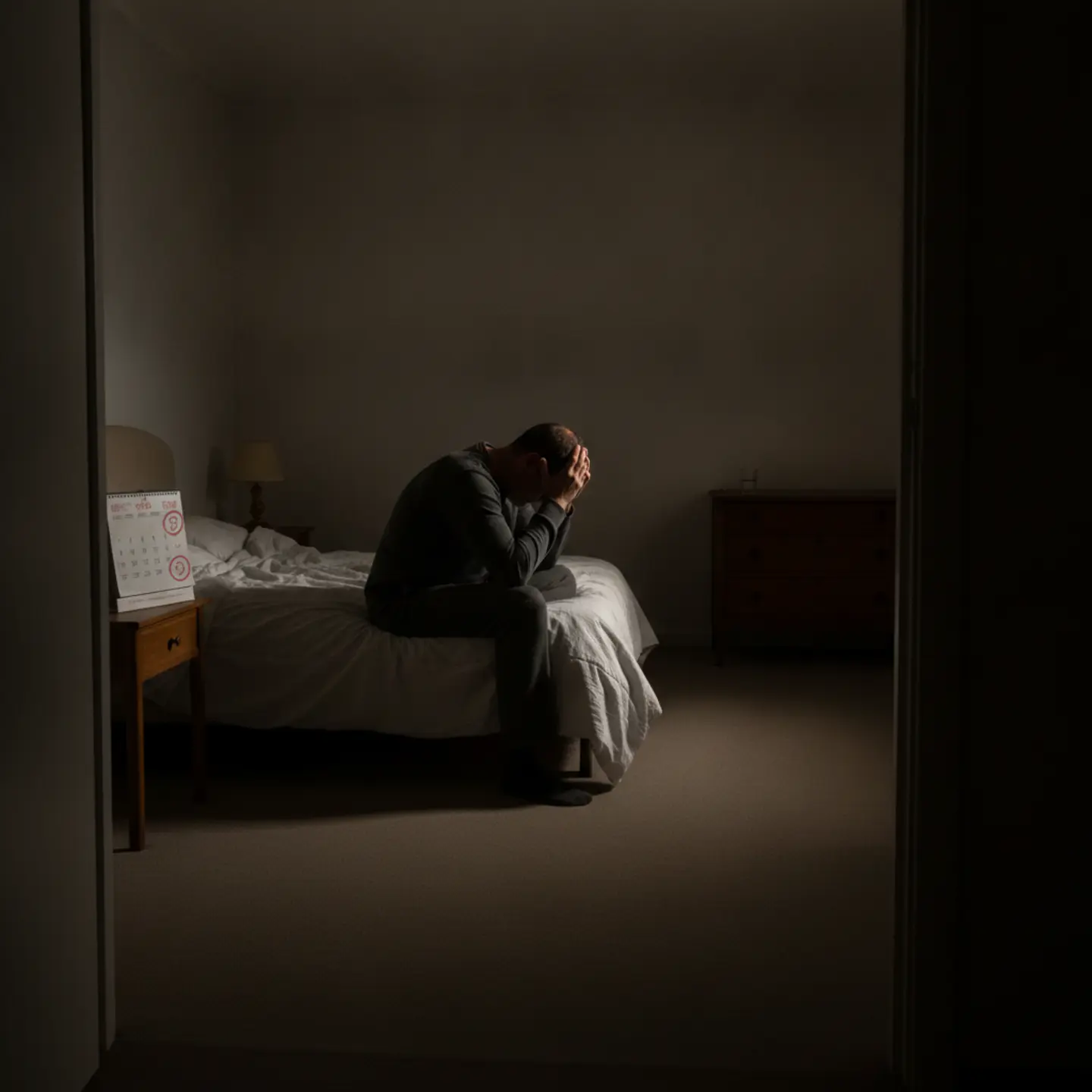
Most inpatient rehab stays in Texas last 14 to 28 days — enough time to stabilize and begin the work, but rarely enough time to build the coping skills that hold up against real-world pressure. The brain’s reward system is still actively healing after discharge, and the environmental triggers your spouse encounters at home — familiar faces, old routines, stress without a structured outlet — can overwhelm even genuine commitment. According to NIDA and SAMHSA data, relapse rates in the first 90 days post-discharge range from 40% to 60% for many substance use disorders. That’s not a scare statistic. It’s the clinical reality that makes the transition period the most important stretch of early recovery.
The “transition gap” — the space between leaving treatment and establishing stable, independent sober life — is where most relapse occurs. Sober living exists specifically to close that gap. But before you can advocate for it, you need to know what to watch for when your spouse comes home.
You’re Not Alone in This Fear
Spouses often feel torn between wanting their loved one home and fearing relapse. This tension is real and valid. Recognizing warning signs is not about distrust — it’s about informed, protective love.
The 8 Clinical Warning Signs Your Spouse May Be Heading Toward Relapse
Clinicians and addiction counselors consistently identify eight behavioral patterns that predict relapse risk in early recovery. Spouses are often the first to notice these shifts — sometimes before the person in recovery is even aware of them. Here’s what to look for.
Sign 1: Increased Isolation and Withdrawal from Recovery Activities
Skipping 12-step meetings without explanation, avoiding sober friends, spending excessive time alone in the bedroom — these aren’t just bad moods. Isolation is consistently ranked as one of the strongest predictors of relapse. Recovery requires community. When your spouse starts pulling away from the people and practices that support his sobriety, that withdrawal is a signal worth taking seriously.
Sign 2: Changes in Routine and Sleep Patterns
Staying up until 3 AM, sleeping until noon, neglecting hygiene, abandoning the structured daily schedule he had in treatment — these are signs that the external accountability of rehab has worn off without being replaced by internal structure. Unstructured time is one of the most reliable triggers in early recovery. Boredom isn’t harmless; it’s dangerous.
Sign 3: Return to Old Behaviors and Social Circles
Reconnecting with friends from his using days, making excuses to visit old neighborhoods, secretive phone calls or internet activity — these are direct exposures to the people, places, and things most associated with active addiction. This isn’t about distrust; it’s about neuroscience. Those associations are deeply encoded, and proximity to them dramatically increases relapse risk.
Sign 4: Negative Emotions and Mood Swings
Unexplained irritability, sudden anger, increased anxiety, or a general emotional volatility that wasn’t there during treatment — these are signs of emotional dysregulation, which is one of the primary drivers of relapse. When your spouse can’t manage everyday stress without becoming defensive or volatile, that’s the brain signaling that its coping mechanisms aren’t holding.
Sign 5: Minimizing or Rationalizing Past Substance Use
Statements like “It wasn’t that bad” or “I had it under control” or “I could probably just have one now” are what clinicians call “addict thinking” — a cognitive drift back toward the belief system that enabled active addiction. Romanticizing past use is a warning sign that the internal commitment to sobriety is softening. It almost always precedes behavioral relapse.
Sign 6: Neglecting Responsibilities
Missing work, failing to contribute to household duties, avoiding conversations about money or daily activities — responsibility avoidance is both a symptom and a driver of relapse. When a man in early recovery stops showing up for his obligations, he’s often also stopping showing up for his recovery. The two tend to move together.
Sign 7: Overconfidence and Complacency
This one catches a lot of families off guard because it doesn’t look like a warning sign. Your spouse seems confident, even optimistic. But when that confidence translates into “I’m cured, I don’t need meetings anymore, I can handle this on my own” — that’s complacency, and it’s one of the most dangerous places in early recovery. The disease of addiction exploits the moment a person stops taking it seriously.
Sign 8: Financial Instability and Unexplained Money Issues
Frequent requests for cash without clear explanation, unexplained transactions, avoidance of any conversation about finances — financial instability is both a relapse warning sign and a practical barrier to sustained recovery. A man who can’t manage money responsibly is a man under chronic stress, and chronic stress without healthy outlets is a direct path back to substance use.
You know your spouse better than any checklist does. If your gut is telling you something is off — that the person who came home from rehab isn’t quite the same person who was making progress in treatment — trust that instinct. You’re not being paranoid. You’re paying attention. And paying attention right now might be the most important thing you can do.
These eight signs aren’t a diagnosis. They’re data points. And data points give you something to act on instead of just worry about.
Why Returning Home Alone Often Fails (And Why Sober Living Works)
Home is where your spouse wants to be. That’s completely understandable. But for men in early recovery, the home environment often contains the exact conditions that made active addiction possible: familiar triggers, unstructured time, financial stress, and family members who love him but don’t have the tools — or the emotional distance — to hold consistent accountability.
Research from Jason et al. and multiple Journal of Substance Abuse Treatment reviews consistently shows that men who transition directly into structured sober living post-discharge have significantly lower relapse rates, higher employment rates, and better long-term psychosocial outcomes than those who return home without structured support. The data isn’t close. The difference is substantial.
The ‘Promise to Be Good’ Trap
Heartfelt promises to stay sober at home are often made with genuine intention but fail because willpower alone is insufficient in early recovery. The brain’s reward system is still healing, and environmental triggers can overwhelm even the strongest commitment. A promise is not a program.
Sober living provides what a family home cannot: a peer community of men who understand the struggle from the inside, daily objective verification of sobriety, clear consequences for rule violations, and a structured daily schedule that eliminates the unstructured time where relapse breeds. It’s not a replacement for your relationship — it’s a bridge that makes your relationship sustainable.
What Sober Living Provides That Home Cannot
The structural elements of quality sober living directly address the eight warning signs outlined above. This isn’t coincidence — it’s design. Here’s what that structure looks like in practice.
Daily breathalyzer testing and drug testing every two weeks provide the objective verification that you simply cannot replicate at home — and that your spouse cannot manipulate. A structured daily schedule, including an up-by-10-AM rule on weekdays and encouraged 12 step meeting attendance, eliminates the unstructured time that feeds boredom and relapse risk. A strongly encouraged 30 hour work week directly counters financial instability — one of the eight warning signs — while building the employment history and self-sufficiency that make independent life possible.
Beyond the rules, sober living provides something equally important: brotherhood. A house full of men who are doing the same work, who will notice when someone is slipping and say something, who understand the struggle without needing it explained. That peer accountability is something a family — no matter how loving — cannot replicate. You can read more about how sober living supports families on the Drew’s resources page.
Not Sure If Sober Living Is the Right Next Step?
You don’t have to figure this out alone at 2 AM. Drew’s team works directly with families to answer questions, explain the program, and help you understand what your spouse’s transition could look like. No pressure — just a real conversation.
How to Talk to Your Spouse About Sober Living (If He’s Resistant)
Resistance is normal. Your spouse just spent weeks in treatment and wants to come home. Hearing that you think he needs more structure can feel like a vote of no-confidence. How you frame this conversation matters enormously.
Start by framing sober living as a bridge, not a punishment. “I want you home. I also want you home for good — not for three weeks and then back in crisis.” Lean on the data: men who stay in structured sober living for three to six months have significantly better long-term outcomes than those who return home immediately. That’s not an opinion — it’s what the research consistently shows.
Focus on his goals, not your fears. Ask him what he needs to feel confident about staying sober at home — and then honestly assess whether that environment exists yet. Avoid ultimatums where possible; instead, set clear boundaries about what you can and cannot support. And if he’s open to it, suggest a tour or a conversation with a sober living operator. Seeing the actual environment — real men living real lives in recovery — often shifts the conversation from resistance to relief. You can explore Drew’s three recovery homes to get a sense of what that environment looks like.
Reframe Sober Living as a Gift, Not a Punishment
When discussing sober living with your spouse, emphasize that you’re choosing structure and brotherhood to protect his recovery — not because you don’t trust him. A tour of a sober living home often shifts perspective from resistance to relief.
Remind him that sober living is temporary. The goal is independence — a stable job, a sober support network, financial footing, and the confidence to handle life without substances. Sober living is the runway, not the destination.
Why Drew’s Sober Living Is the Right Choice for San Antonio and New Braunfels Families
Drew’s Sober Living has four operating houses, 38 beds across San Antonio and New Braunfels — Chittim House in North San Antonio, Evergreen House in Central San Antonio, and Chapel Bend in New Braunfels — with 27 total beds and one consistent program across all three locations. Founded in 2023 by Drew, who built every house policy from his own recovery experience, DSL isn’t a corporate program. It’s a program built by someone who lived it.
The accountability structure at Drew’s directly addresses the warning signs outlined in this post. Daily breathalyzer testing and drug testing every two weeks provide the objective sobriety verification that families cannot replicate at home. A strongly encouraged 30 hour work week counters financial instability — warning sign #8 — while building the employment history and independence that make long-term sobriety sustainable. Mandatory 12-step meeting attendance counters isolation. A structured daily schedule counters the unstructured time that breeds relapse. The brotherhood of men living in recovery together provides the peer accountability that no family member, no matter how devoted, can substitute for.
The results speak clearly: a perfect 5.0-star Google rating across 91 verified reviews, and 83% of past residents who moved out of the program did so sober. Those numbers reflect what happens when structure, accountability, and genuine brotherhood work together over the months it actually takes to build a foundation for independent life. For families navigating this decision, the admissions process at Drew’s is straightforward, with decisions made within 24 hours of application.
Contact Drew’s Sober Living today to discuss how we can support your spouse’s recovery and give you both a real path forward.
Frequently Asked Questions
How do I know if my spouse is lying about being sober if he’s at home?
Look for inconsistencies in his stories, unexplained absences, changes in financial habits, or a return to old patterns of isolation and defensiveness. These behavioral shifts often precede or accompany active substance use. The honest answer is that objective verification at home is nearly impossible — which is exactly why structured sober living environments like Drew’s use daily breathalyzer testing and drug testing every two weeks. That level of consistent, third-party accountability removes the guesswork and the burden from you entirely.
What does early relapse look like if he’s hiding it?
Early relapse rarely announces itself. Before active substance use resumes, you’ll typically see behavioral precursors: increased irritability, excuses to avoid recovery meetings, withdrawal from family interactions, sudden mood swings, or a return to secretive behavior. You might notice changes in hygiene or sleep, or hear “addict thinking” — minimizing past use, blaming others, expressing overconfidence about his ability to handle triggers. Sober living is designed to catch and address these precursors in a structured environment before they escalate into full relapse.
Is it enabling to let him come home instead of going to sober living?
For many men in early recovery, returning directly to the home environment — especially if it was a place of active addiction, or if family dynamics have historically involved enabling — can inadvertently hinder long-term sobriety. Clinicians define enabling as actions that protect someone from the natural consequences of their behavior, which allows the addiction to continue. Choosing a structured sober living environment can be an act of tough love: providing the boundaries and accountability that genuine recovery requires, rather than the comfort that active addiction exploits.
How long do most men need sober living before they can live independently?
Research consistently shows a dose-response relationship: longer stays correlate with significantly better outcomes. Most clinicians recommend a minimum of three to six months, with some individuals benefiting from nine to twelve months or more. This extended period allows for consolidation of recovery skills, development of healthy coping mechanisms, and establishment of stable employment and a sober support network — the three pillars that make independent life sustainable. Men who leave sober living too early, before those pillars are in place, face substantially higher relapse risk.
What makes Drew’s Sober Living different from other recovery options?
Drew’s Sober Living is a structured men’s recovery residence — not a rehab or treatment center — founded by Drew from his own recovery experience, with every house policy built from lived understanding of what early recovery actually requires. The program includes daily breathalyzer testing, drug testing every two weeks, a strongly encouraged 30 hour work week, encouraged 12 step meeting attendance, and financial literacy training across three homes in San Antonio and New Braunfels. With a perfect 5.0-star Google rating across 91 verified reviews and 83% of past residents moving out sober, the results are documented and real. Ready to learn more? Contact Drew’s Sober Living today to discuss your spouse’s recovery and what the right next step looks like for your family.
The spouses who reach out to Drew’s are often exhausted. They’ve been through the fear of active addiction, the relief of treatment, and now the uncertainty of what comes next. They want their husband home. They also want their husband sober — for real, this time, in a way that holds.
What they find when they call is that the conversation isn’t about convincing them of anything. It’s about giving them the information they need to make a confident decision. The eight warning signs in this post aren’t meant to frighten you. They’re meant to give you language for what you may already be sensing — and a clear path to act on it before the situation becomes a crisis.
The bridge between treatment and independent life is real. So is the brotherhood waiting on the other side of it.
Ready to Give Your Spouse the Structure He Needs to Stay Sober?
You’ve done the hard work of getting him into treatment. The next step — sober living — is how you protect that investment. Drew’s team is ready to answer your questions, walk you through the program, and help you figure out if we’re the right fit for your family.
Three homes. 27 beds. Daily testing. Real brotherhood. San Antonio and New Braunfels, Texas.
Drew’s Sober Living · Men’s Recovery Residences in San Antonio & New Braunfels, TX
Drew’s Sober Living is a structured sober living residence and does not provide clinical treatment, detox, or medical services. This article is for informational purposes only and does not constitute medical advice. Program availability, pricing, and admission requirements are subject to change, and recovery outcomes vary by individual. Please contact us directly for current information.