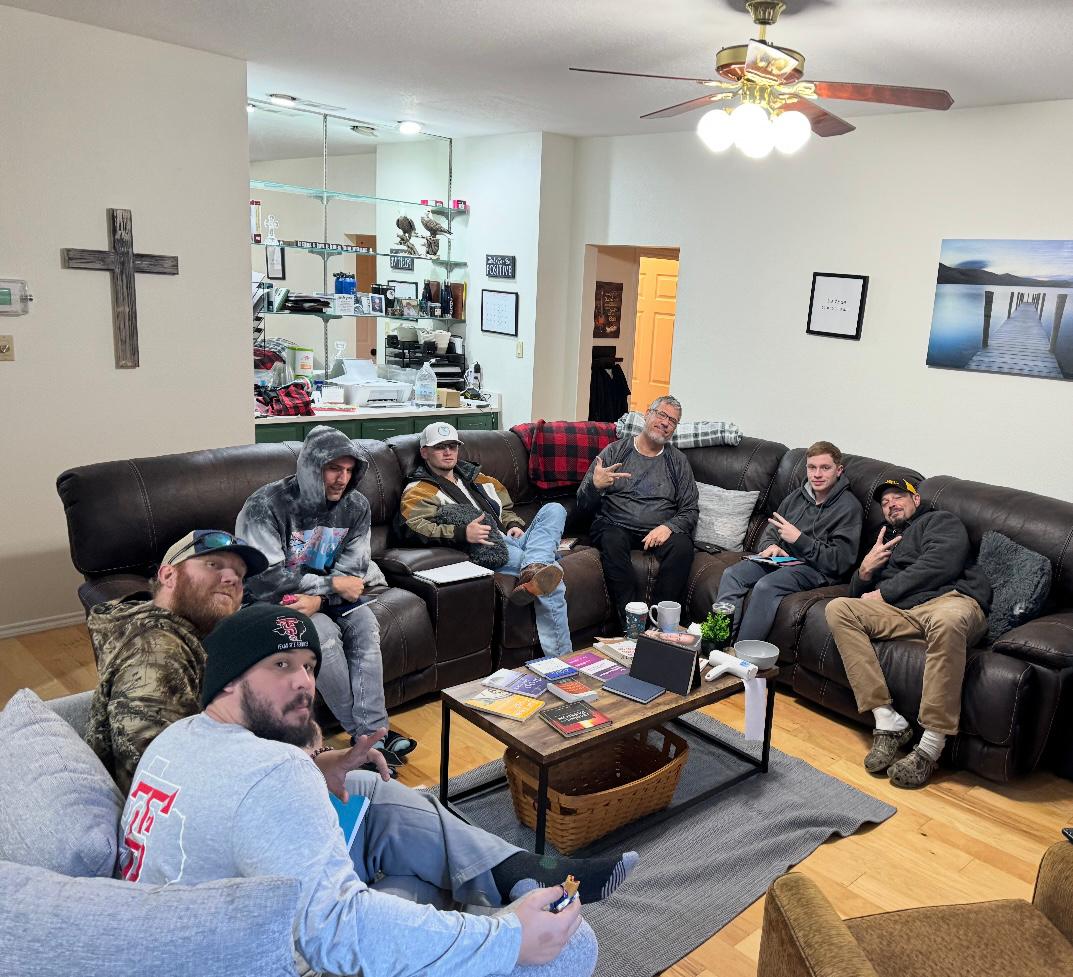
Choosing sober living in Texas for a son, spouse, or brother requires verifying specific accountability measures, not reading marketing language. Texas does not mandate state certification for all recovery residences. Quality ranges from fully structured daily accountability programs to houses that collect rent with a sobriety expectation and little else. The difference comes down to specifics: how often testing happens, who administers it, what the consequences are, whether house managers live on-site, and whether the program publishes its results. Families who ask the right questions before committing protect their loved one from the wrong environment.
Sober living is a structured recovery residence, not clinical treatment. It does not provide therapy, medical supervision, or detox services.
How to Evaluate Drug and Alcohol Testing Before Choosing a Program
Testing is the single most important accountability measure in any sober living program. Every sober living website in Texas says “drug tested.” That phrase means nothing without specifics.
Four Questions Every Family Should Ask About Testing
How often does testing happen? Daily breathalyzer testing catches alcohol use within hours. Weekly testing misses six days. Monthly testing misses 29. “Random” testing without a published frequency often means inconsistent enforcement that residents learn to predict.
What type of testing? Breathalyzer and urine-based drug screening serve different purposes. Breathalyzer detects same-day alcohol use. Drug screening catches substance use over a wider window. A strong program runs both on separate, consistent schedules.
Who administers it? A live-in house manager who sees residents every morning, or a visiting technician who shows up periodically? The answer changes everything about how seriously accountability is enforced between tests.
What happens on a positive or refused result? Immediate discharge protects every resident in the house. Programs that offer warnings or second chances on failed tests sound compassionate , but they expose sober residents to active substance use under the same roof. Ask directly: what is the consequence, and is it enforced the same way every single time?
A program that answers all four questions with specific numbers, frequencies, and consequences is showing you how it actually operates. A program that answers with “we test regularly” is not answering at all.
Drew’s enforces daily breathalyzer testing and drug testing every two weeks at every property. Any positive or refused result means immediate discharge in accordance with house policy.
How to Verify House Management and Daily Supervision
“On-site management” is another phrase that means different things at different programs. It can mean a house manager who lives in the house full-time and sees residents daily. It can also mean someone who visits a few times per week and is otherwise unavailable.
What to Ask About the House Manager
- Does the house manager live in the house full-time?
- What is his personal background in recovery?
- Is he the same person who administers testing every morning?
- Does he conduct daily accountability check-ins with each resident?
A live-in manager who has lived through recovery himself understands accountability at a level that a visiting property manager does not. He enforces curfew personally. He administers morning testing. He notices when a resident’s behavior changes before a test confirms it.
If a program tells you management is “available” or “on call,” ask what that means between the hours of 6 AM and 10 PM on a Tuesday. The answer matters.
Every Drew’s house has a live-in house manager who is a man in long-term recovery. He resides on-site, administers all testing, and conducts daily check-ins at every property.
What Outcome Data to Ask For and Why Most Programs Do Not Publish It
Testimonials are not outcome data. Families should ask for specific, verifiable numbers:
Five Data Points Every Program Should Be Willing to Share
- How many residents has the program served since opening?
- What percentage of residents moved out sober?
- What is the average length of stay?
- How many Google reviews does the program have, and what is the average rating?
- How long has the program been operating?
Most sober living programs do not publish this information. That absence tells families something. A program that tracks outcomes and shares them openly is demonstrating a level of transparency that programs without data cannot match. Ask every program on your list these five questions and compare who answers with numbers versus who answers with stories.
Drew’s has served 127 men since 2023. 83% of residents who moved out did so sober. 74 Google reviews with a 5.0 average rating. Average stay: 8 months.
How to Compare Program Structure Beyond Curfew and Chores
Curfew and chores are baseline expectations. They indicate a house with basic rules, not a program designed to build independent living skills.
What a Fully Structured Program Includes
Ask what residents are required to do beyond staying sober and keeping the house clean:
Work requirement. Does the program mandate a minimum number of work hours per week? Employment or vocational training builds financial stability, daily routine, and purpose. A man who spends months in sober living without working leaves with sobriety but not much else.
Daily meeting attendance. Is 12-step or recovery meeting participation mandatory and tracked, or suggested and self-reported? The difference between mandatory and suggested is the difference between accountability and hope.
Financial literacy training. Does the program teach budgeting, saving, and credit rebuilding? Many men entering sober living have no financial foundation. Programs that address this produce men who transition to independent living with savings and financial habits , not men who are sober but unable to sign a lease.
Sponsor engagement. Does the house manager track whether residents have and meet with a sponsor? Active sponsor engagement is one of the strongest predictors of sustained recovery.
Drew’s requires 30 hours of weekly work, daily 12-step meetings, and financial literacy training as core program pillars, alongside daily breathalyzer testing and drug testing every two weeks.
What Pricing Transparency Tells You About a Program
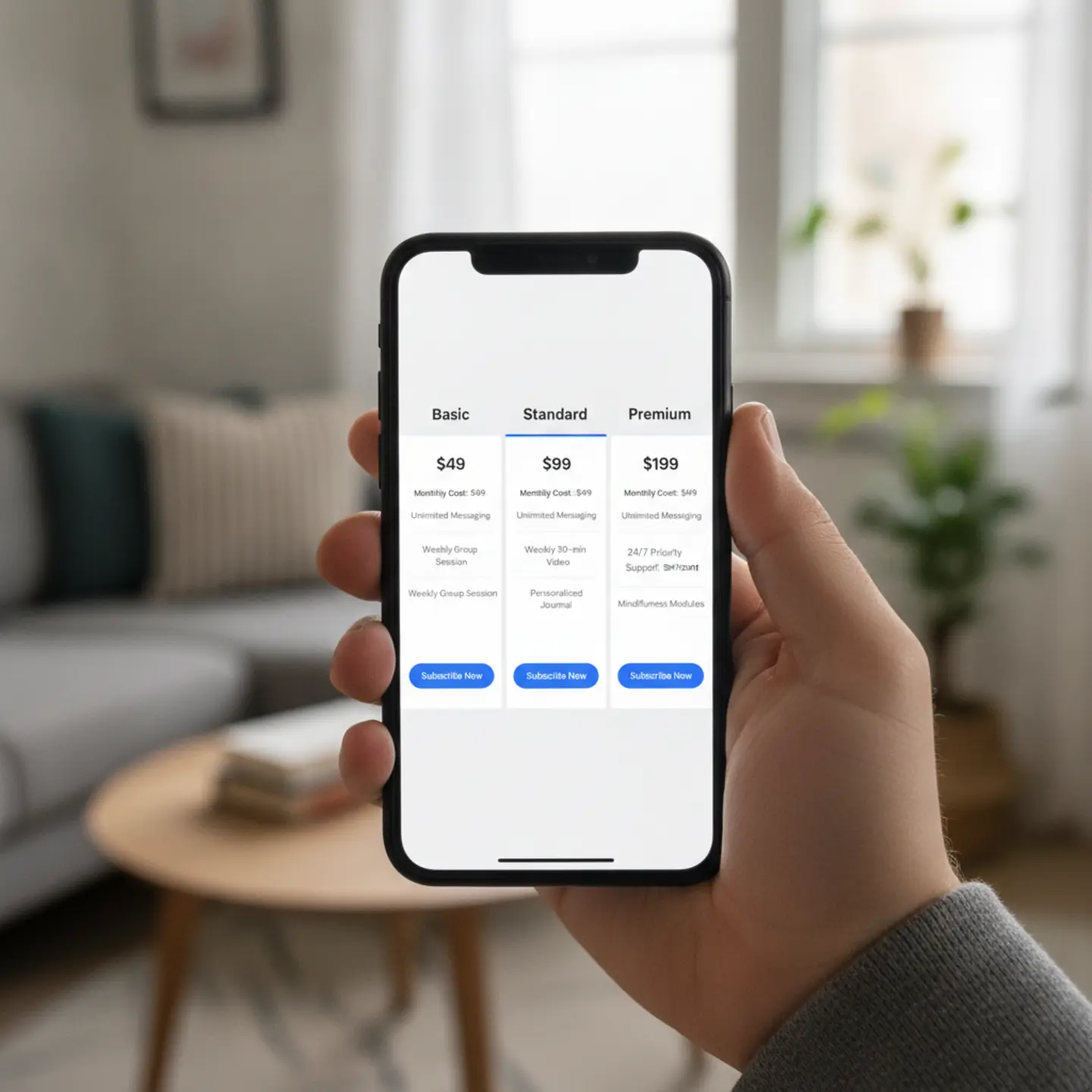
Sober living in Texas typically ranges from $150 to $275 per week for standard structured programs. The number matters less than how a program presents it.
What Transparent Pricing Looks Like
Programs that publish pricing by room type on their website, including move-in costs, what is included, and whether the initial fee is a deposit or flat cost, are being straightforward. Programs that say “call for pricing” may have a reason for keeping that information private.
Ask what is included: furnished rooms, kitchen access, laundry, utilities. Ask what is not: food, personal expenses, transportation. Ask whether the move-in payment is refundable. Families in online forums report houses that increase fees after move-in or request food stamps from residents. Clarify every cost in writing before committing.
Drew’s publishes four pricing tiers from $200 to $275 per week by room type. Move-in requires two weeks upfront plus a $100 fee. The fee is not a deposit.
Red Flags That Should Remove a Program From Your List
Families should immediately stop considering any program where:
- Testing frequency is described as “regular” without specifying daily, weekly, or monthly
- House managers do not live on-site full-time
- No discharge policy exists for failed or refused tests
- Outcome data is unavailable or described in vague terms
- Pricing is not published and requires a phone call to learn
- No admissions screening or background review is conducted
- Residents have no daily structure, no work requirement, no mandatory meetings, and no scheduled accountability
A program that publishes its testing frequency, pricing, daily schedule, and outcome data has nothing to hide. A program that keeps those details vague has a reason.
What Accreditation Means in Texas
The Texas Recovery Oriented Housing Network (TROHN), part of the National Alliance for Recovery Residences (NARR), offers voluntary certification verifying standards in safety, ethics, and resident rights. Certification is a positive signal when evaluating programs.
Certification alone does not guarantee daily testing, live-in management, published outcomes, or a specific program structure. Families should verify those measures directly with any program, certified or not. Accreditation tells you a house meets baseline standards. The questions above tell you whether daily accountability is actually enforced.
Frequently Asked Questions About Choosing Sober Living in Texas
Q: Do sober living homes need to be licensed in Texas?
Texas does not mandate state licensing for all recovery residences. Voluntary certification through TROHN exists and indicates verified safety and ethics standards. Families should treat certification as a positive signal and verify daily accountability measures directly, regardless of certification status.
Q: What is the success rate of sober living?
Success rates vary widely, and most programs do not publish them. Ask for specific numbers: residents served, sober move-out percentage, average length of stay, and verified Google reviews. Programs that track and share this data demonstrate accountability that programs without published results do not.
Q: How long should someone stay in sober living?
Programs with the strongest outcomes see average stays between 6 and 12 months. Fixed timelines that push residents out after 90 days may not allow enough time to build stable employment, financial habits, and a sober support network. Programs that transition residents based on demonstrated readiness, not a calendar, produce stronger long-term results.
Q: What is the difference between sober living and a halfway house?
Halfway houses are sometimes government-funded and may be connected to the criminal justice system with specific residency requirements. Sober living homes are typically privately operated, accept residents voluntarily, and vary in structure. The label matters less than the specific testing, management, and program accountability a particular house enforces.
Q: Can a sober living home remove someone without notice?
Programs with zero-tolerance testing policies discharge residents immediately upon a positive or refused test. This protects other residents from living alongside active substance use. Families should understand the discharge policy before move-in so there are no surprises. Most programs allow former residents to reapply after a waiting period.
Q: Should I choose a sober living home near our home or far away?
Distance from the environment where addiction occurred is generally beneficial. Familiar neighborhoods, old social circles, and proximity to former triggers create risk during early recovery. A new location that requires building new routines and relationships supports the transition more effectively.
Q: Does insurance cover sober living in Texas?
Sober living is generally not covered by insurance because it is structured housing, not clinical treatment. Families should budget for weekly rent, move-in costs, and personal expenses. Ask any program directly about total costs and payment expectations before committing.
Q: What should I look for when touring a sober living home?
Physical condition matters, clean, furnished, well-maintained. Beyond appearance, ask to see the posted daily schedule. Ask the house manager about testing frequency and listen for specifics versus generalities. Ask how many residents live there versus the total bed capacity. Ask about the discharge policy and whether it has been enforced. The answers you hear in person reveal more than anything on a website.
Q: Can my loved one continue outpatient therapy while in sober living?
Yes. Sober living is not treatment. Many residents maintain outside therapy, intensive outpatient programs, or psychiatric care during their stay. A structured program accommodates clinical appointments within the daily schedule. Families should confirm this with any program before move-in.
Q: How do I verify a sober living home is legitimate?
Ask five questions: (1) How often do you test, and what type? (2) Does the house manager live on-site? (3) How many residents served, and what is your sober move-out rate? (4) What is your published pricing? (5) What happens on a failed test? A legitimate program answers all five with specific numbers and policies. A program that deflects or generalizes is giving you an answer, but it is not the one you want.
The right sober living program answers every question on this page with specifics if the program you are considering does not, keep looking.